South Moravian Wine: Regions, Grapes And Cellar Visits From Brno
Brno sits at the northern gate of the Czech Republic's wine country. Mikulov, Pálava and the Lednice-Valtice landscape all lie within about 46 km of the city centre, and this guide sets out the distances, the seasons and the costs that are actually on record.
Short answer
Confirm grape variety names, producer lists and tasting prices with each cellar.
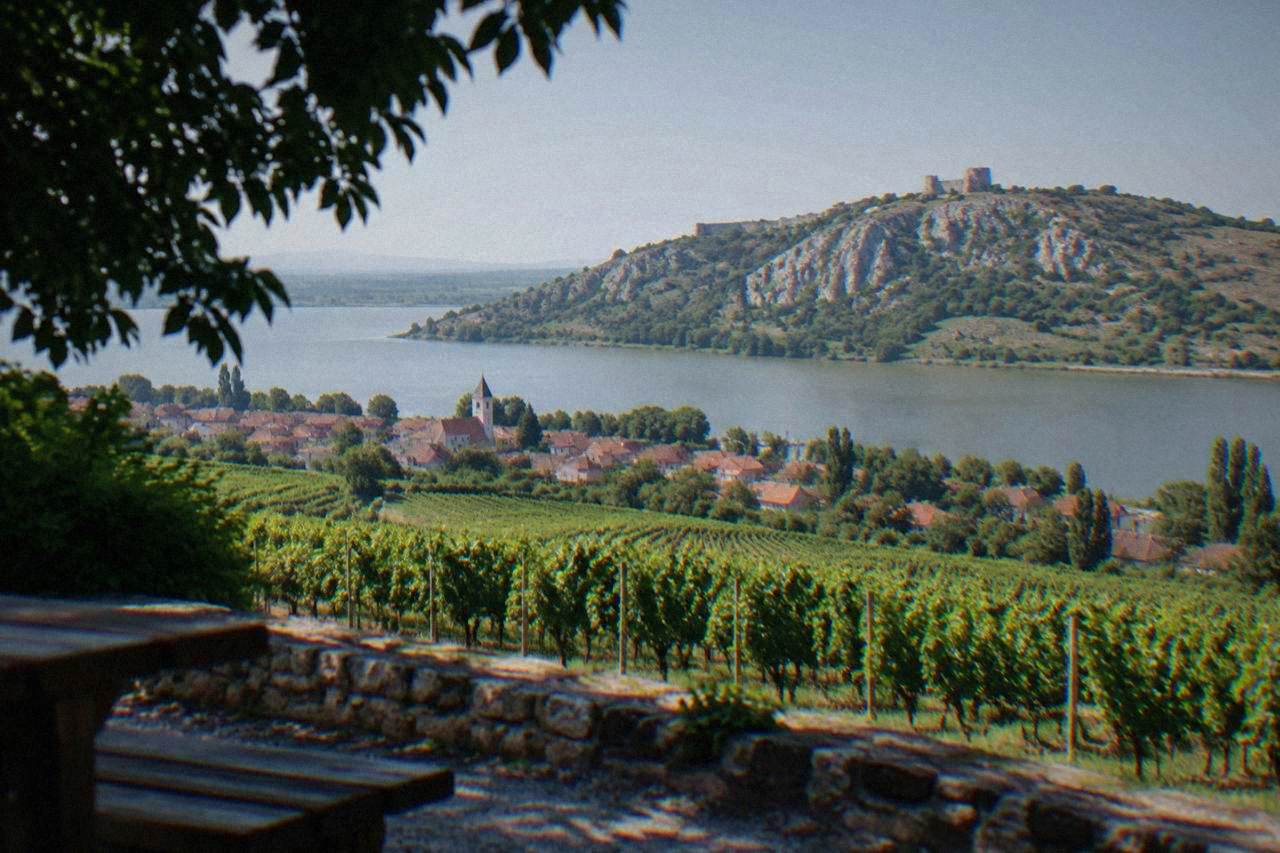
Brno is the natural base for South Moravian wine country. The city stands in South Moravia, Czechia, an inland city of 404,296 permanent residents at the end of 2025, and the vineyard belt begins south of it: Mikulov and the Pálava hills about 43 km from the centre in a straight line, the UNESCO-listed Lednice-Valtice landscape about 46 km, Znojmo about 56 km. The region grows wine, pours it in cellars carved into its hills, and celebrates it with festivals that fill Brno's own squares each autumn. What this page does is set out what is actually on record: the distances, the one castle price list, the season dates and the ways of getting from Brno to the vines without a car.
One honest limit up front, stated plainly and once: the sources this site relies on do not carry grape variety lists, producer names, vintages or tasting prices for the region. Those change cellar by cellar and year by year, so each one is confirmed with the producer or at the cellar door. Everything below is what can be planned in advance with confidence.
What And Where Is The South Moravian Wine Region?
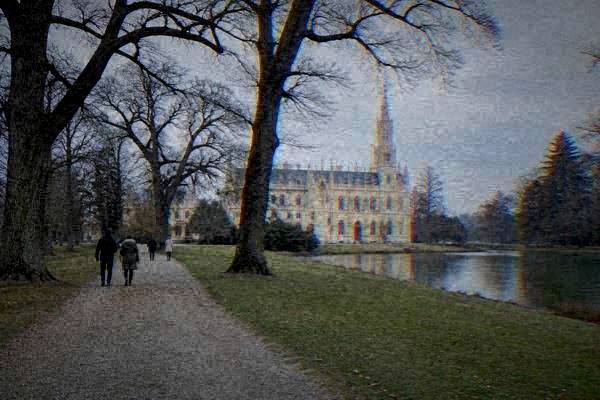
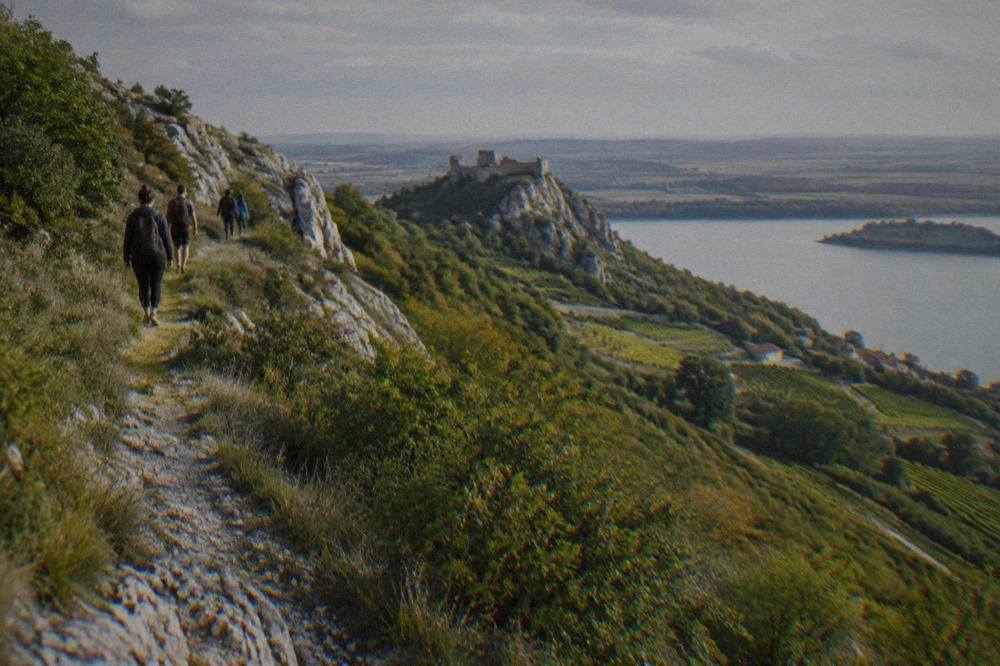
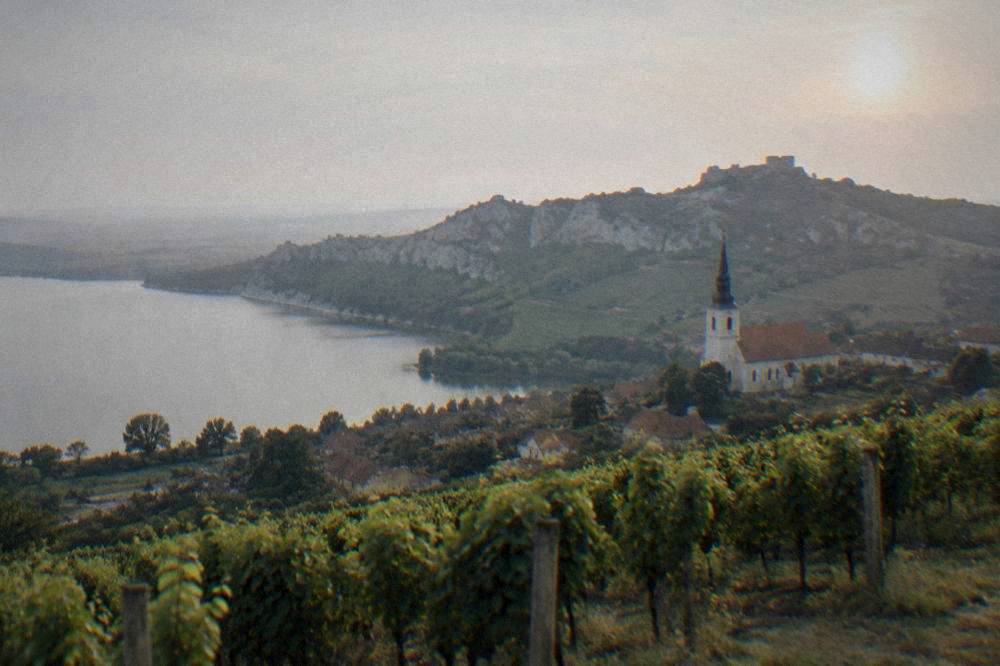
The South Moravian wine region is the vineyard belt stretching south and southeast of Brno, anchored by Mikulov under the Pálava hills, the Lednice-Valtice Cultural Landscape and Znojmo, all within about 56 km of the city centre in a straight line. Pálava is a protected landscape area, and Lednice-Valtice carries UNESCO World Heritage status alongside a free-to-enter park. Brno itself is the region's city and the practical starting point for every trip.
Moravia is a historic region of Czechia, not of Slovakia, and Brno served as the main capital of Moravia from 1641. The wine country is its southern fringe, where the land rolls toward the Austrian border. The Pálava hills sit about 36 km from Brno in a straight line, Mikulov about 43 km, Lednice-Valtice about 46 km, and Znojmo, on the Dyje river, about 56 km. None of these figures is a driving distance; they are straight-line measurements, and road journeys run longer.
The region is small enough that a single overnight in Mikulov or Lednice puts several cellars, walking trails and two UNESCO registers within a short radius. Pálava is a protected landscape area in its own right, and hiking its trails is free. The Lednice-Valtice Cultural Landscape, inscribed by UNESCO, covers 143 km2 of designed parkland, chateaus and ponds. For a sense of what pours into the glass, the site's companion explainer on what kind of wine is produced in Moravia covers the general picture.
Which Wine Towns Can You Reach From Brno On A Day Trip?
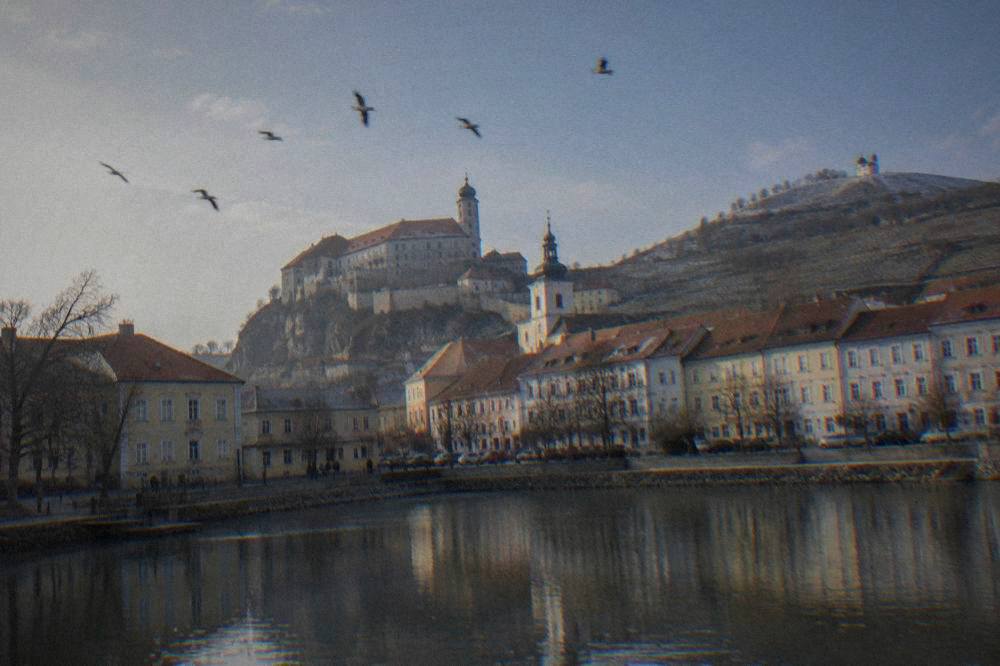
The five wine-country destinations that work as day trips from Brno are Mikulov, about 43 km away in a straight line, the Pálava hills about 36 km, Lednice-Valtice about 46 km, Znojmo about 56 km and, for a castle-plus-vines combination, Pernštejn about 35 km. Trains and buses reach Mikulov in about 45 to 60 minutes and Znojmo in about 45 to 60 minutes as well, per the timetables this site's sources summarise.
The table below gives the straight-line distances from the centre of Brno, computed rather than measured on the road. Journey times are separate and are given only where the sources carry them for that exact route.
| Destination | Straight-line distance from Brno | What it offers | Journey time on record |
|---|---|---|---|
| Pálava hills | about 36 km | Protected landscape, free hiking trails | not stated in sources |
| Pernštejn Castle | about 35 km | Gothic castle, seasonal opening | not stated in sources |
| Mikulov | about 43 km | Castle town under Pálava, wine cellars | about 45 to 60 min (R) |
| Lednice-Valtice | about 46 km | UNESCO landscape, chateau, park | about 45 to 60 min by bus or train (R) |
| Znojmo | about 56 km | Town on the Dyje, wine tradition | about 45 to 60 min (R) |
Mikulov is the name that recurs in every discussion of Moravian wine: a small town under a rock castle, with the Pálava ridge rising behind it. The castle's entry prices are not among the figures this site's sources verify, so those are checked at the castle's own ticket page before a visit. Lednice pairs the vines with grandeur: the chateau price list appears in full further down this page, and the park around it costs nothing.
Znojmo adds a second wine axis to the southwest, and Pernštejn, while not a wine destination, is close enough to combine with a day south if castles matter more than cellars on a given trip. Its basic tour costs 260 CZK adult, 210 seniors and youth, 80 for children 6 to 17, and it keeps seasonal hours, weekend-only in autumn, so its opening calendar is checked before travelling. The Pernštejn day trip guide covers that in detail.
For travellers who would rather not drive, guided options exist. A wine-focused day trip handles the cellar stops and the route:
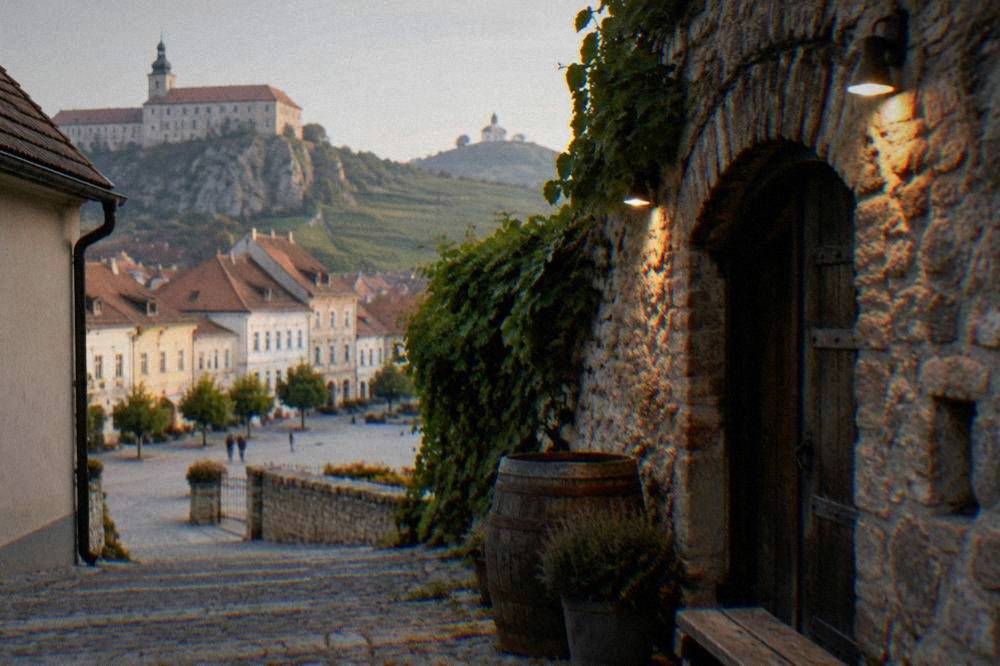
How Do You Get From Brno To The Wine Country Without A Car?
Trains and buses run from Brno to Mikulov in about 45 to 60 minutes and to Znojmo in about the same, per the timetable summaries this site's sources report, and RegioJet and FlixBus both serve the wider region from Brno. Inside Brno itself, a 60-minute public transport ticket costs 25 CZK and the 24-hour Brno ticket 90 CZK, covering the tram and bus rides to the main station.
Brno hlavní nádraží is the hub for all of it. Southbound regional trains and buses leave from there, and the station's own guide on this site, Brno train station, covers its facilities, including the 24/7 self-service luggage lockers. Fares to the wine towns are not among the figures the sources verify, so those are checked on the operator's own booking page when planning; only the times above are on record.
Within the city, DPMB paper tickets from 1 October 2026 cost 20 CZK for 15 minutes, 25 CZK for 60 minutes and 33 CZK for 90 minutes, with the 24-hour Brno ticket at 90 CZK regular and 45 CZK reduced. Brno sits in tariff zones 100 and 101. The full fare table and ticket-buying options are in the site's Brno public transport guide.
The alternative is a guided tour, which removes the timetable question entirely. The site's featured South Moravia tour, which pairs the region with an optional Moravian Karst visit, runs from Brno with transport and timings arranged:
One practical note for anyone weighing the two approaches: a tour fixes the cellar stops in advance, while independent travel leaves room to linger in a village that suits you. Both work; the choice is about control versus convenience. Check availability for the guided option if that trade appeals.
When Is Wine Season Around Brno?
The wine year around Brno peaks with Vinobraní, which ran 25 September to 3 October 2026 on Náměstí Svobody, and the burčák season, legally 1 August to 30 November per the reporting on Czech wine law. Brno's Christmas markets followed from 13 November to 31 December 2026, and the climate, per the ERA5 reanalysis 1991-2020, gives the region warm summers and a July mean daily high of 25.0 C.
Wine travel here is seasonal in two senses: the festivals have fixed dates, and the weather shapes how pleasant the vineyard walks are. The festival calendar for 2026, from the organisers' own pages:
| Event | 2026 dates | Location | Status in sources |
|---|---|---|---|
| Slavnosti Brno spring festival | 12 to 17 May 2026 | Brno centre | V, organiser's site |
| Ignis Brunensis | 30 May to 4 July 2026 | Brno Reservoir | V, official site |
| Burčák season | 1 August to 30 November | region-wide | R, reported |
| Vinobraní Brno | 25 September to 3 October 2026 | Náměstí Svobody | V, organiser's site |
| Christmas markets | 13 November to 31 December 2026 | Zelný trh and centre | V, organiser's site |
Burčák is the young, still-fermenting wine of the early harvest, and its legal selling season runs 1 August to 30 November. Vinobraní, the wine harvest festival, brings the stalls to Brno's main square rather than requiring a trip out of the city; the site's Brno Christmas market guide covers the winter equivalent.
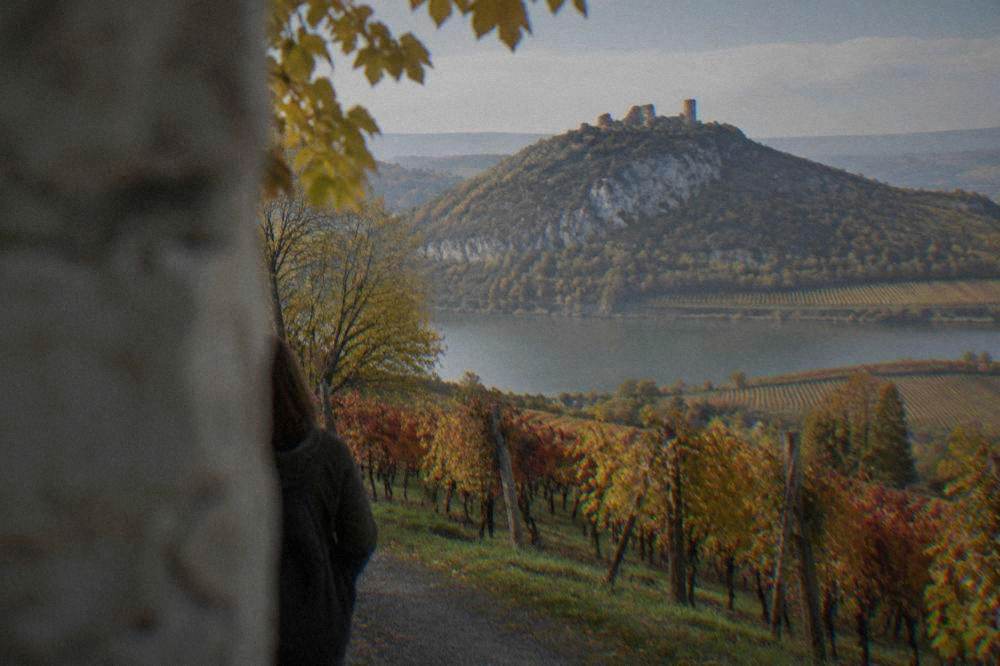
The climate numbers matter for planning a vineyard walk. The ERA5 reanalysis for Brno, 1991-2020, gives these monthly normals:
| Month | Mean daily high | Mean daily low | Rainfall |
|---|---|---|---|
| April | 14.9 C | 4.5 C | 40.4 mm |
| May | 19.2 C | 9.6 C | 65.8 mm |
| June | 22.9 C | 13.3 C | 74.8 mm |
| July | 25.0 C | 15.3 C | 82.8 mm |
| August | 24.9 C | 15.2 C | 67.6 mm |
| September | 19.5 C | 10.8 C | 64.2 mm |
| October | 13.6 C | 6.3 C | 43.5 mm |
July carries the highest rainfall total in the table at 82.8 mm and September, the harvest month, still averages 64.2 mm, so a rain layer earns its place in the bag. The site's best time to visit Brno and Brno weather guides carry the full twelve-month table and the reasoning around it.
What Does Lednice Chateau Cost To Visit?
A Lednice Chateau ticket costs 280 CZK full and 200 reduced for Tour I, the State Rooms, 220 and 160 for Tour II, the Private Apartments, and 420 and 300 for the combined ticket, with an English audio guide at 50 CZK, per the chateau's own site. The park is free to enter, children under 6 are free, and the prices are listed as indicative, so they are confirmed before booking.
Lednice is the architectural centrepiece of the wine region, and it is the one chateau in South Moravia whose full price list this site's sources verify. The table:
| Tour | Full | Reduced | Notes |
|---|---|---|---|
| Tour I, State Rooms | 280 CZK | 200 CZK | guided circuit |
| Tour II, Private Apartments | 220 CZK | 160 CZK | guided circuit |
| Combined ticket | 420 CZK | 300 CZK | both circuits |
| English audio guide | 50 CZK | 50 CZK | per the chateau's site |
| Park and grounds | free | free | open access |
| Children under 6 | free | free | per the chateau's site |
Hours are seasonal, and the chateau closes on winter Mondays outside peak season, so the calendar on its own site is the thing to check against travel dates. Nearby Valtice, the second chateau of the UNESCO landscape, has its own official visitor site with tours and online tickets; its price list is not among the figures this site verifies, so those are checked there directly. The full landscape guide is at Lednice-Valtice.
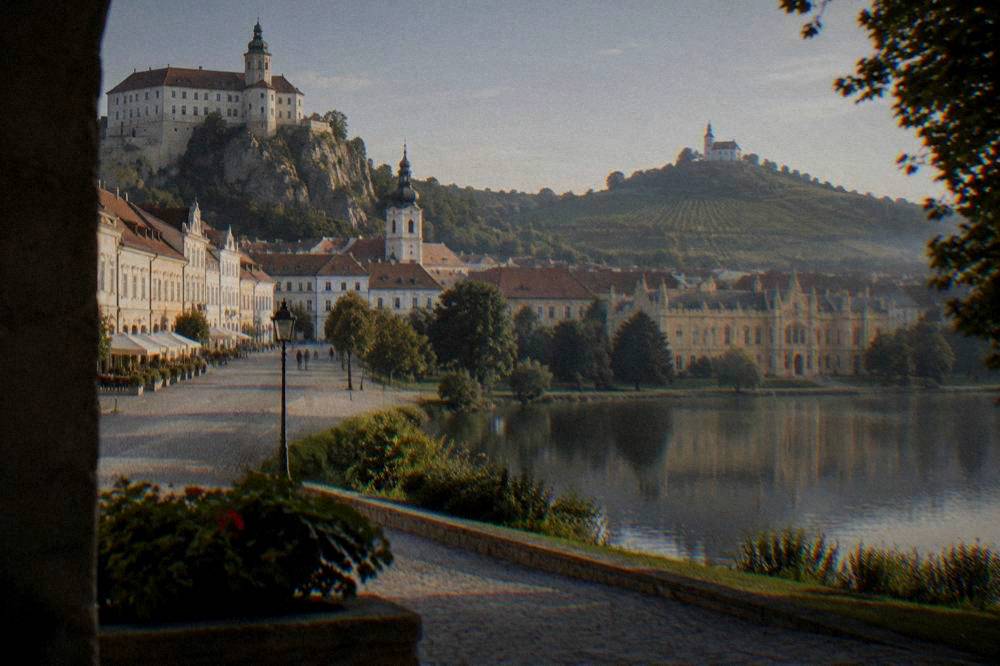
A chateau-plus-cellars day is the classic combination here, and a guided version of it runs from Brno:
For the guided version of that combination, book a Lednice Chateau day trip here.
Can You Taste Moravian Wine In Brno Itself?
Yes, Moravian wine is poured in Brno, from dedicated wine bars to the Vinobraní festival on Náměstí Svobody each late September, and the city's food and drink tours include tastings as part of their itinerary. The city centre holds specialist bars pouring Moravian bottles, and a small-group food tasting tour covers several stops with a guide who orders alongside the group. The wine bar guide on this site lists where to start.
Brno is a student city, with Masaryk University counting 38,181 students, and its drinking culture runs to wine as well as beer. Starobrno is the local brewery, and the site's beer and pubs in Brno guide covers that half of the equation. For wine, the Brno wine bars guide lists the places to begin, and the harvest festival brings the producers into the square for nine days each autumn.
The guided options:
A note on prices: neither bottle prices in bars nor tasting fees in cellars are figures this site's sources carry, so both are treated as planning unknowns, confirmed at the venue. What can be said is structural: tasting at the producer in the wine country usually means a cellar door or a booked tasting room, while in Brno it means a bar list, and the two experiences are different enough that travellers with time do both.
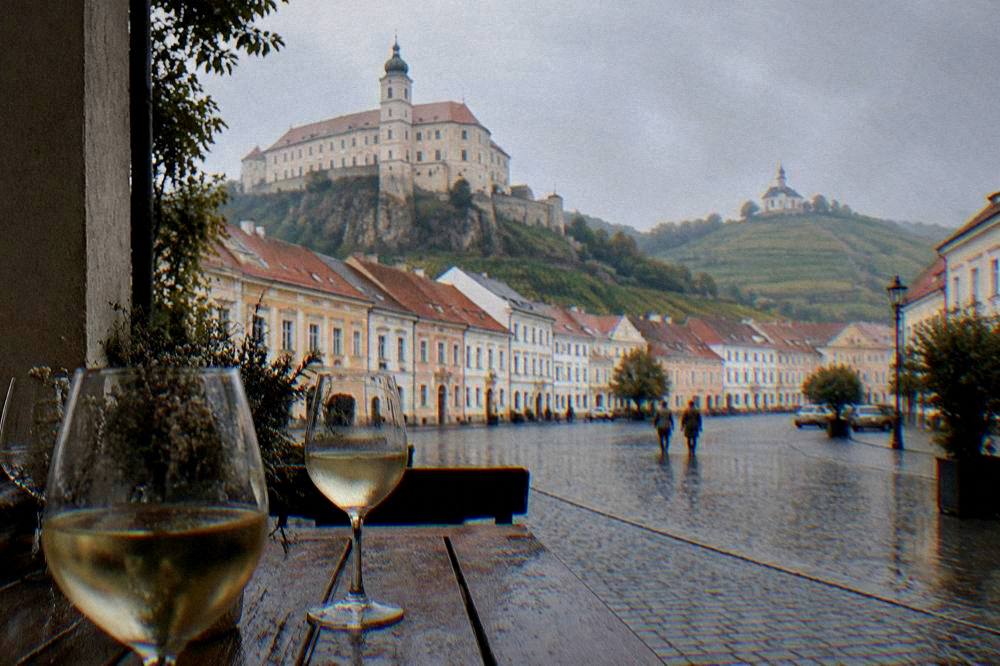
How Many Days Should You Give The Wine Region?
One long day from Brno covers Mikulov or Lednice-Valtice singly, with trains and buses taking about 45 to 60 minutes each way; two days allow one night in Mikulov and a slower loop through Pálava, Lednice and Valtice; three or more days add Znojmo, about 56 km away, and the castles at Pernštejn or Veveří. The right length depends on whether the trip is about tasting, walking or the UNESCO sights.
A workable shape for each length:
| Trip length | Realistic shape | Key distances |
|---|---|---|
| 1 day | Brno to Mikulov or Lednice, one chateau or castle, two cellar stops, return by evening | 43 to 46 km each way |
| 2 days | Night in Mikulov, Pálava walking, Lednice chateau and park on day two | 36 to 46 km spread |
| 3 days | Add Znojmo and the Dyje valley, or Pernštejn on the return | 35 to 56 km spread |
| Half day | A guided tour from Brno with transport included | varies by tour |
The half-day row is real: several guided products run compressed versions of the wine loop, and the site's Moravian wine tour from Brno page compares them. For the independent version, the base is Brno hlavní nádraží and the southbound regional services, with the ticket details in the Brno public transport guide for the city legs.
For anyone combining wine with the region's other headline attraction, the Moravian Karst lies about 20 km from Brno in a straight line in the opposite direction, north of the city. The Moravian Karst tour from Brno guide covers the caves and Macocha Abyss; several tours, including the site's featured South Moravia product, offer it as an option alongside the wine country.
What Should You Budget For A Wine Day Trip From Brno?
The cash costs for an independent wine day are the Lednice Chateau tickets, 280 to 420 CZK depending on the circuit, the English audio guide at 50 CZK, and Brno city transport at 25 CZK per 60-minute ticket or 90 CZK for 24 hours; Pernštejn's basic tour is 260 CZK adult. Train and bus fares to the wine towns, cellar tasting fees and meals are confirmed at booking or at the venue.
What that means in practice is that the fixed, knowable costs are modest and the variable ones, the fares and the tastings, depend on choices made on the day. A Brnopas city card, 370 CZK for one day or 610 CZK for three, covers city sights but not the wine country's chateaus, so it earns its price only on itineraries weighted toward Brno itself; the Brnopas guide lists exactly what it includes.
Guided tours bundle the variables: transport, a set route and, on several products, tasting stops arranged in advance. The price, rating and duration of each product render from the listings rather than being typed here, and the comparison below shows the three this page is built around:
The third of those is not a wine product at all: the private functionalism walk covers Brno's 1920s and 1930s architecture, the school of building that produced Villa Tugendhat, built 1928 to 1930 and UNESCO-listed in 2001. It belongs here because travellers who come for the wine country often stay for the architecture, and the city's Villa Tugendhat tickets guide explains why that one needs booking ahead through Brno iD, with prices rising on 1 January 2027.
For anything more about the wine region, the site's wider coverage continues from Brno Travel Guide, including where to stay in Brno, how to get to Brno and what to eat in Brno.
Common Questions About South Moravian Wine
What is South Moravian wine?
It is the wine produced in the vineyard belt south and southeast of Brno, in the Czech region of South Moravia, centred on Mikulov, the Pálava hills, the Lednice-Valtice landscape and Znojmo. The grape varieties and producer names are confirmed with each cellar, as this site's sources do not carry them.
How far is the wine country from Brno?
The wine towns lie between about 36 and 56 km from the centre of Brno in a straight line: Pálava about 36 km, Mikulov about 43 km, Lednice-Valtice about 46 km and Znojmo about 56 km. These are straight-line distances, not road distances.
Can you visit Mikulov from Brno without a car?
Yes. Trains and buses run from Brno to Mikulov in about 45 to 60 minutes, per the timetable summaries this site's sources report, and guided day trips from Brno also cover the town with transport included.
When is wine season in South Moravia?
The burčák season runs legally from 1 August to 30 November, and the main harvest festival, Vinobraní Brno, ran 25 September to 3 October 2026 on Náměstí Svobody. September and October are the months the festival calendar centres on.
What does a wine tasting cost in South Moravia?
Tasting fees are set cellar by cellar and are not among the figures this site's sources carry, so each is confirmed with the producer or at the cellar door before counting on a number. Guided tours that include tastings list their own price on the operator's live listing.
Is Lednice worth combining with a wine trip?
Yes, and its prices are: Tour I at 280 CZK full, Tour II at 220 and the combined ticket at 420, with the park free. Its hours are seasonal, so the chateau's own site is checked before a visit.