What Kind Of Wine Is Produced In Moravia?
Moravia is Czechia's wine country, and Brno is its gateway. What the region produces, where to taste it, and how the wine calendar around Brno runs.
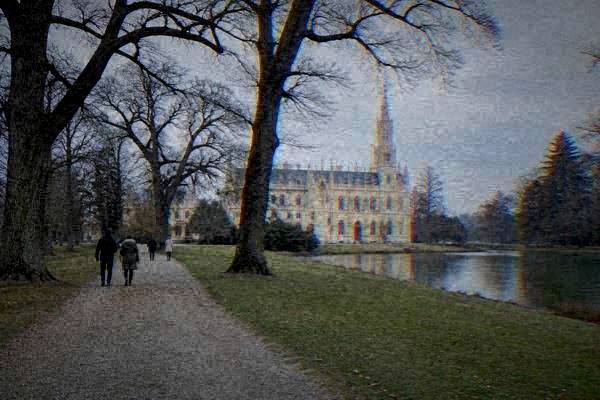
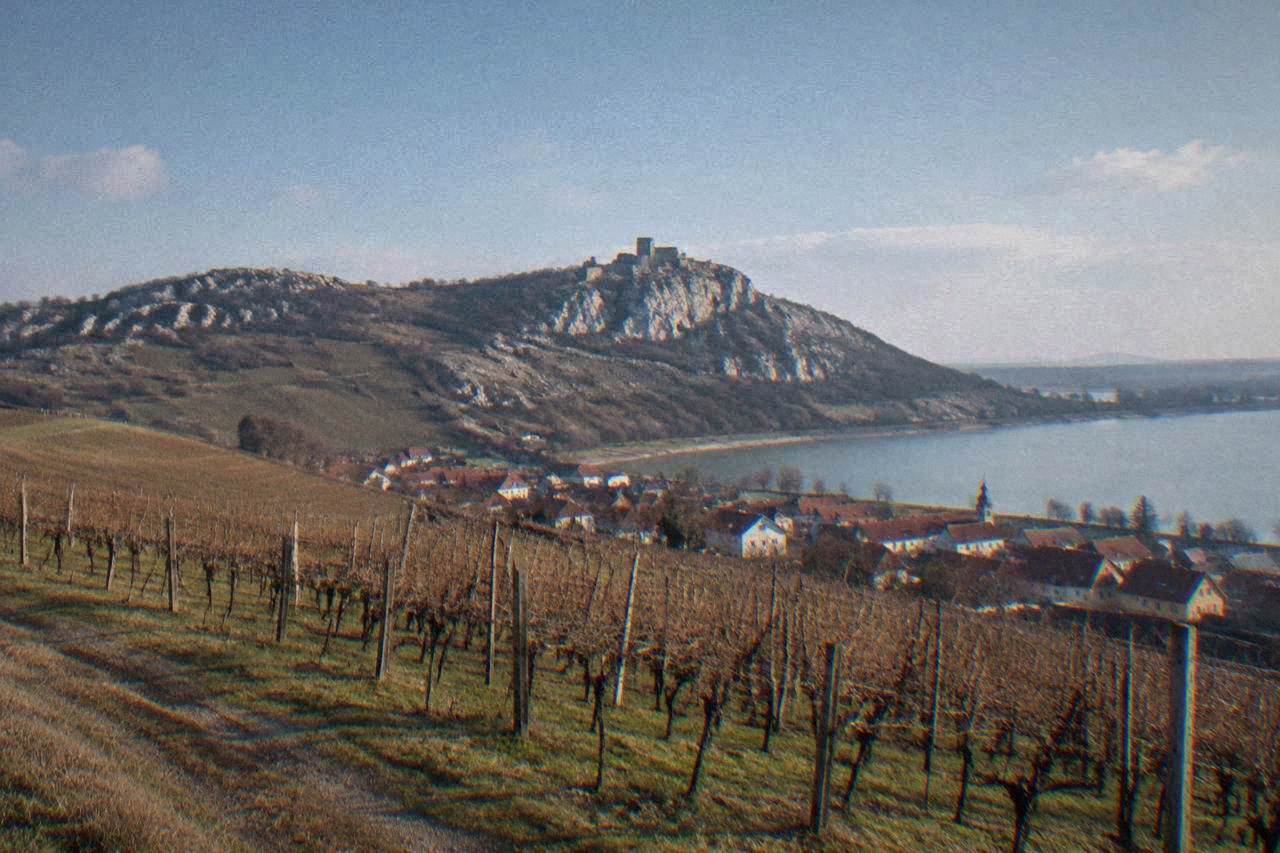
Brno is the city at the centre of South Moravia, the historic wine region of Czechia, an inland region of river valleys, white hills and village cellars rather than coastline. The question of what kind of wine comes out of Moravia is really a question about the countryside that begins just beyond the city limits: the Pálava hills, the town of Mikulov and the Lednice-Valtice Cultural Landscape, all of them within roughly 50 kilometres of Brno's squares. The region's signature drink is young Czech wine sold close to where the grapes grow, and its most time-limited version is burčák, the still-fermenting young wine whose legal sales season runs from 1 August to 30 November.
The honest framing, and the one this site can stand behind, is that specific grape varieties, vintages and producer names belong to the cellars themselves. What can be stated plainly is the geography, the calendar and the prices of the places the wine comes from. For a fuller background on the region, the site's South Moravian wine guide covers the same ground at length, and the Moravian wine tour from Brno page lists guided options.
What Kind Of Wine Is Produced In Moravia?
Moravia produces Czech wine: still wines, sparkling wines and the seasonal young wine called burčák, sold from village cellars in the hills around Mikulov, Pálava and Lednice-Valtice, all within about 46 kilometres of Brno in a straight line. The region is Czechia's wine country, and Brno, an inland city of 404,296 residents, is its natural base.
That is the structural answer. The Czech state regulates the young-wine part of it: burčák, the cloudy, partially fermented juice that appears each late summer, may legally be sold only between 1 August and 30 November, a window set in national rules and reported for this site. Outside that window the cellars pour finished wines instead, and the region's wine festival calendar carries the story through autumn: Brno's own Vinobraní ran 25 September to 3 October in 2026 on Náměstí Svobody, the city's main square, under the Slavnosti Brno programme.
What this site does not do is rank bottles. Grape varieties, vintages, producer names and tasting prices change cellar by cellar and year by year, and the right move is to ask in the tasting room or on a guided trip. A structured way to do that is the Wine and UNESCO day trip from the tour roster, which pairs the Lednice-Valtice area with Mikulov; more on that below.
Where Does Moravian Wine Country Sit Relative To Brno?
The wine villages of South Moravia sit in a compact belt 35 to 46 kilometres south of Brno in a straight line: the Pálava hills at 36 km, Mikulov at 43 km and the Lednice-Valtice Cultural Landscape at 46 km, all reachable as day trips from the city by train or bus.
Those distances are straight-line figures, computed from coordinates rather than road routes, and they explain why Brno functions as the region's gateway. Vienna lies 111 km and Bratislava 122 km from Brno in the same direction, which is why the wine country also shows up on itineraries built from those capitals. Within the belt, the Lednice-Valtice Cultural Landscape is a UNESCO World Heritage site, a 143 km2 designed landscape of chateau, parkland and vineyard, while Pálava is a UNESCO-protected biosphere reserve of limestone hills above Mikulov.
If the wider region is calling, book a rental car here.
| Wine-country destination | Straight-line distance from Brno centre | Source |
|---|---|---|
| Pálava hills | 36 km | UNESCO biosphere reserve |
| Mikulov | 43 km | Wine town below Pálava |
| Lednice-Valtice Cultural Landscape | 46 km | UNESCO World Heritage (143 km2) |
| Brno Reservoir (local water, not wine) | 7 km | Recreation area |
For planning, the site's day-trip overview of things to do in Brno and around puts the wine belt in context with the Moravian Karst, Slavkov and the other headline trips.
How Do You Taste Moravian Wine Without Driving?
The practical answer from Brno is a guided day trip: the roster's Wine Culture and UNESCO Gems tour covers the Lednice-Valtice area and Mikulov with transport and a guide, and a food-and-drink tasting tour in the city covers Moravian flavours without leaving Brno. Both can be checked through the operator's live listing.
Driving yourself is possible, and trains and buses serve the belt, but wine tasting and driving do not mix, and the guided option removes the calculus. The featured trip on this page is Check availability for the Wine and UNESCO day trip, which is also linked from the site's dedicated tour page. It belongs to the day-trips category on the roster: a full-day outing from Brno rather than a city walk.
Inside Brno itself, the wine angle continues in the city's bars, which pour Moravian bottles year round; the site's Brno wine bars guide covers where to look. The question of whether Brno is worth visiting is, in part, a wine question: the city is the region's tasting room.
What Does A Wine-Country Day Trip Cost To Enter?
Entry to the Lednice-Valtice landscape is free at its park, and the Chateau's own ticket page lists Tour I (State Rooms) at 280 CZK full and 200 CZK reduced, Tour II (Private Apartments) at 220 / 160 CZK, the combined ticket at 420 / 300 CZK and an English audio guide at 50 CZK.
Those are the 2026 figures from the Chateau's official admission page, in Czech koruna, the currency of Czechia, which is in the EU and Schengen but outside the eurozone. Mikulov castle's entry prices sit on its own operator pages and should be confirmed there before a visit, and the same applies to tasting fees in the cellars: they vary by producer and by what is poured, so check the room rather than expecting a fixed tariff. More of these guides are collected on Brno Travel Guide.
| Ticket at Lednice Chateau | Full (CZK) | Reduced (CZK) |
|---|---|---|
| Tour I, State Rooms | 280 | 200 |
| Tour II, Private Apartments | 220 | 160 |
| Combined ticket | 420 | 300 |
| English audio guide | 50 | 50 |
The pattern to notice is that the landscape itself, the part that makes the region UNESCO-listed, costs nothing to walk through. The paid entries are the interiors, and the free part is the scenery the vines grow in.
What Is Burčák And When Is It Legal In Brno?
Burčák is young, still-fermenting Moravian wine, cloudy and sweet, and under Czech rules it may be sold only between 1 August and 30 November each year, a window reported for this site; in Brno the accompanying wine festival, Vinobraní, ran 25 September to 3 October in 2026.
The fixed window is what makes burčák a calendar item rather than a menu item. It appears in late summer as the first grapes come in, and by December it is gone, replaced by the finished wines of the same vintage. The Brno festival on Náměstí Svobody is the city-centre version of the harvest; the village version happens in the cellars of the wine belt, where the season's opening is the local event of the year. Timing a visit against the window is the single most practical piece of wine planning this page can offer, and it is the one date set in regulation rather than by taste.
When Do Brno's Wine And Harvest Events Run?
Brno's 2026 wine calendar ran from the Vinobraní harvest festival on 25 September to 3 October, with the burčák season legally open from 1 August to 30 November, and the city's wider Slavnosti Brno programme filling the year around it, including the Easter festival from 27 March to 5 April and the May festival from 12 to 17 May.
The dates above are the 2026 editions, and festivals of this kind recur annually with new dates announced by their organisers, so confirm the coming year's calendar on the festival pages before building a trip around one. The burčák window is the exception: it is set in rules, not in an organiser's schedule, and it is the anchor the rest of the calendar hangs from. Autumn is when the region's wine story is most visible in the city, and the harvest festival on the main square is where it concentrates.
| Event or season | 2026 dates | Where |
|---|---|---|
| Burčák legal sales season | 1 August to 30 November | Czechia-wide, from Moravian grapes |
| Vinobraní Brno harvest festival | 25 September to 3 October | Náměstí Svobody, Brno |
| Slavnosti Brno Easter festival | 27 March to 5 April | Brno |
| Slavnosti Brno May festival | 12 to 17 May | Brno |
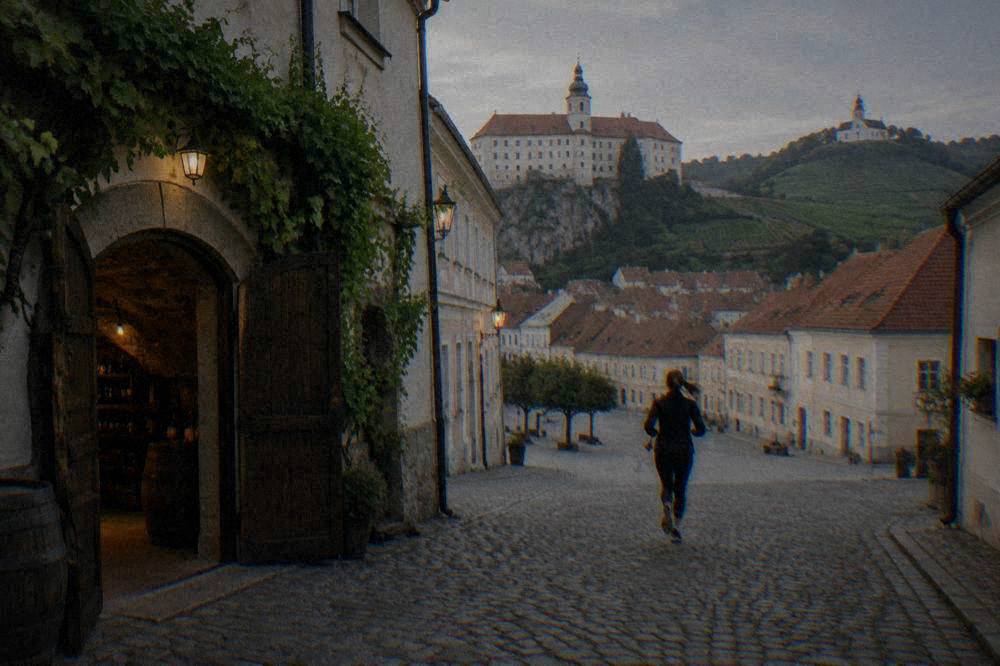
The through-line of the region, from the free parkland of Lednice to the burčák window to the harvest on Náměstí Svobody, is that wine in Moravia is a seasonal, local product with fixed calendar rails, not a museum exhibit. Brno, which was the main capital of Moravia from 1641 and remains its centre, is where all of it is within a day's reach: the cellars at 35 to 46 kilometres, the festival on the main square, and the tasting rooms pouring the same region's finished bottles when the young wine has run out.
Common Questions About Moravian Wine From Brno
What Kind Of Wine Is Produced In Moravia?
Moravia produces Czech still and sparkling wines plus the seasonal young wine burčák, sold from village cellars around Mikulov, Pálava and Lednice-Valtice. Grape varieties, vintages and producer names vary by cellar and are best asked about in the tasting room or on a guided day trip from Brno.
Is Moravia In Czechia Or Slovakia?
Moravia is a historic region of Czechia, not of Slovakia. Brno, in South Moravia, was the region's main capital from 1641 and is Czechia's second-largest city, with 404,296 permanent residents at the end of 2025.
How Far Is Moravian Wine Country From Brno?
The wine belt lies 35 to 46 kilometres from Brno's centre in a straight line: the Pálava hills at 36 km, Mikulov at 43 km and the Lednice-Valtice Cultural Landscape at 46 km. All three work as day trips from the city.
When Can You Drink Burčák In Brno?
Burčák may legally be sold only between 1 August and 30 November each year. Brno's harvest festival, Vinobraní, ran 25 September to 3 October in 2026 on Náměstí Svobody.
What Does It Cost To Enter Lednice Chateau?
The Chateau's ticket page lists Tour I at 280 CZK full and 200 CZK reduced, Tour II at 220 / 160 CZK, the combined ticket at 420 / 300 CZK and an English audio guide at 50 CZK. The surrounding park and UNESCO landscape are free to enter.
Can You Taste Moravian Wine Without Leaving Brno?
Yes: the city's wine bars pour Moravian bottles year round, and a food-and-drink tasting tour in the roster covers Moravian flavours in the city centre. The site's Brno wine bars guide lists where to look.