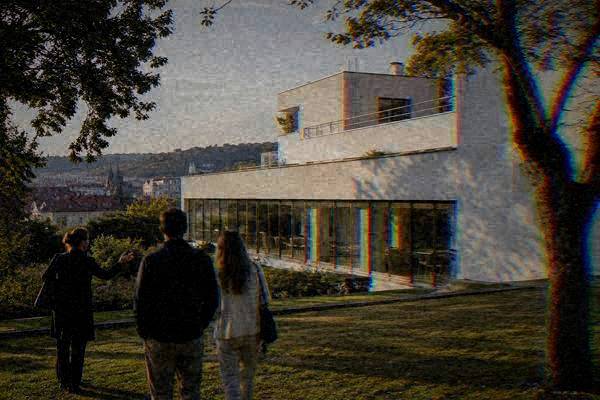
A Functionalist Brno Walk: Tugendhat To The Fairgrounds
Brno, in South Moravia, Czechia, is one of Europe's great open-air textbooks of functionalist architecture, and a functionalist walk from Villa Tugendhat to the 1928 fairgrounds covers the whole story in a single day.
Short answer
A functionalist Brno walk links Villa Tugendhat, a UNESCO World Heritage house built 1928 to 1930, with the city's other modernist landmarks and the Exhibition Centre opened in 1928, using Brno's tram network at 20 to 33 CZK a ticket.
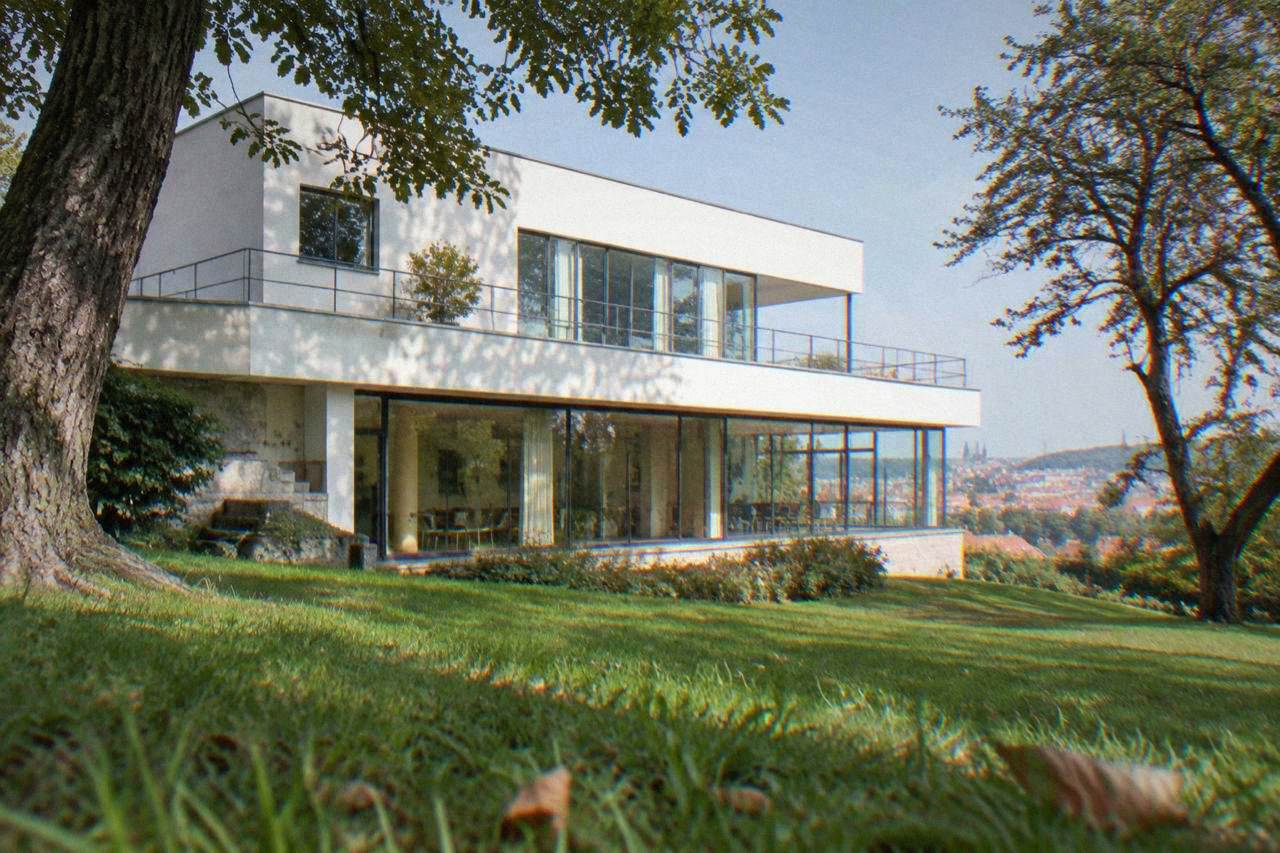
Brno, in South Moravia, Czechia, is a city whose architecture changed direction in the years around 1928, when a building boom of modernist houses, schools and exhibition halls gave the inland city of about 404,000 residents one of the densest concentrations of functionalist buildings anywhere. The walk below strings that story together, from Villa Tugendhat, the house built 1928 to 1930 by Ludwig Mies van der Rohe and inscribed by UNESCO in 2001, to the Exhibition Centre that opened in 1928 for the Exhibition of Contemporary Culture. It is a walk you can do on foot and by tram, and it pairs naturally with the site's wider Brno architecture guide, the detailed Villa Tugendhat attraction page and the big-picture things to do in Brno roundup.
What Is A Functionalist Brno Walk?
A functionalist Brno walk is a themed route through Brno, Czechia, that connects the city's modernist architecture of the late 1920s and 1930s, anchored by Villa Tugendhat, built 1928 to 1930 by Mies van der Rohe and inscribed on the UNESCO World Heritage list in 2001, and ending at the Exhibition Centre opened in 1928. The walk works because the buildings sit inside one compact city served by a single tram and bus network, and because the two fixed points at either end both carry hard, sourced facts: ticket prices, booking rules and opening hours published by the venues themselves.
Functionalism is the label the city's own heritage bodies use for this architecture, exemplified by Villa Tugendhat and other 1920s and 1930s buildings across Brno. The style arrived as Brno was growing fast: the city had become the administrative capital of Moravia in 1641, and by the 1920s it was a manufacturing centre with an ambitious exhibition programme. The Exhibition of Contemporary Culture in 1928 gave the city its fairgrounds, and the same years produced the villas that now draw architecture travellers.
What makes the walk practical rather than theoretical is that its two anchor sights are fully ticketed and documented. Villa Tugendhat's interior can only be entered with a previously purchased ticket booked through Brno iD, and the villa's own ticket page lists the castle-standard pricing of its tours. The Exhibition Centre, by contrast, is a functioning venue you can walk past and around at any time. Between the two, the route passes streets of modernist housing, and the whole thing is rideable on a 90 CZK day ticket.
Where Does The Functionalist Brno Walk Begin: Villa Tugendhat?
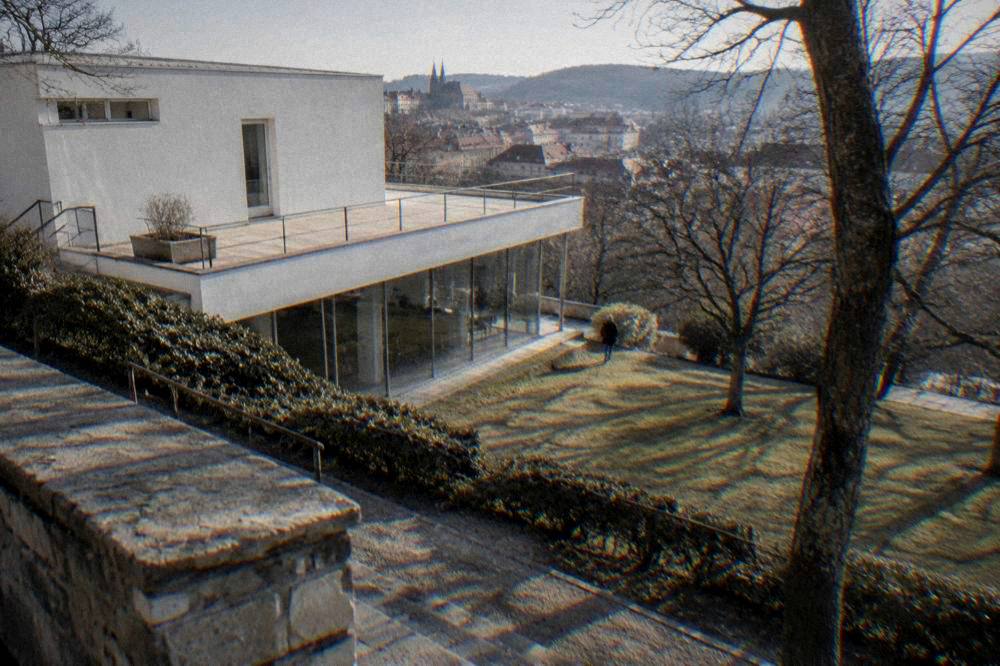
The walk begins at Villa Tugendhat, Černá Pole's UNESCO-listed house built 1928 to 1930 by Mies van der Rohe, inscribed on the World Heritage list in 2001 (reference 1052), open daily except Monday from 10:00 to 18:00, and entered only with a previously purchased ticket booked through Brno iD. That booking rule is the single most important planning fact on this whole itinerary: the interior is not open to walk-up visitors, and tours run in Czech and English with groups of at most 16 people and at most 3 groups per booking on the Extended tour.
Three tour types cover the site, and the villa's own ticket page lists all of them with fixed CZK prices. The Extended tour, 90 minutes, covers the full building including the technical spaces and the garden, at 500 CZK full, 320 CZK reduced and 1200 CZK family until 31 December 2026. The Basic tour, 60 minutes, costs 450 / 270 / 1050 CZK on the same date boundary. The 40-minute outside and garden tour is 200 / 150 / 400 CZK. Children to 6, ICOM members and ZTP/P escorts go free.
| Villa Tugendhat tour | Length | Full (CZK) | Reduced (CZK) | Family (CZK) | Price change |
|---|---|---|---|---|---|
| Extended (full building, technical, garden) | 90 min | 500 | 320 | 1200 | 550 / 330 from 1 Jan 2027 |
| Basic | 60 min | 450 | 270 | 1050 | 500 / 300 from 1 Jan 2027 |
| Outside and garden | 40 min | 200 | 150 | 400 | per the villa's ticket page |
Slots on the villa's tours are reported to sell out quickly on release day, so the booking, not the walk, is the part to fix first. If the date you want is gone, the garden tour and the villa's exterior remain bookable options, and the site's Villa Tugendhat tickets guide walks through the Brno iD process step by step. For background on why the house matters globally, see why Villa Tugendhat is famous.
One more constraint shapes the day: the villa is closed on Mondays. A functionalist walk planned for a Monday has to invert itself, starting at the fairgrounds and ending at the villa's garden, or shift to another day. The Mendel Museum nearby is also closed Mondays and, since 1 October 2026, closes at 17:00, so pair the two carefully if you want both.
How Do You Get Between The Stops On A Functionalist Brno Walk?
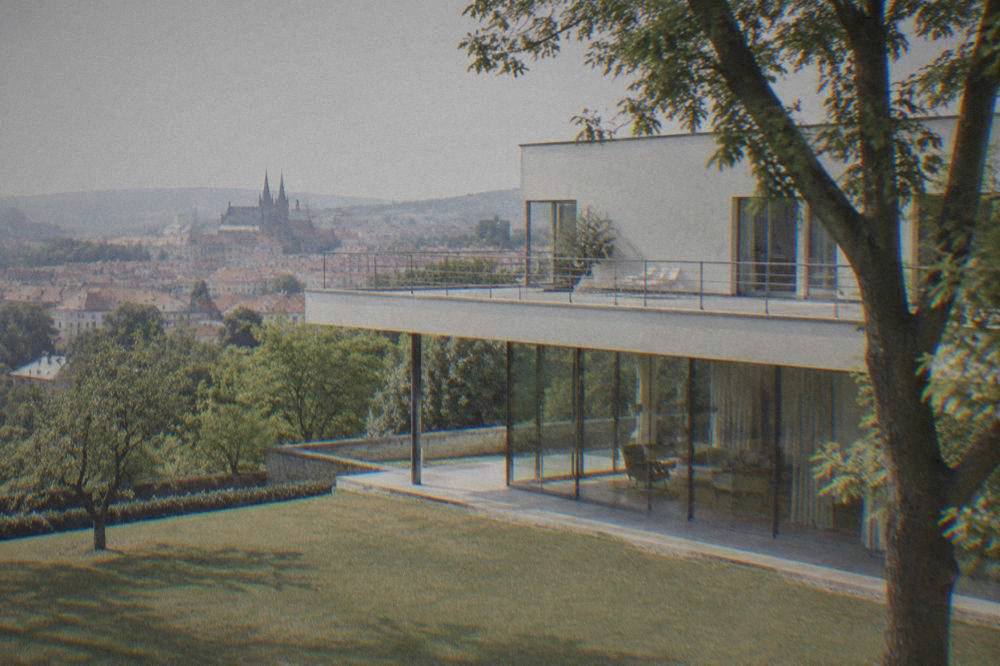
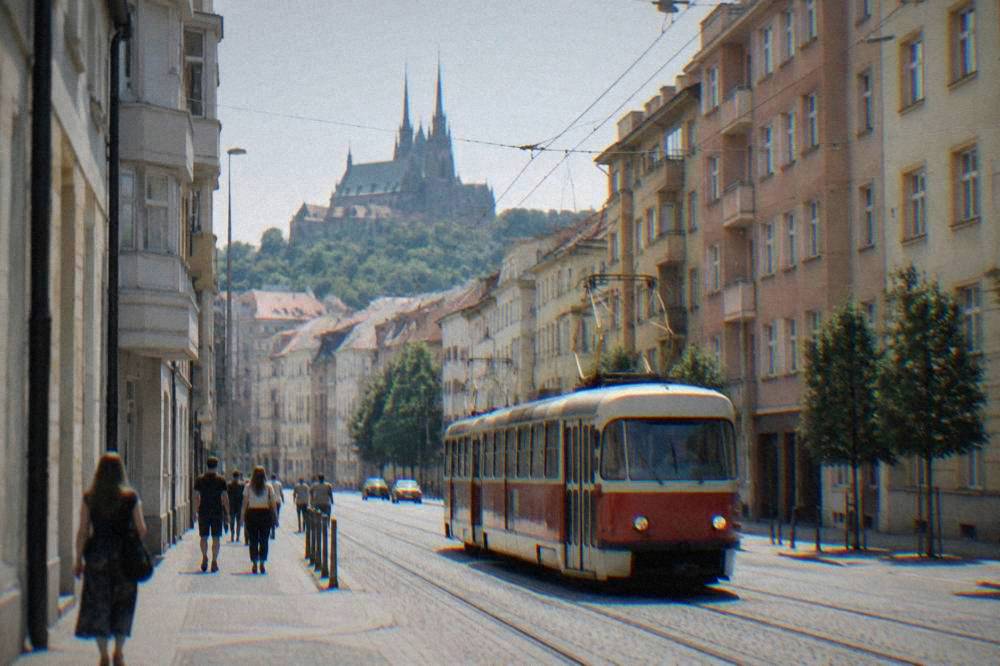
Brno's public transport covers the whole functionalist walk on trams and buses in tariff zones 100 and 101, with paper tickets at 20 CZK for 15 minutes, 25 CZK for 60 minutes and 33 CZK for 90 minutes, and a 24-hour Brno ticket at 90 CZK, per the DPMB tariff valid from 1 October 2026. A single 60-minute ticket is enough to ride from the villa towards the centre; the day ticket covers the whole itinerary including the fairgrounds at the far end, and there is no free transport for visitors in Brno.
Tickets come from machines, kiosks and drivers, and contactless purchase is supported on board. The network is run by DPMB inside the IDS JMK system, and the city sits entirely in zones 100 and 101, so the standard city tickets are all a visitor on this walk needs. The table below is the full set of fares a walker actually uses.
| DPMB ticket | Validity | Full (CZK) | Reduced (CZK) |
|---|---|---|---|
| Paper, 2 zones | 15 min | 20 | 10 |
| Paper, 2 zones | 60 min | 25 | 12 |
| Paper, 3 zones | 90 min | 33 | 16 |
| 8-trip ticket | 8 rides | 156 | 78 |
| 24-hour Brno ticket | zones 100 + 101 | 90 | 45 |
The Brnopas visitor card is the alternative if the walk is part of a bigger stay: 370 CZK for one day, 490 for two and 610 for three, with free entry to a set of city sights including the Old Town Hall tower, the Ossuary, the cathedral tower and the Zoo. A Brnopas+ variant bundling a Villa Tugendhat tour costs 870 / 990 / 1110 CZK for one, two and three days, which is one way to fold the villa's ticket into a single purchase. The card does not change the villa's booking rule: a Tugendhat slot still has to exist on your date.
If you are arriving from Prague for this walk, the Railjet covers the roughly 186-kilometre straight-line distance in 2 hours 59 minutes, and the one-day itinerary in one day in Brno from Prague shows how a functionalist walk fits into a day trip. The station area itself, covered at the Brno station area page, is where the walk's tram legs begin.
Which Functionalist Landmarks Should A Brno Walk Include After Tugendhat?
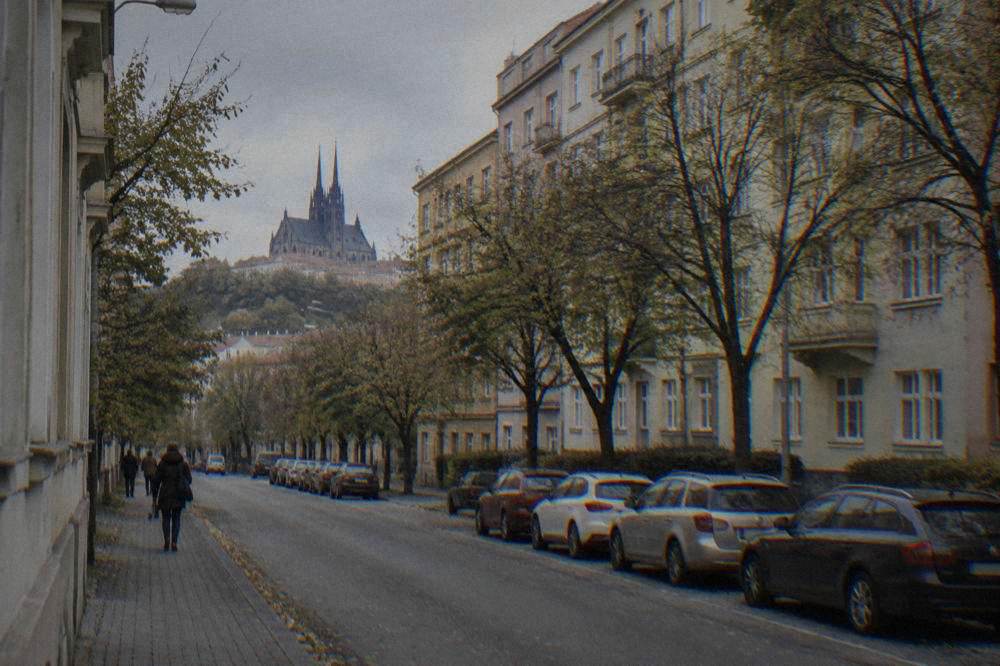
After Villa Tugendhat, a functionalist Brno walk should include the other documented villas of the same era, the modernist housing streets of the interwar city, and the Exhibition Centre opened in 1928, with Villa Stiassni as the second named villa stop and the fairgrounds as the finish line. The sources support naming the buildings, their years and their status; they do not support describing facades, materials or interiors, so the walk below stays at the level a planner needs: what each stop is, what it costs and how it connects.
The practical spine of the middle of the walk is the city centre between the Cabbage Market, Zelný trh, and Freedom Square, Náměstí Svobody. Neither square is functionalist, but the streets between them carry the trams the walk depends on, and both are covered in depth on their own pages, the Cabbage Market among the site's attraction guides. The centre is also where the walk's food stops sit, and where the two longer itineraries, Brno in one day and Brno in two days, place the classic sights if your companions are less architecture-minded.
| Stop on the walk | What it is | Sourced fact | Cost to include |
|---|---|---|---|
| Villa Tugendhat | UNESCO house, 1928 to 1930, Mies van der Rohe | tours 200 to 1200 CZK, book via Brno iD | ticket required |
| City centre transfer | Cabbage Market to Freedom Square | tram zones 100 + 101 | 25 CZK, 60 min |
| Villa Stiassni | interwar villa, city attraction page | see the attraction page | check the venue |
| Exhibition Centre | fairgrounds opened 1928 | venue grounds | walkable exterior |
The fairgrounds deserve their place at the end for a simple dated reason: the Brno Exhibition Centre opened in 1928 for the Exhibition of Contemporary Culture, making it the exact same moment in city history as the villa's commission. Its pavilions host the BVV trade fairs today, and the venue's own pages carry the event calendar. The site's Exhibition Centre attraction page covers it in full.
Can You Do The Functionalist Brno Walk With A Guide?
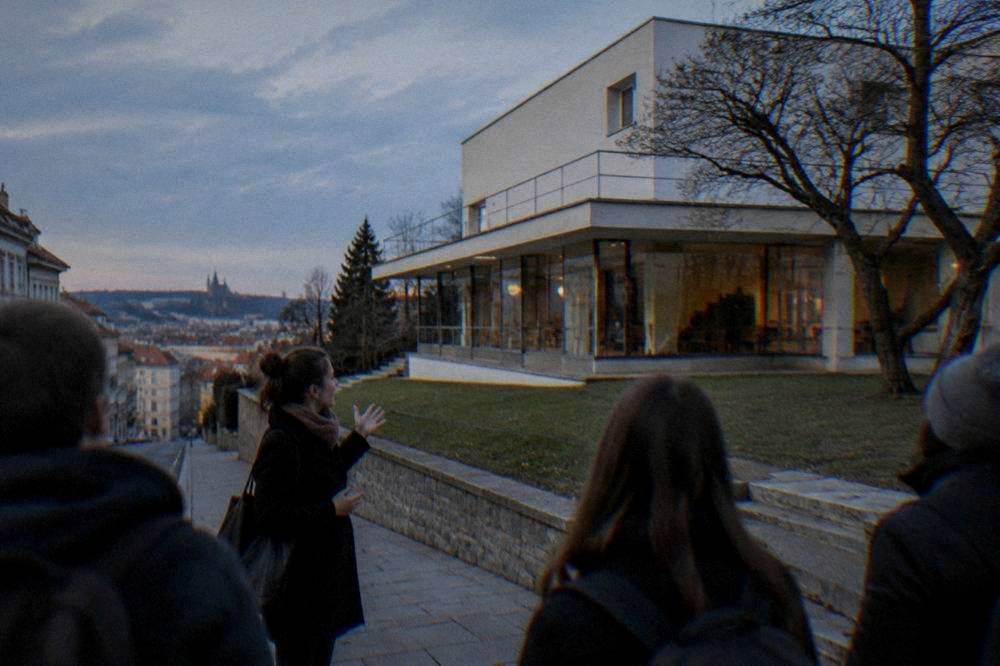
Yes: a guided functionalist walk in Brno exists as a bookable private tour dedicated to the city's functionalist architecture, alongside general historical walking tours that cover the same streets with the modernist buildings folded into a broader story of the city. The dedicated architecture tour is the related pick for this page: it is a private, guided walk whose listing frames it around Brno's functionalism, and its price, rating and review count render on its card below rather than in this prose.
Curious about a guided version of this walk? Book a private heritage walking tour here.
Guiding changes the walk in one specific way: the buildings on the middle stretch are private houses and apartment blocks, and a guide's commentary is how those stops carry meaning for a visitor who cannot enter them. Villa Tugendhat's own guided tours, in Czech and English, are the other guided layer, booked through Brno iD at the prices in the table above. The two guiding products are different things, and neither substitutes for the other. Everything else covered here is indexed on Brno Travel Guide.
If a dedicated architecture walk is more than the day needs, the Brno walking tour guide compares the city's guided options, including the historical walks that trace the older city from Špilberk Castle down to the squares. For the architecture traveller who wants depth, the private functionalism tour can be booked directly: Check availability.
When Is The Best Weather For A Functionalist Brno Walk In Brno?
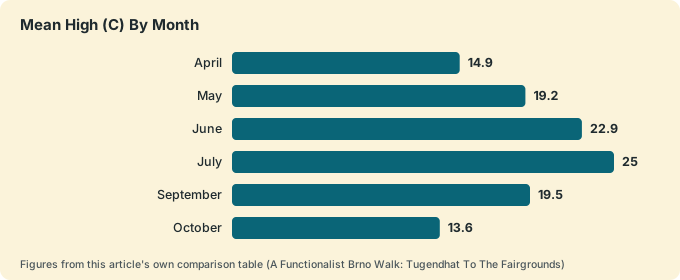
The ERA5 reanalysis for Brno, 1991 to 2020, puts the mean daily high at 25.0 C in July with 82.8 mm of rain, 22.9 C in June with 74.8 mm, and 19.2 C in May with 65.8 mm, so the warm months are also the wettest and the walk trades temperature against rainfall month by month. February is the driest month in the table at 27.9 mm but with a mean high of 4.3 C; there is no month that combines the year's warmth with its lowest rainfall.
The walk itself is mostly outdoors, so the numbers matter for packing more than for routing. The two ticketed indoor anchors, the villa's interior and whatever fairground halls an event opens, are the rain shelters, and the garden tour is a 40-minute outdoor product. The table gives the months a visitor realistically considers.
| Month | Mean high (C) | Mean low (C) | Rain (mm) |
|---|---|---|---|
| April | 14.9 | 4.5 | 40.4 |
| May | 19.2 | 9.6 | 65.8 |
| June | 22.9 | 13.3 | 74.8 |
| July | 25.0 | 15.3 | 82.8 |
| September | 19.5 | 10.8 | 64.2 |
| October | 13.6 | 6.3 | 43.5 |
Annual rainfall across the ERA5 period totals 617.6 mm, distributed with a summer peak: July's 82.8 mm is the largest monthly total in the table and February's 27.9 mm the smallest. The site's Brno weather coverage carries the full monthly table, and the best time to visit Brno page puts those numbers against the city's event calendar.
Two seasonal anchors sit on this walk's route. The Ignis Brunensis fireworks festival ran 30 May to 4 July in 2026 over the Brno Reservoir, the city's water body about 7 km from the centre in a straight line, and the Christmas markets ran 13 November to 31 December 2026 with the Cabbage Market among the sites, which lands a winter version of the walk's central section among the market stalls. Neither changes the architecture, but both change what the middle of the walk feels like.
How Does A Functionalist Brno Walk Fit A Longer Stay In Brno?
A functionalist walk fills one focused day of a Brno stay, and in a two or three day itinerary it pairs with a classic-sights day built around Špilberk Castle, Petrov and the Old Town Hall, plus an optional day trip, with the villa's booking calendar deciding which day becomes the architecture day. The site's Brno in two days and Brno in three days itineraries do exactly that split, and the Brno with kids and Brno in the rain pages adapt it for other parties and weathers.
The classic-sights day is rich in exact figures if you want to plan it precisely. Špilberk Castle's grounds open daily 06:00 to 23:00, its Story of the Castle guided tour costs 180 CZK full, 110 reduced and 415 family, and the Casemates self-guided visit is 190 / 115 / 440 CZK, per the castle's own pages. The Old Town Hall tower is 90 CZK adult, 50 reduced and 200 family, sold only at the tower and free with Brnopas. The cathedral's bells ring at 11:00, not noon, in memory of the 1645 Swedish siege.
| Classic-sights add-on | Ticket (full / reduced CZK) | Free with Brnopas | Booking note |
|---|---|---|---|
| Špilberk, Story of the Castle guided | 180 / 110 | selected tour included | via Brno iD |
| Špilberk, Casemates self-guided | 190 / 115 | no | grounds open to 23:00 |
| Old Town Hall tower | 90 / 50 | yes | sold only at the tower |
| Villa Tugendhat Basic tour | 450 / 270 | no, but Brnopas+ bundles it | Brno iD only |
The day-trip layer around Brno is unusually strong on UNESCO designations: the region adds Lednice-Valtice (reference 763), Telč (621), Třebíč (1078) and Kroměříž (860) beyond the villa's 1052, and Lednice's chateau tours are priced on the official site at 280 / 200 CZK for the State Rooms circuit. Straight-line distances from Brno's centre run about 46 km to Lednice-Valtice, 84 km to Telč and 58 km to Kroměříž. None of that belongs on the walking day itself, but it explains why the functionalist walk is usually day one of a longer stay rather than the whole trip.
What Should You Not Miss Near The Functionalist Brno Route?
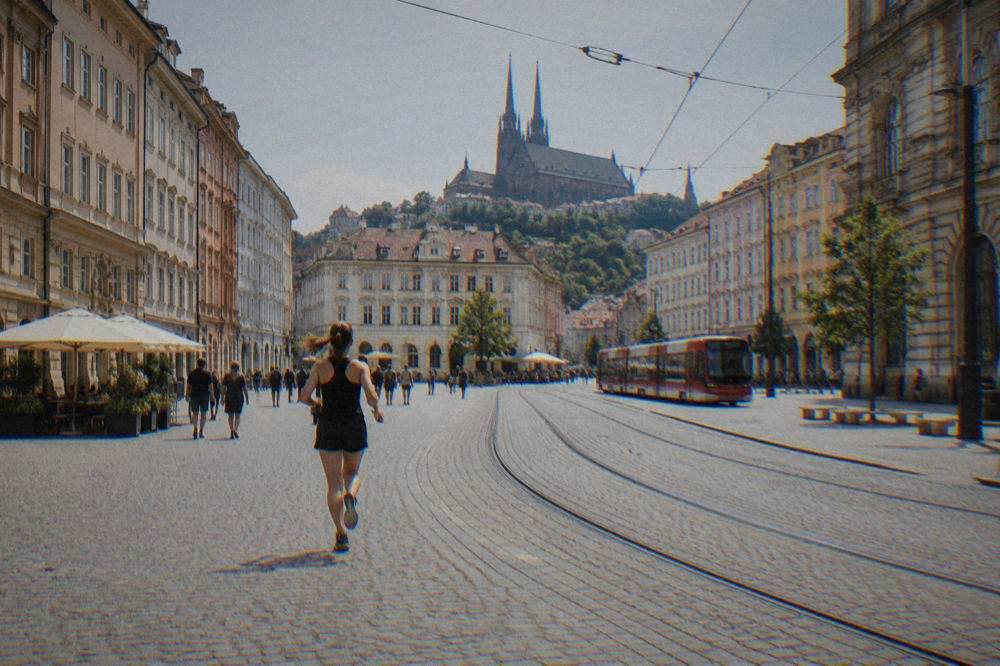
Near the functionalist route sit three sights worth folding into the same tram tickets: the Mendel Museum, which since 1 October 2026 opens Tuesday to Sunday 10:00 to 17:00 with entry of 40 to 100 CZK, the Brno Ossuary, which is free with Brnopas, and the Old Town Hall passage holding the Brno dragon and wheel, the city's own symbols. All three sit in the central stretch the walk crosses anyway, so they cost no extra transport.
The Mendel Museum matters to the architecture story more than it first appears: Gregor Mendel, born 1822, delivered his 1865 lecture on heredity in Brno, and the museum stands where that work happened. Its 40 to 100 CZK entry range is listed by the city's tourism pages. The Mendel Museum page covers the collection, and the site's Gregor Mendel in Brno guide places him in the city's history.
The Brno dragon, a crocodile specimen, and the legendary wheel hang in the Old Town Hall passage, and the tower above them is the 90 CZK climb with the best view over the walk's central section. The Ossuary's own operator asks visitors to check its current hours and prices on its page before visiting, and the site's Brno Ossuary and Old Town Hall guides carry what is published. The Cathedral of Sts Peter and Paul on Petrov, whose bells famously ring at 11:00, completes the skyline view from that tower.
How Much Does A Functionalist Brno Walk Cost?
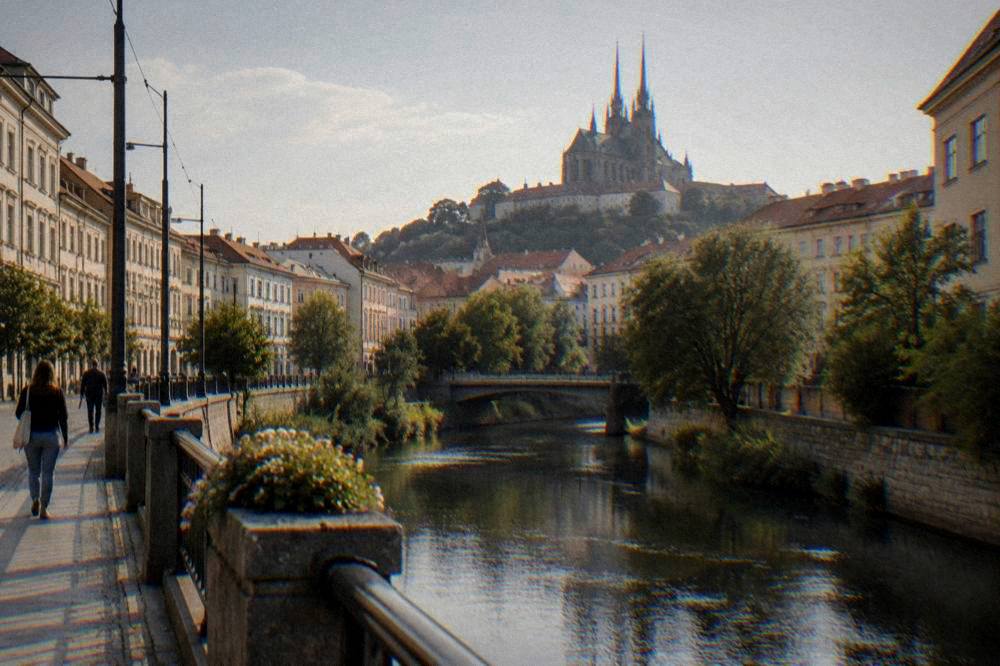
A self-guided functionalist Brno walk is assembled from a 90 CZK 24-hour transport ticket plus whichever Villa Tugendhat tour you book: the 40-minute garden tour at 200 CZK full, the 60-minute Basic tour at 450 CZK until 31 December 2026, or the 90-minute Extended tour at 500 CZK, which becomes 550 CZK from 1 January 2027. A Brnopas+ bundle with the villa starts at 870 CZK for one day, and every exterior on the route, from the interwar streets to the fairgrounds, costs nothing.
| Walk budget item | What it covers | Cost (CZK) |
|---|---|---|
| 24-hour Brno ticket | zones 100 + 101, all trams and buses | 90 |
| Tugendhat garden tour | 40-minute outside and garden visit, full price | 200 |
| Tugendhat Basic tour | 60-minute interior tour, full price to 31 Dec 2026 | 450 |
| Tugendhat Extended tour | 90-minute full tour, full price to 31 Dec 2026 | 500 |
| Tugendhat Extended tour, 2027 | same tour, full price from 1 Jan 2027 | 550 |
| Brnopas+ 1 day with Tugendhat | city card plus a villa tour | 870 |
Two caveats keep that table honest. The villa's booking rule means the interior rows only exist if a Brno iD slot is available on your date, and the reported fast sell-through on release day makes the ticket the thing to secure before anything else on this itinerary. And the totals exclude food, which the site covers separately in its eating and drinking guides, because restaurant prices do not belong on this page.
The budget version is genuinely walkable: the villa's garden tour, the fairgrounds' exteriors and the interwar streets between them are all part of that spending, with the dragon, the wheel and the squares free to pass through. That also makes this itinerary one of the better-value architecture days in the region, since its UNESCO anchor costs less than a single chateau circuit at Lednice, though the two are different experiences and no ranking is claimed here.
Common Questions About The Functionalist Brno Walk
Can you walk into Villa Tugendhat without booking?
No. The interior is entered only with a previously purchased ticket booked through Brno iD, and the villa is open daily except Monday from 10:00 to 18:00. The 40-minute outside and garden tour is the bookable alternative if interior slots are gone.
How long does a functionalist Brno walk take?
The itinerary fills one day: a 90-minute Extended tour or a 60-minute Basic tour at the villa, the central transfer on a 60-minute tram ticket, and the fairgrounds at the end. The exact walking time between stops is not in the sources, so plan the day around the villa slot, not a fixed schedule.
Which transport ticket covers the whole functionalist walk?
The 24-hour Brno ticket at 90 CZK covers zones 100 and 101, which include every stop on the walk. Single paper tickets cost 20, 25 and 33 CZK for 15, 60 and 90 minutes under the tariff valid from 1 October 2026.
Is the functionalist Brno walk doable in winter?
Yes, with the ERA5 reanalysis, 1991 to 2020, showing a mean January high of 1.9 C and December at 2.6 C. The villa's interior tour is the warm anchor, the garden tour is outdoor, and the Christmas markets ran 13 November to 31 December 2026 across the central squares the walk crosses.
Does the Brnopas card include Villa Tugendhat?
The standard Brnopas does not include the villa, but the Brnopas+ variant bundles a Tugendhat tour at 870, 990 and 1110 CZK for one, two and three days. The standard card costs 370, 490 and 610 CZK and includes sights along the walk's central section, including the Ossuary and the Old Town Hall tower.
Can a guide lead the functionalist Brno walk?
Yes. A private architectural walking tour dedicated to Brno's functionalism is bookable through this site's tour pages, and the general historical walking tours cover the same streets with the modernist buildings in a broader narrative. Villa Tugendhat's own tours, in Czech and English, are booked separately through Brno iD.
The functionalist walk is the version of Brno that the 1928 fair and the 1930 villa created together, and one booked ticket, one day ticket and one flat city are all the planning it takes.