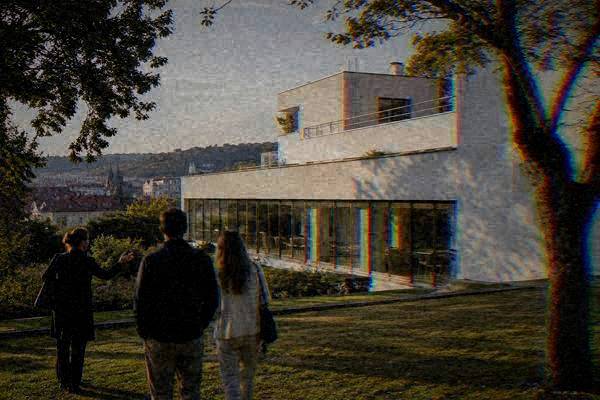
Brno Exhibition Centre: The Functionalist Fairgrounds
The Brno Exhibition Centre opened in 1928 and anchored Brno's functionalist era; this guide covers what the site is, how to reach it, what entry costs at the city's ticketed sights, and how to plan a visit.
Short answer
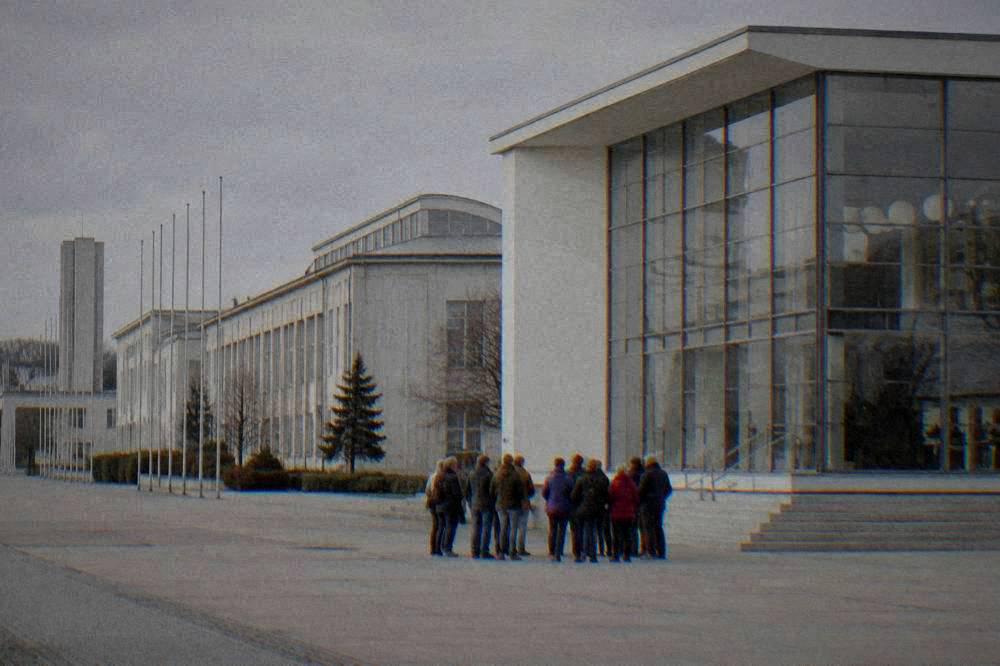
The Brno Exhibition Centre is a fairground in Brno, Czechia, reported to have opened in 1928, and stands alongside Villa Tugendhat as evidence of the city's functionalist architecture of the late 1920s.
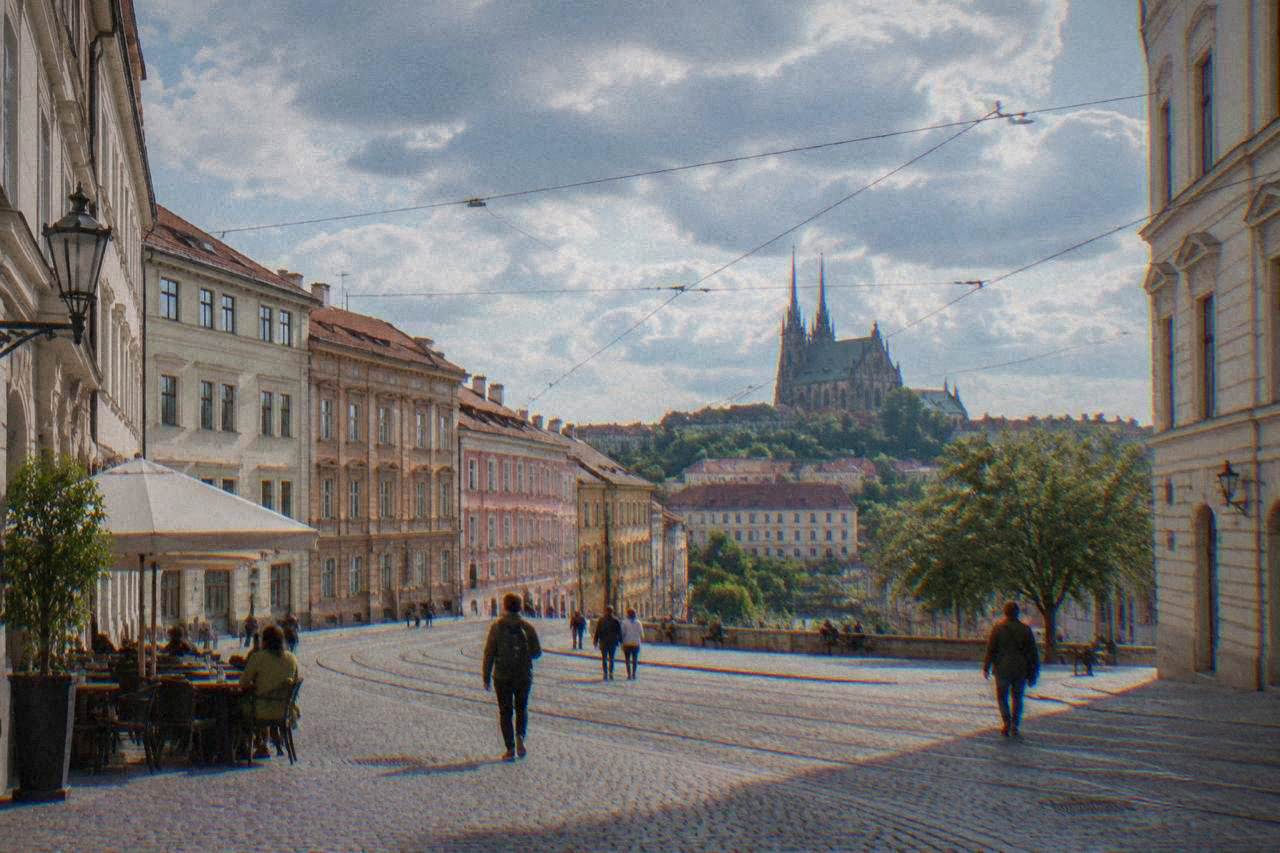
Brno, in South Moravia, Czechia, is an inland city of about 404,000 residents better known for Špilberk Castle and Villa Tugendhat than for its fairgrounds, yet the Brno Exhibition Centre is one of the keys to reading the city. Reported to have opened in 1928 with an Exhibition of Contemporary Culture, the site belongs to the same late-1920s wave that produced Villa Tugendhat, built 1928 to 1930 by Mies van der Rohe. This guide covers what the fairgrounds are, how the 1928 date fits the city's story, how to reach the site, what the surrounding sights cost, and how to fold it into a wider Brno itinerary.
What Is The Brno Exhibition Centre?
The Brno Exhibition Centre is Brno's main trade-fair site, a fairground complex reported to have opened in 1928 with an Exhibition of Contemporary Culture, and it remains the venue for the fairs and exhibitions that fill the city's calendar through the year. It sits in a city known otherwise for Špilberk Castle, the Cathedral of Sts Peter and Paul on Petrov Hill, Villa Tugendhat and the Cabbage Market.
Brno is Czechia's second-largest city and the centre of South Moravia, a region of 1,228,779 residents, yet it keeps a compact core. The fairgrounds belong to the civic, commercial side of the city rather than its medieval layer. The exhibition grounds were laid out for the 1928 Exhibition of Contemporary Culture, an event tied to the young Czechoslovak state's drive to present itself as a modern industrial nation, and the site has carried fairs ever since.
The venue's role in the city's rhythm is easy to underestimate. Fairs bring hotel demand, and the practical pages on this site treat them as one of the reasons a Brno stay can be fully booked in certain weeks. Check the fair calendar on the venue's own pages before locking in dates, then build the rest of the visit around the sights that do not move.
The city's history gives the site its frame. Brno's first written mention dates to 1091, its city privileges to 1243, and it served as the capital of Moravia from 1641, weathering Swedish sieges in 1643 and 1645. Against that medieval record, a fairground opened in 1928 is a late arrival, yet it marks the moment Brno stepped into the industrial age it still occupies. The Brno history guide carries the full timeline.
For a first taste of the city itself, the root guide at things to do in Brno covers the full sight list, and the city centre area guide maps the squares and lanes around Náměstí Svobody and Zelný trh.
Why Is The 1928 Opening Still The Story Of The Site?
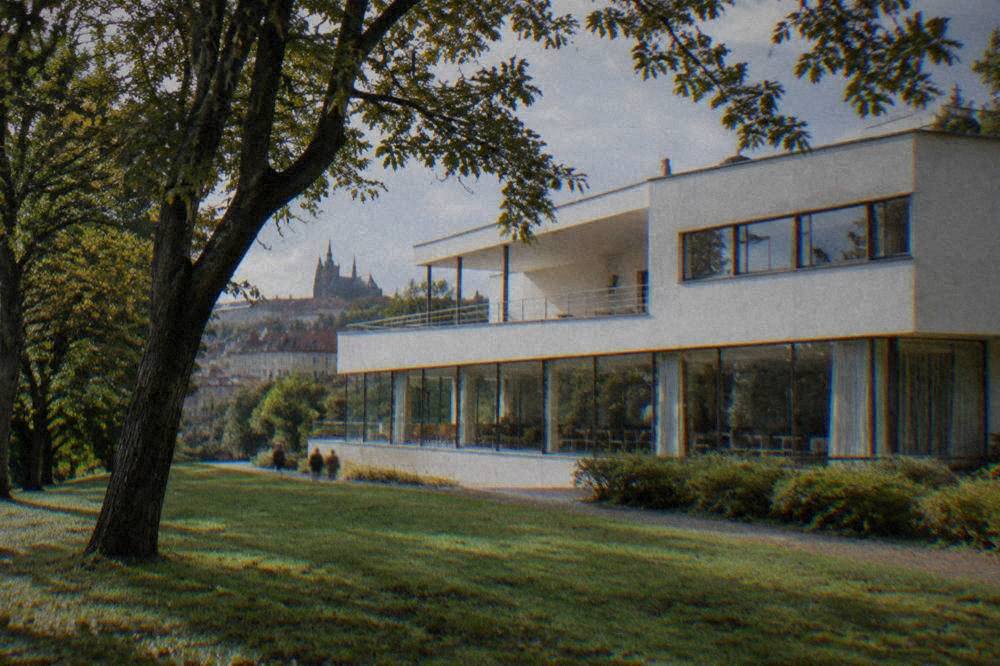
The opening year 1928 is the fact that carries the site, because it places the fairgrounds in the exact window, 1928 to 1930, in which Mies van der Rohe built Villa Tugendhat and Brno established itself as a centre of functionalist architecture. The date is reported by encyclopaedic sources rather than printed on the gate, but it anchors the fairgrounds to the city's modern era.
That three-year burst left Brno with a built identity it still trades on. Villa Tugendhat, inscribed on the UNESCO World Heritage list in 2001 as the city's only in-city site, is the famous product of the period, and the fairgrounds are its civic sibling: both belong to a city that was building for a modern state. The functionalist Brno walk itinerary strings these buildings into a route for visitors who want the architecture rather than the fairs.
The pairing matters for planning. A visitor whose real interest is modernism should treat the fairgrounds as one stop on a route that includes Villa Tugendhat and Villa Stiassni, not as a destination in itself. The villa's interior can be entered only with a previously purchased ticket booked through Brno iD, on tours in Czech and English, and the grounds of the fair complex are seen from outside unless a fair or exhibition is running.
The wider region adds its own UNESCO layer for visitors building an architecture-themed trip. Beyond the city limits lie the Lednice-Valtice Cultural Landscape, Telč, Třebíč and Kroměříž, four inscriptions that pair with the villa for a multi-day heritage route. The fairgrounds themselves carry no inscription, but they share the villa's decade and its spirit, and a visitor who books a villa tour and then walks the exhibition quarter reads both halves of the same story.
What Does A Visit During Fair Season Look Like?
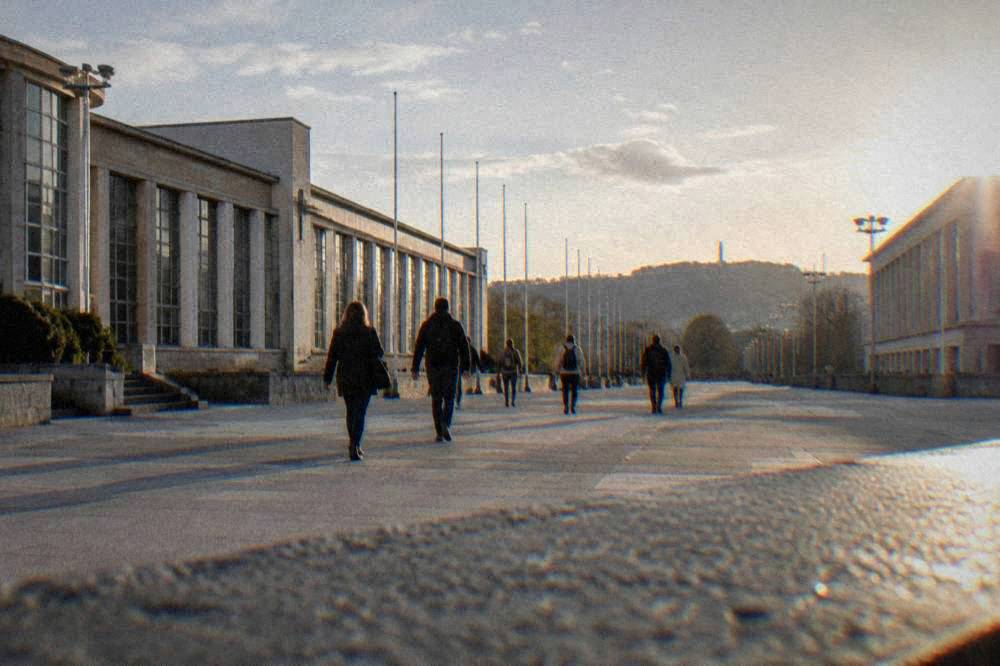
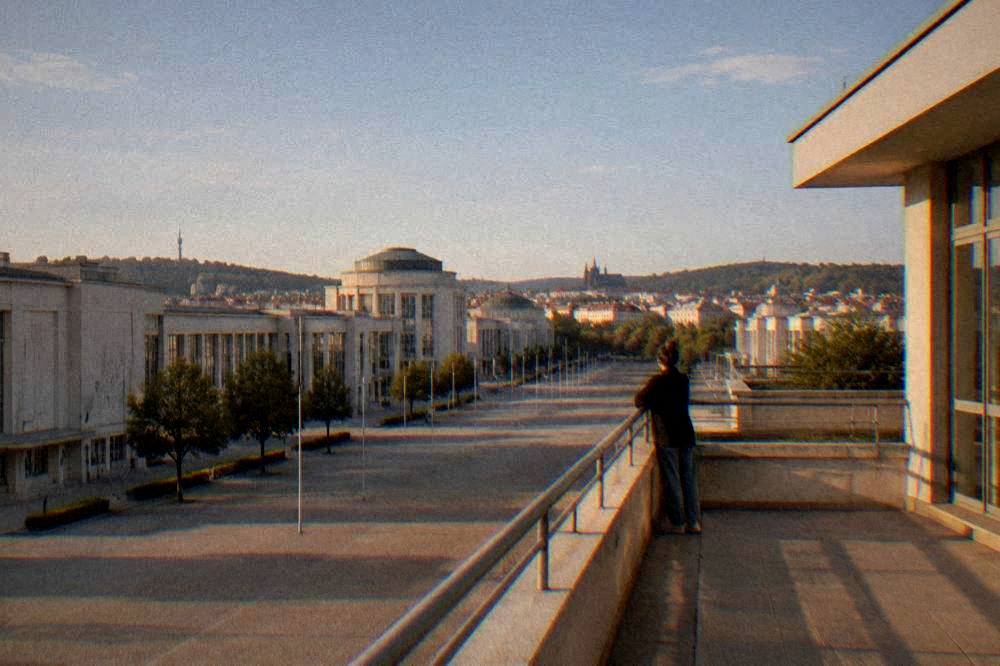
A visit during a fair is a ticketed exhibition day: you pay at the pavilion for whichever fair is running, from consumer shows to trade events, and the halls, not the architecture, are the draw. Outside fair dates the complex is a quiet quarter of Brno best appreciated on a walk, so the decision that shapes the visit is which week you choose, not which gate you enter.
The fair calendar changes year to year. What is stable is the pattern: fairs cluster in waves, hotel rooms in the city tighten, and the difference between a crowded and an empty exhibition week in Brno can be a single date shift. Confirm the fair dates on the venue's pages before booking a stay.
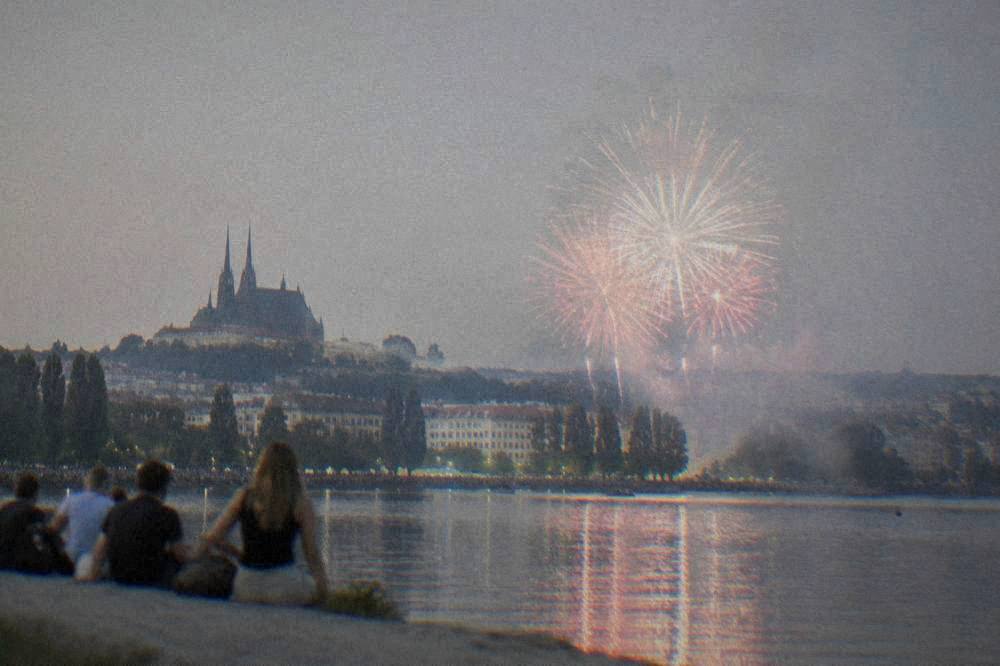
Two city-wide events also shape the calendar. Ignis Brunensis, the fireworks festival, ran 30 May to 4 July in 2026 at the Brno Reservoir, and the MotoGP Czech GP at the Automotodrom ran 19 to 21 June 2026, with the race on 21 June. The 2027 dates had not been announced. Both pull visitors to Brno in early summer independently of the fair calendar.
For travellers who prefer a structured introduction to the city rather than a self-guided one, the historical walking tour is the natural companion: it covers the centre's history and landmarks with a guide. If that suits your dates, Check availability.
If a guided stroll through the old centre appeals, book a private heritage walking tour here.
How Do You Get To The Brno Exhibition Centre?
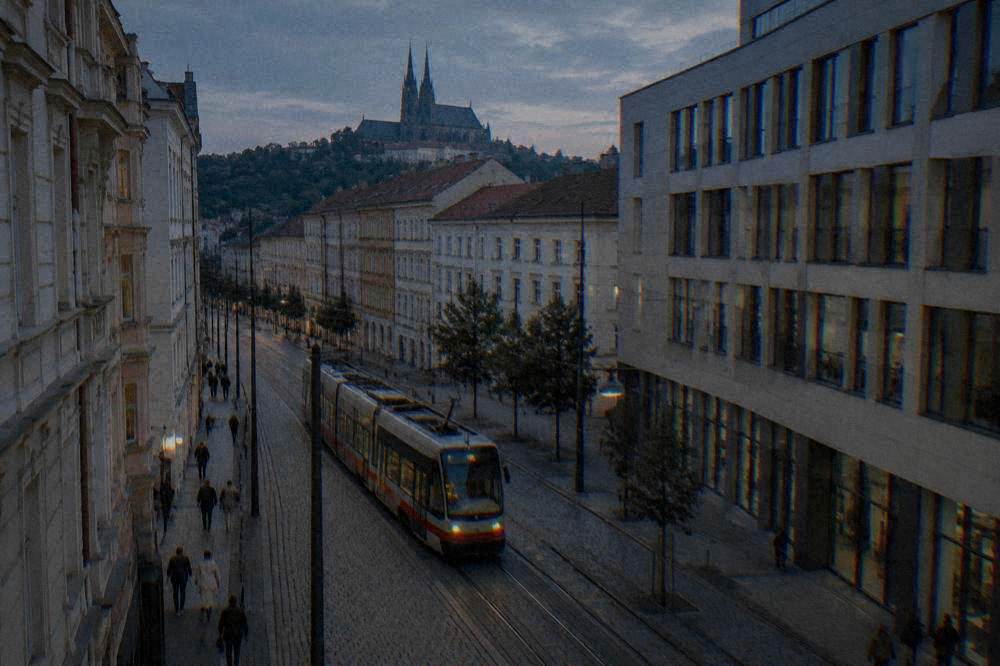
The fairgrounds sit inside Brno's public transport network, and a standard city ticket covers the ride: a 60-minute paper ticket costs 25 CZK, a 90-minute ticket 33 CZK, and a 24-hour Brno ticket 90 CZK, with the city spanning tariff zones 100 and 101. Trams and buses serve the site, and the fare system is the same one used for Špilberk, Petrov and the rest of the city.
Tickets are sold from machines and kiosks, and contactless purchase is supported on the vehicles. The prices above are the current paper fares; reduced fares exist for eligible riders. There is no special fair ticket for transport, so a visitor attending a fair simply buys the ordinary city ticket.
Arriving from farther afield, the useful facts are these. Brno-Tuřany airport lies about 8 km in a straight line from the centre, and its E76 bus runs to Hlavní nádraží in about 20 minutes for 25 CZK. Vienna Airport is connected to Brno by RegioJet and FlixBus coaches, about 1 h 50 to 2 h 40, with fares from about EUR 10, and the direct Railjet from Vienna Hbf takes about 1 h 31 min. The Railjet from Brno to Prague takes 2 h 59 min, per the operator's own advertising. The guides on Brno airport and Prague airport to Brno cover the arrival routes in detail.
| Ticket | Price | Validity |
|---|---|---|
| Paper 15 min (2 zones) | 20 CZK, 10 CZK reduced | 15 minutes |
| Paper 60 min (2 zones) | 25 CZK, 12 CZK reduced | 60 minutes |
| Paper 90 min (3 zones) | 33 CZK, 16 CZK reduced | 90 minutes |
| 24-hour Brno (zones 100+101) | 90 CZK, 45 CZK reduced | 24 hours |
| 8-trip ticket | 156 CZK, 78 CZK reduced | 8 journeys |
If you arrive with bags before check-in, self-service lockers operate 24/7 at Hlavní nádraží; the luggage storage guide explains the options.
What Functionalist Sights Pair With The Fairgrounds?
The strongest pairing is Villa Tugendhat, the UNESCO-listed house built 1928 to 1930 by Mies van der Rohe, followed by the city's other modernist buildings on the functionalist walk; the fairgrounds give the era its civic scale, the villa gives it its masterpiece. Both belong to the same few years, and both are best booked or planned ahead.
Villa Tugendhat's rules are strict and worth knowing before you commit. The interior is entered only with a previously purchased ticket booked through Brno iD, the villa is open daily except Monday from 10:00 to 18:00, and tours run in Czech and English. Prices rise on 1 January 2027, so a late-2026 visit costs less than the same ticket a few weeks later. More of these guides are collected on Brno Travel Guide.
| Villa Tugendhat tour | Full | Reduced | Family | Length |
|---|---|---|---|---|
| Extended, until 31 Dec 2026 | 500 CZK | 320 CZK | 1200 CZK | 90 min |
| Extended, from 1 Jan 2027 | 550 CZK | 330 CZK | from listing | 90 min |
| Basic, until 31 Dec 2026 | 450 CZK | 270 CZK | 1050 CZK | 60 min |
| Basic, from 1 Jan 2027 | 500 CZK | 300 CZK | from listing | 60 min |
| Outside/garden | 200 CZK | 150 CZK | 400 CZK | 40 min |
The extended tour admits groups of at most 16, with at most 3 groups per booking, and children to 6, ICOM members and ZTP/P escorts enter free. Slots are reported to sell out quickly on release day, so book the moment dates open. The full sight profile sits on the Villa Tugendhat page.
The second pairing is architectural rather than monumental. The fairgrounds and the villa together make the case for a dedicated modernism day, with Villa Stiassni as the third stop and the city's other interwar buildings strung between them on the functionalist walk. A visitor with two half-days can devote one to the modernists and one to the medieval core, Špilberk and Petrov, and leave the underground sites for a rainy stretch.
What Does Entry Cost At Brno's Other Main Sights?
Špilberk Castle is the best-value ticketed sight near the fairgrounds' orbit: the guided Story of the Castle tour costs 180 CZK full and 110 CZK reduced, with a family ticket at 415 CZK, per the castle's own ticket page, and the castle grounds themselves are open daily from 06:00 to 23:00 for free. The city's sights split between cheap castle tickets, mid-price museum entries and the underground sites, whose figures sit on the operator's page.
The Brnopas city card changes the arithmetic: at 370 CZK for one day, 490 CZK for two and 610 CZK for three (adult), it includes free entry to a selected Špilberk tour, the Ossuary, the Old Town Hall tower, the cathedral tower and the Brno Zoo. A visitor combining the fairgrounds walk with three or four ticketed sights can come out ahead, and the Špilberk Castle page details the tours.
| Sight | Full price | Reduced | Notes |
|---|---|---|---|
| Špilberk, Story of the Castle (guided) | 180 CZK | 110 CZK | Family 415 CZK, Tue to Sun, Brno iD |
| Špilberk, Casemates (guided) | 260 CZK | 155 CZK | Family 600 CZK |
| Špilberk, Casemates (self-guided) | 190 CZK | 115 CZK | Family 440 CZK, daily 09:00 to 21:00 |
| Old Town Hall tower | 90 CZK | 50 CZK | Family 200 CZK, sold only at the tower |
| Mendel Museum | 40 to 100 CZK | from listing | Tue to Sun 10:00 to 17:00, closed Monday |
| Brnopas, 1 / 2 / 3 days | 370 / 490 / 610 CZK | 250 / 330 / 400 CZK child | Free entry at listed sights |
Špilberk's own pages set the hours behind those rows: the grounds open daily 06:00 to 23:00, the ticket office and shop 09:00 to 18:00, the museum exhibitions, lookout, royal chapel and prism tower 10:00 to 18:00 Tuesday to Sunday, and the self-guided casemates and bastion 09:00 to 21:00 daily. The 10-Z Bunker, the Ossuary at St James, the Labyrinth under the Cabbage Market and the Capuchin Crypt are all run by one underground operator; check the current price on the operator's page before booking. The Ossuary is free with Brnopas. Individual guides on this site cover each one, including the Brno Ossuary and the Capuchin Crypt.
When Is The Best Time To Combine Fairs And Sightseeing In Brno?
The ERA5 reanalysis, 1991-2020, puts July's mean daily high at 25.0 C and January's mean daily low at -3.8 C, with July also carrying the heaviest monthly rainfall at 82.8 mm, so the late-spring and early-autumn shoulder months offer the most comfortable walking weather for a fair-and-sights itinerary; event dates, not weather, should set the week.
| Month | Mean high | Mean low | Rain |
|---|---|---|---|
| March | 8.9 C | 0.1 C | 39.1 mm |
| May | 19.2 C | 9.6 C | 65.8 mm |
| June | 22.9 C | 13.3 C | 74.8 mm |
| July | 25.0 C | 15.3 C | 82.8 mm |
| September | 19.5 C | 10.8 C | 64.2 mm |
| November | 7.5 C | 2.1 C | 41.5 mm |
The fixed points of the 2026 calendar were these: Ignis Brunensis ran 30 May to 4 July, the MotoGP Czech GP ran 19 to 21 June with the race on 21 June, the Vinobraní wine festival ran 25 September to 3 October on Náměstí Svobody, and the Christmas markets ran 13 November to 31 December. Each is an annual event, and those were the latest editions. Write to the organisers' pages for the next season's dates rather than assuming a repeat.
Weatherwise, a fair day is an indoor day, which makes the shoulder seasons forgiving: a rainy exhibition afternoon can hand off to Špilberk's casemates or the underground sites without wasting the ticket. Winter visits trade outdoor comfort for the Christmas markets, and the Brno in winter guide covers that season.
How Does The Fairgrounds Visit Fit Into A One-Day Brno Itinerary?
A one-day Brno plan gives the fairgrounds an hour as an architectural stop, not a half-day: the 1928 complex is walked between the city's medieval core and Villa Tugendhat's booking slot, because the compact centre, Špilberk and Petrov all sit within the same city fare zone and a single 24-hour ticket at 90 CZK covers the moves. The villa tour, not the fairgrounds, is the appointment that fixes the schedule.
The practical sequence runs: book Villa Tugendhat through Brno iD first, set the fairgrounds walk for the same half of the city, then give the rest of the day to Špilberk's grounds, the Old Town Hall tower and the squares. The Mendel Museum, which opens 10:00 to 17:00 Tuesday to Sunday and charges 40 to 100 CZK, fills a spare hour, and the cathedral's 11:00 bells mark midday on Petrov. The Brno in one day itinerary carries the full sequence with times.
Visitors with two or three days can slow the pace and add the underground sites, the Brno Zoo, or a day trip to the Moravian Karst or Lednice-Valtice; the Brno in two days and Brno in three days guides lay out both versions. Either way, the fairgrounds slot stays short: their value is the 1928 frame they put around everything else you walk past.
What Should You Know Before You Go?
Brno uses the Czech koruna, not the euro, even though Czechia is in the EU and Schengen; a reported tourist tax of 21 CZK per person per night applies in the city, so confirm at booking what your accommodation adds. Tipping runs 5 to 10 percent or a rounded total in restaurants, and tap water meets Czech drinking standards.
Practical extras worth carrying: the emergency number is 112, Bolt operates ride-hailing in Brno while Uber does not, and the city's large shops close on certain public holidays including 1 January, Easter Monday, 8 May, 28 September, 28 October and 25 to 26 December, with Christmas Eve closings from noon. The Czech koruna and money guide explains currency handling in full.
For architecture-minded visitors, the fairgrounds close a loop that starts at Freedom Square and runs through the Cabbage Market, up to the Cathedral of Sts Peter and Paul, whose bells ring at 11:00 rather than noon, and out to the modernist quarter. Three days is enough for the loop plus a day trip; the Brno in three days itinerary sequences it.
Common Questions About The Brno Exhibition Centre
When did the Brno Exhibition Centre open?
The site is reported to have opened in 1928 with an Exhibition of Contemporary Culture, in the same era as Villa Tugendhat, built 1928 to 1930 by Mies van der Rohe.
Can you visit the Brno Exhibition Centre without a fair ticket?
The complex is seen as a quarter of the city on a walk, and the halls are the draw during fairs and exhibitions. Check the venue's own calendar for open events before planning a visit.
Is the Brno Exhibition Centre connected to Villa Tugendhat?
Only by era and style: the fairgrounds opened in 1928 and the villa was built 1928 to 1930, both part of Brno's functionalist period. The villa's interior requires a pre-booked ticket through Brno iD.
How much does public transport to the fairgrounds cost?
Standard city fares apply: 25 CZK for a 60-minute paper ticket, 33 CZK for 90 minutes, and 90 CZK for a 24-hour Brno ticket covering zones 100 and 101.
What events were held in Brno in 2026?
Ignis Brunensis ran 30 May to 4 July at the Brno Reservoir, the MotoGP Czech GP ran 19 to 21 June, Vinobraní ran 25 September to 3 October, and the Christmas markets ran 13 November to 31 December.
Can the fairgrounds be part of a one-day visit to Brno?
Yes, as a short architectural stop. A one-day plan walks the 1928 complex between the medieval centre and a pre-booked Villa Tugendhat tour, with a single 24-hour transport ticket covering the moves.
The fairgrounds, the villa and the castle tell one connected story of a city that rebuilt itself around 1928 and never stopped; plan the week around the fair calendar, book Villa Tugendhat the day slots open, and the rest of Brno falls into place on foot.