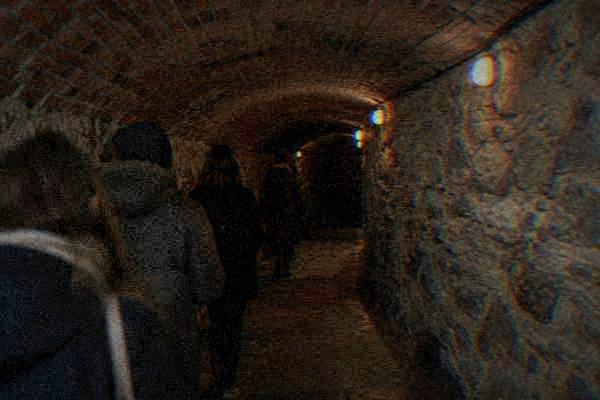
Capuchin Crypt Brno: Mummified Monks Under The Church
The Capuchin Crypt in Brno is one of four underground attractions run through the podzemibrno.cz operator, and this guide sets out what is known, what to book, and how to build a day around it.
Short answer
The Capuchin Crypt in Brno is a burial crypt beneath the Capuchin church in the city centre, operated alongside the Ossuary, the Labyrinth and the 10-Z Bunker through podzemibrno.cz; hours and tickets are listed on the operator's official page, and the Ossuary is free with a Brnopas city card.
Brno, in South Moravia, Czechia, keeps a good part of its history below street level. Beneath the Capuchin church in the city centre lies the Capuchin Crypt, a burial vault where members of the Capuchin order were laid to rest, and it belongs to a network of four underground attractions in the city that are run through a single operator, podzemibrno.cz. The crypt shares that network with the Ossuary at St James, the Labyrinth under the Cabbage Market and the 10-Z Bunker, and together they cover roughly a thousand years of the city's story, from medieval cellars to Cold War planning. This guide sets out what the operator's pages confirm, what a Brnopas city card covers, and how to pair the crypt with the rest of Brno's old centre.
What Is The Capuchin Crypt In Brno?
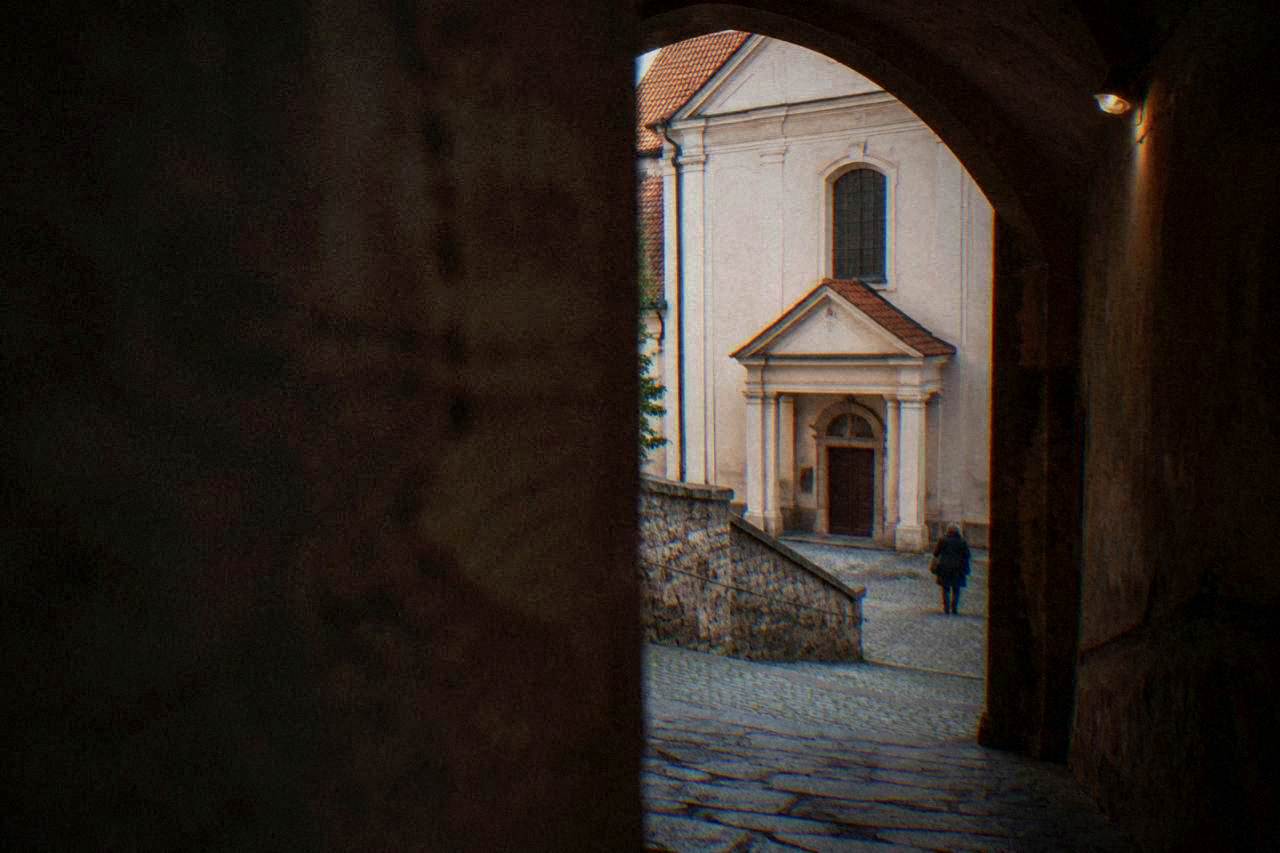
The Capuchin Crypt is a burial crypt under the Capuchin church in central Brno, holding the remains of members of the Capuchin order interred there over the centuries, and it is operated today as a visitor attraction through podzemibrno.cz, the same operator that runs the Ossuary at St James, the Labyrinth under the Cabbage Market and the 10-Z Bunker. The site is one of the stops that gives Brno its reputation for underground sightseeing. The city sits on loess soil that was easy to dig, and cellars, ossuaries and vaults accumulated under the squares and churches over the centuries. The Capuchin order arrived in Brno as part of the broader Counter-Reformation presence in Moravia, and the safest summary is the one above: a monastic burial vault, now visitable.
The crypt's draw is its stillness. Where the Ossuary at St James is a mass deposition of remains disturbed by centuries of rebuilding, the Capuchin Crypt is a monastic vault, ordered and quiet, with the burials of friars arranged in the tradition of the order. What a visit actually shows, and in what condition, is described on the operator's own pages, and the sensible move is to read those before deciding whether it suits your party; the atmosphere is sombre rather than spectacular, and that suits some travellers better than others.
The fuller discussion of who lies in the crypt, and what the remains can and cannot tell a visitor, sits on the site's dedicated answers page, whose bones are in the Capuchin Crypt. This page stays on the practical side: how visiting works, what it costs where a figure is confirmed, and what to see around it.
How Does Visiting The Capuchin Crypt In Brno Work?
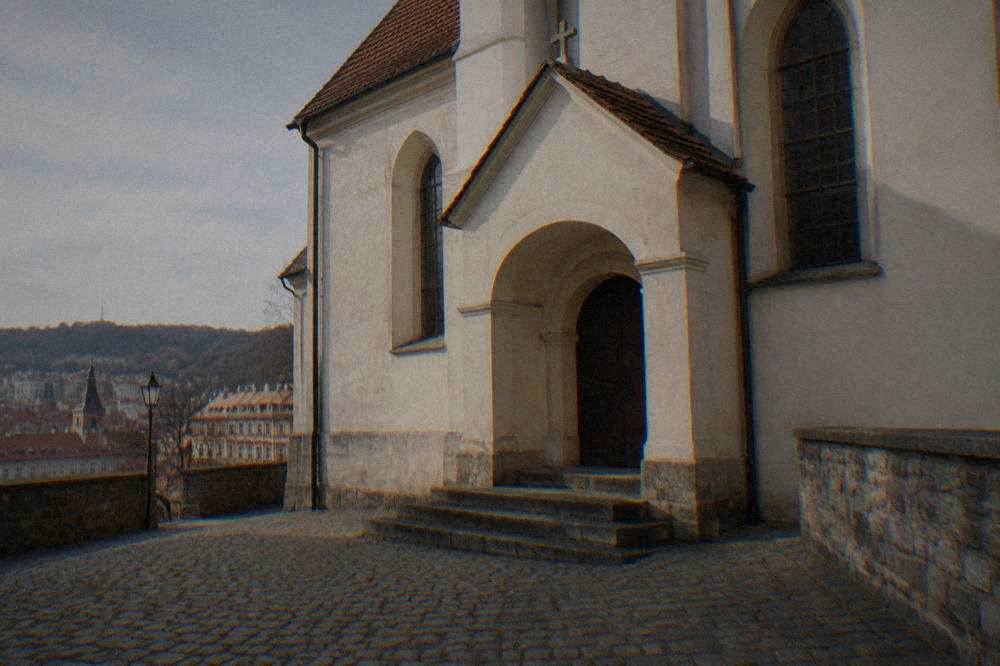
Visiting the Capuchin Crypt runs through the podzemibrno.cz operator, which manages all four of Brno's show underground sites, and tickets, opening hours and tour arrangements are listed on the operator's official page; no hours or prices for the crypt are stated here, because the operator's own page is the place to confirm them before you go. That is not a bureaucratic caveat, it is how this site works: the operator's page carries the live schedule, any planned closures, and the current ticket prices for the crypt, the Ossuary, the Labyrinth and the 10-Z Bunker in one place. The operator has previously flagged closure windows in the winter low season for its sites, so checking the page close to your travel date is the reliable pattern.
A few planning points are worth fixing in advance. The crypt sits in central Brno, within the area covered by the city's tram and bus network, so any ticket valid in tariff zones 100 and 101 gets you there. A 60-minute paper ticket costs 25 CZK and a 90-minute ticket 33 CZK, per the transport operator's published fares, and a 24-hour Brno ticket costs 90 CZK. Public transport in Brno is not free, and contactless payment is supported on the vehicles themselves.
| Ticket | Validity | Price (CZK) | Reduced (CZK) |
|---|---|---|---|
| Paper ticket, 2 zones | 15 minutes | 20 | 10 |
| Paper ticket, 2 zones | 60 minutes | 25 | 12 |
| Paper ticket, 3 zones | 90 minutes | 33 | 16 |
| 24-hour ticket, Brno zones 100 + 101 | 24 hours | 90 | 45 |
The table above reflects fares published by the city transport operator and the regional integrated system for zones 100 and 101, which is the city itself. If the crypt is one stop on a wider underground day, read the section on the other three sites below, because a combined plan changes what a Brnopas card is worth to you.
How Much Does The Capuchin Crypt In Brno Cost?
The price of a Capuchin Crypt ticket is listed on the podzemibrno.cz operator's official page, which is the only place to confirm the current figure, and this page states no number for it; what is confirmed is that the Ossuary at St James, one of the operator's other three sites, is free with a Brnopas city card, as are the Old Town Hall tower, the Cathedral of Sts Peter and Paul and Brno Zoo. That Brnopas detail matters more than it first appears. The card is sold in one, two and three-day versions, and its free-entry list is published by the city tourism office, so if the crypt is one of several paid stops on your itinerary, the arithmetic of the card versus individual tickets is worth doing on paper before you buy anything.
| Brnopas version | Adult (CZK) | Child, 15 and under (CZK) |
|---|---|---|
| 1 day | 370 | 250 |
| 2 days | 490 | 330 |
| 3 days | 610 | 400 |
| 1 day with Villa Tugendhat | 870 | 570 |
| 2 days with Villa Tugendhat | 990 | 650 |
| 3 days with Villa Tugendhat | 1110 | 720 |
The three-day card also includes a seasonal boat on the Brno Reservoir route between the Bystrc wharf and Veverská Bítýška, per the tourism office's Brnopas page. Whether the card beats single tickets depends entirely on how many of the covered sights you actually visit, and the free-entry list is published in full on that page, so the comparison takes five minutes with your own itinerary in front of you.
One warning that belongs in any Brno planning conversation: Villa Tugendhat, the city's UNESCO-listed functionalist villa, can only be entered on a tour booked in advance through Brno iD, and its prices rise on 1 January 2027. A Brnopas+ card covers a Tugendhat tour at the prices above, but the booking constraint still applies, and the villa is closed on Mondays. That is the single most common planning mistake in Brno, and it is worth fixing before anything else.
Who Lies In The Capuchin Crypt In Brno?
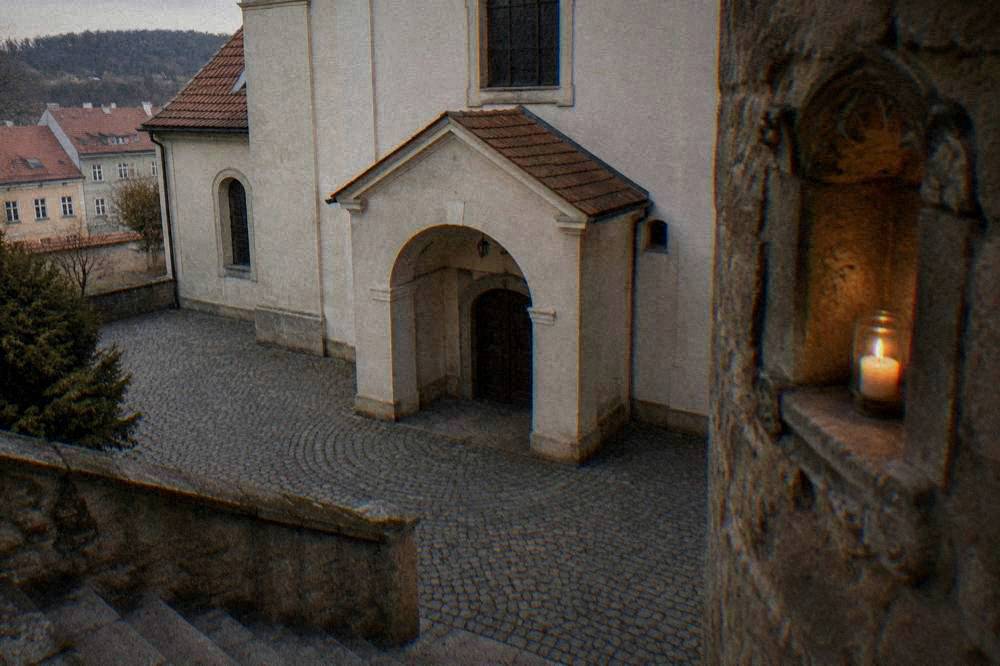
The Capuchin Crypt holds the burials of members of the Capuchin order, the friars who served the church above it, laid to rest in the vault over the centuries of the monastery's life, and the operator's visitor information frames the site as a monastic burial space rather than a mass ossuary; for the fuller question of whose remains are actually in the crypt, this site keeps a dedicated answers page. That page, whose bones are in the Capuchin Crypt, takes the question apart properly: what a monastic crypt is, how it differs from an ossuary or a catacomb, and what the Brno vault shares with Capuchin crypts in other cities. The short version for planning purposes is that the crypt is a consecrated burial space, and visitors are asked to treat it accordingly.
The distinction matters because Brno has both forms underground. The Ossuary at St James is an ossuary in the strict sense, a chamber where remains were accumulated, while the Capuchin Crypt is a crypt, a place of individual interment. The difference between the two is spelled out on the site's answers page, and it is a genuine point of confusion: the two words get used interchangeably in travel copy and they should not be. If you visit only one of the two, knowing which experience you are choosing is half the decision.
What Are Brno's Other Underground Sites?
Brno has four show underground sites, all run through the podzemibrno.cz operator: the Capuchin Crypt, the Ossuary at St James beneath the Church of St James, the Labyrinth under the Cabbage Market, and the 10-Z Bunker, a former civil defence shelter from the nuclear era; each has its own page on the operator's site for hours and tickets, and the Ossuary is free with Brnopas. The four are distinct experiences, and the table below sets out what each one is, without the figures that belong on the operator's own pages.
| Underground site | What it is | Brnopas coverage |
|---|---|---|
| Capuchin Crypt | Monastic burial vault beneath the Capuchin church | Not in the free-entry list |
| Ossuary at St James | Ossuary beneath the Church of St James | Free with Brnopas |
| Labyrinth under the Cabbage Market | Cellar complex under Zelný trh, run as guided visits | Not in the free-entry list |
| 10-Z Bunker | Former civil defence shelter from the nuclear era | Not in the free-entry list |
The Ossuary at St James sits under the Church of St James, one of the city's principal Gothic churches, which makes the pairing of the two a natural single stop. The Labyrinth under the Cabbage Market opens a different layer again, the merchant cellars under the market square, and its guided visits are the operator's way of keeping the space legible. The 10-Z Bunker is the newest chapter, a shelter built during the Cold War and later maintained as a civil defence refuge, and it rounds out a set that otherwise reaches back to the medieval city.
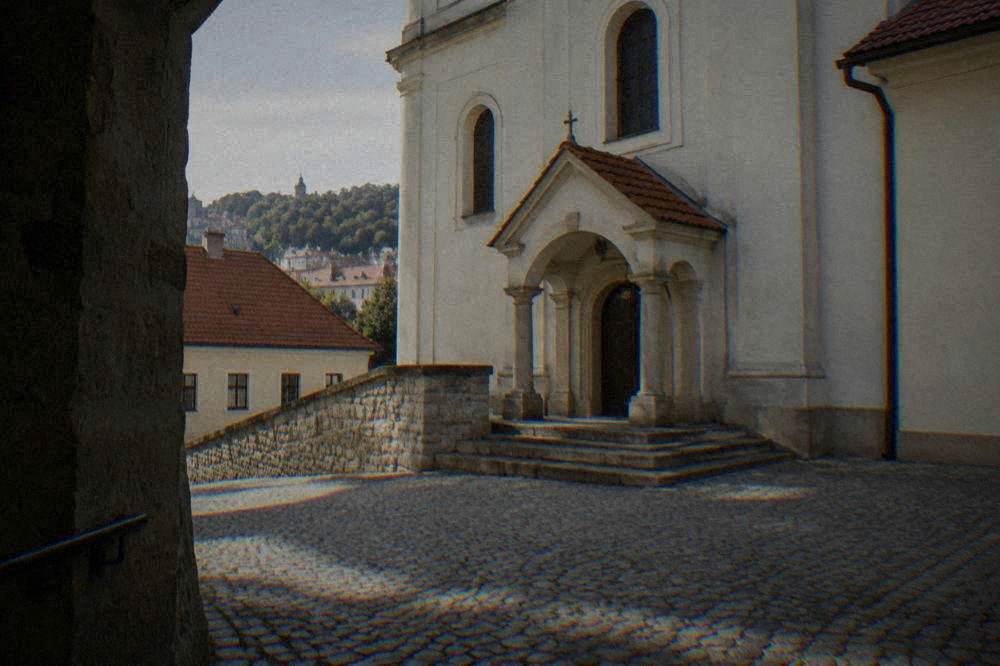
A guided walk is one way to tie the underground layer to the city above it, and Brno's Old Town rewards the connection. The first written mention of Brno dates to 1091, in the Kosmas Chronicle, and the city received its privileges in 1243 under Václav I. It became the administrative capital of Moravia in 1641, held firm against Swedish sieges in 1643 and 1645, and later grew into the manufacturing and university city it is today, with Masaryk University, founded in 1919, counting 38,181 students per its own statistics page. The crypt and its three sibling sites are the physical record of that long story, which is why a morning below ground and an afternoon above it is the shape of a good Brno day. The full index of guides sits on Brno Travel Guide.
For the legends woven through the streets above, book a Brno legends audio tour here.
What Should You Pair With The Capuchin Crypt In Brno?
The closest pairings to the Capuchin Crypt are the Basilica of the Assumption in Old Brno, the Mendel Museum at the Augustinian abbey, the Cathedral of Sts Peter and Paul on Petrov Hill, and the Old Town Hall with its tower, all central and all reachable on foot or a short tram ride, with confirmed figures for the Mendel Museum at 40 to 100 CZK and the Old Town Hall tower at 90 CZK adult, 50 CZK reduced and 200 CZK family. Those two price points are published by the tourism office and the tower's own listing, and they slot cleanly into a day that starts at the crypt.
| Sight | Confirmed entry figure | Notes |
|---|---|---|
| Old Town Hall tower | 90 CZK adult, 50 reduced, 200 family (max 2 children) | Sold only at the tower; free with Brnopas |
| Mendel Museum | 40 to 100 CZK range | Tuesday to Sunday 10:00 to 17:00 from 1 October 2026, closed Monday |
| Cathedral of Sts Peter and Paul | Tower price on site | Bells ring at 11:00, not noon |
| Basilica of the Assumption, Old Brno | No figure stated | Walk-in visit |
The Basilica of the Assumption in Old Brno is the abbey church tied to the story of Gregor Mendel, who was born in 1822 and delivered his pea-heredity lecture in Brno in 1865; the Mendel Museum sits in the same complex and covers that work directly. The Cathedral of Sts Peter and Paul on Petrov Hill has its own quirk: the bells ring at 11:00 rather than noon, in memory of the ruse that ended the Swedish siege of 1645, and the cathedral appears on the Czech 10-crown coin. The Old Town Hall holds the Brno Dragon and the legendary wagon wheel in its passage, the city's two folk symbols.
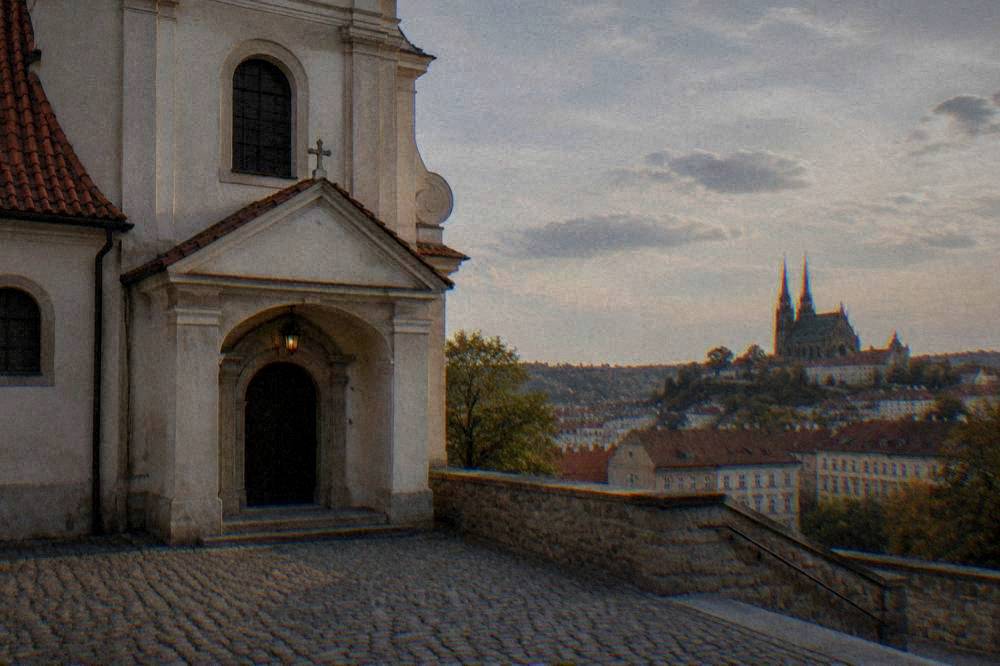
Between the crypt and the cathedral sits the rest of the old centre: Freedom Square, the Cabbage Market with its daily produce stalls, and the Astronomical Clock, the polished black sculpture that divides local opinion to this day. All of it fits inside the zone covered by a single 25 CZK tram ticket, and the whole loop, crypt included, is the backbone of the site's one day in Brno itinerary. If the sky turns wet, the underground four plus the Technical Museum and the Moravian Gallery are the indoor plan, covered on the Brno in the rain page.
Is The Capuchin Crypt In Brno Worth Visiting?
The Capuchin Crypt rewards visitors who come for stillness and history rather than spectacle: it is a genuine monastic burial space in the middle of a city with an unusual density of underground sites, it costs a single modest ticket booked or bought through one operator, and it pairs naturally with the Ossuary, the Labyrinth and the 10-Z Bunker for a full underground day, provided the operator's page confirms opening times for your date. The honest comparison is internal to Brno. The Ossuary is the more startling space; the Labyrinth is the more varied visit; the bunker is the more modern story. The crypt is the most solemn of the four, and its value depends on whether that is what you came for.
For families the calculus shifts. The Museum of Illusions entry ticket on this site is a natural complement: younger visitors who find the crypt's atmosphere heavy will take to the illusion rooms instead, and the two sit on the same day without strain. Check availability if that split day appeals, and keep the crypt on the itinerary for the adults.
How Does The Crypt Fit Into A Longer Brno Stay?
With two or three days, the crypt slots into a plan that adds Špilberk Castle, Villa Tugendhat and one day trip, and the arithmetic of a Brnopas card improves with each paid sight you add: Špilberk's guided Story of the Castle tour costs 180 CZK full and 110 CZK reduced with a family ticket at 415 CZK, and its guided Casemates tour costs 260 CZK full and 155 CZK reduced, per the castle's own ticket pages. Those two castle tickets plus the Ossuary, free with the card, already put a two-day Brnopas within range of paying for itself, and the card's published free list adds the Old Town Hall tower, the Cathedral tower and Brno Zoo on top.
| Špilberk Castle ticket | Full (CZK) | Reduced (CZK) | Family (CZK) | |---|---|---| | Story of the Castle, guided | 180 | 110 | 415 | | Casemates, guided | 260 | 155 | 600 | | Casemates, self-guided | 190 | 115 | 440 |
Špilberk Castle covers another register of Brno's past entirely: the fortress above the city became a Habsburg prison in 1783 under Joseph II and held political prisoners from across the empire. The castle grounds open daily from 6:00 to 23:00, the museum exhibitions run Tuesday to Sunday 10:00 to 18:00, and the self-guided Casemates and Bastion are open daily 9:00 to 21:00, per the castle's published schedule, with guided tours booked through Brno iD. Villa Tugendhat, built 1928 to 1930 by Ludwig Mies van der Rohe and inscribed by UNESCO in 2001, completes the city set, always with the advance-booking rule in mind.
Beyond the city, the day-trip list is long: the Moravian Karst with the Punkva Caves, the Lednice-Valtice Cultural Landscape, Mikulov and the Pálava hills, Slavkov and the Austerlitz battlefield of 2 December 1805, and the UNESCO towns of Telč, Třebíč and Kroměříž. The site carries dedicated pages for all of them, and the things to do in Brno roundup is the place to start when the itinerary grows past two days.
Common Questions About The Capuchin Crypt In Brno
What is the Capuchin Crypt in Brno?
It is a burial crypt beneath the Capuchin church in central Brno, holding the interred remains of members of the Capuchin order, and it is run as a visitor site through the podzemibrno.cz operator together with the Ossuary at St James, the Labyrinth under the Cabbage Market and the 10-Z Bunker.
How much does the Capuchin Crypt in Brno cost?
The current ticket price is listed on the operator's official page at podzemibrno.cz, which is where to confirm it before visiting. The Ossuary at St James, a separate site under the same operator, is free with a Brnopas city card.
Whose bones are in the Capuchin Crypt in Brno?
The crypt holds the burials of Capuchin friars from the monastery's history. The full discussion of what is known about the remains sits on this site's dedicated answers page on whose bones are in the Capuchin Crypt.
What is the difference between the Capuchin Crypt and the Brno Ossuary?
A crypt is a place of individual burial, while an ossuary is a chamber where remains were accumulated. Brno has both: the Capuchin Crypt is the monastic vault, and the Ossuary at St James, under the Church of St James, is the deposition chamber, free with Brnopas.
Can you visit the Capuchin Crypt with a Brnopas city card?
The crypt is not on the Brnopas free-entry list. The card's published free list covers the Ossuary, the Old Town Hall tower, the Cathedral of Sts Peter and Paul tower and Brno Zoo, so the crypt's ticket is bought separately through the operator.
Is the Capuchin Crypt in Brno suitable for children?
That is a judgement for each family: the space is a consecrated burial vault and the atmosphere is sombre. Families splitting up sometimes pair the crypt with a lighter stop such as the Absurdia museum of illusions, whose entry ticket is available through this site.