Money In Brno: Czech Koruna, Cards, Atms And Tipping
Brno prices everything in the Czech koruna, not the euro. Here is what that means for cards, cash, ATMs, tickets, the tourist tax and tipping.
Short answer
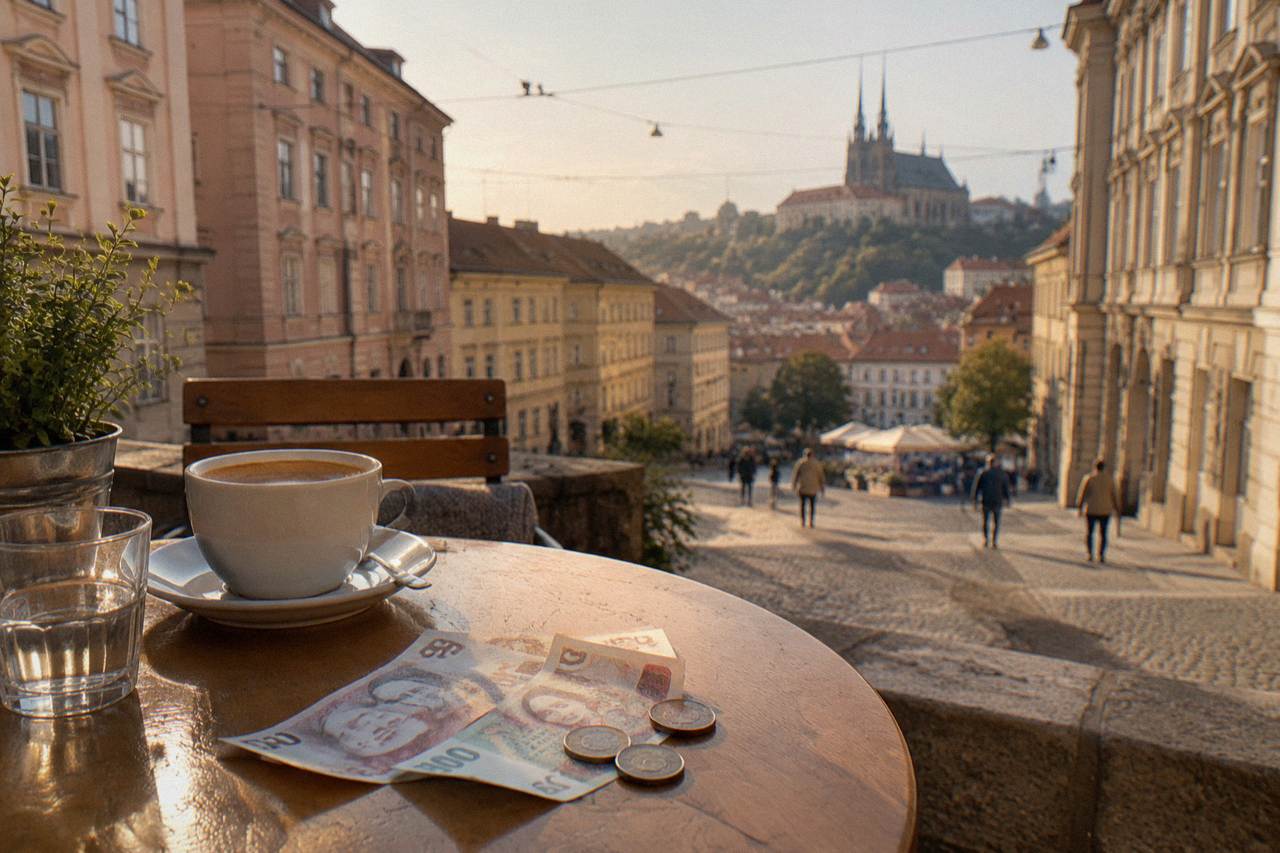
Brno uses the Czech koruna (CZK). Czechia is in the EU and Schengen but not the eurozone, cards are widely accepted, bank ATMs give the safest cash withdrawal, tipping runs 5 to 10 percent or a rounded total, and the reported tourist tax is 21 CZK per person per night.
Brno, in South Moravia, Czechia, is a city of 404,296 permanent residents that prices everything in the Czech koruna (CZK), and that single fact shapes almost every money decision a visitor makes. Czechia sits in the European Union and the Schengen area, but it is not in the eurozone, so the euro you carried from Vienna or the coins left over from a euro-zone trip will not pay for a tram ride to Špilberk Castle. Visitors need to know which tickets cost what in koruna, where a card works, how the ATM question is best handled, what the reported tourist tax adds to a hotel bill, and how tipping is done. The Brno Travel Guide desk reports figures from primary sources throughout, and prices quoted below are in CZK exactly as the operators list them, never converted.
What Currency Does Brno Use?
Brno uses the Czech koruna (CZK), the currency of Czechia, and the euro is not official tender in the city even though Czechia is an EU and Schengen member. Every price on a Brno ticket page, tram ticket and restaurant bill is quoted in koruna, so a visit means either paying by card in koruna or holding koruna cash. Czechia's euro status is reported as non-eurozone, and no date for adopting the euro applies to a trip now.
The koruna is abbreviated CZK in international contexts and Kč on price tags across Brno. The distinction matters most for arrivals: visitors coming from Vienna, about 111 km away in a straight line, or from euro-zone Slovakia, cross into a different currency zone, and any euro cash they hold will be accepted only where a shop chooses to take it, if at all. Paying by card sidesteps the question, because the card network does the conversion at the till and the bill is charged in koruna.
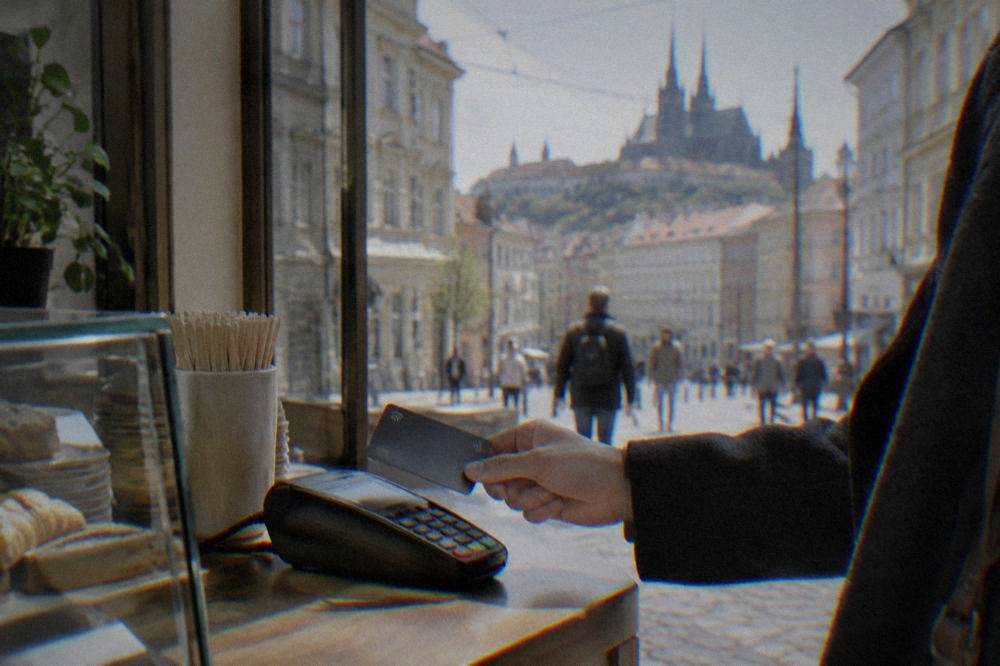
Card payments are widely used in Brno, per general Czech payment guidance, and contactless purchase is supported on the city's buses and trams. The practical takeaway from the transit operator's own ticketing pages is that a visitor can ride all day without ever holding a banknote, buying tickets from machines, by contactless card on board, or through the operator's app. Cash still matters for small purchases and for the few counters that prefer it, but the koruna is a card-friendly currency in this city.
How Much Does Public Transport Cost In Brno?
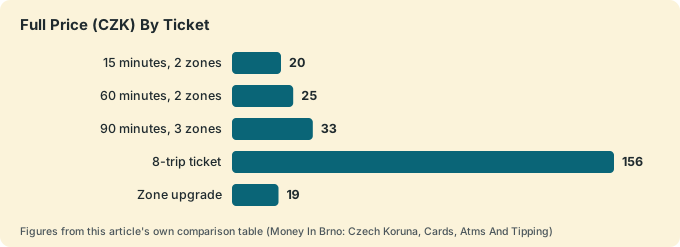
A 15-minute paper ticket on Brno's trams and buses costs 20 CZK full price, a 60-minute ticket costs 25 CZK and a 90-minute ticket costs 33 CZK, per the operator's own fare page, with reduced fares of 10, 12 and 16 CZK. A 24-hour ticket covering the city's two tariff zones costs 90 CZK full price or 45 CZK reduced. All fares are in koruna and are never converted.
The city's transit network, run by DPMB inside the IDS JMK regional system, treats Brno as tariff zones 100 and 101, and the operator's paper-ticket page lists the fares directly. Those fares apply from 1 October 2026, so a ticket bought in the city now is bought at these prices. The same page lists an 8-trip ticket at 156 CZK full price and 78 CZK reduced, and a zone upgrade at 19 CZK, useful when a day trip reaches outside the city zones.
| Ticket | Full price (CZK) | Reduced (CZK) |
|---|---|---|
| 15 minutes, 2 zones | 20 | 10 |
| 60 minutes, 2 zones | 25 | 12 |
| 90 minutes, 3 zones | 33 | 16 |
| 8-trip ticket | 156 | 78 |
| Zone upgrade | 19 | 9 |
Multi-day options sit alongside the singles. A 24-hour Brno ticket covering zones 100 and 101 is 90 CZK full price, per the IDS JMK tourist ticket page, and a 24-hour all-zones version is listed at 250 CZK, with 230 CZK also shown on the operator's page. A 3-day all-zones ticket is reported at 420 CZK full price and 210 CZK reduced, and a 5-day Brno ticket at 250 CZK; those two rows come from the same page via a live search, so confirm them at the ticket machine or in the app before committing to the longer option.
| Multi-day ticket | Zones | Full price (CZK) | Reduced (CZK) |
|---|---|---|---|
| 24-hour Brno | 100 + 101 | 90 | 45 |
| 24-hour all zones | All | 250 | 230 shown as full/reduced pair on operator page |
| 3-day all zones | All | 420 (reported) | 210 (reported) |
| 5-day Brno | 100 + 101 | 250 (reported) | not listed |
The money angle is simple: transit is the cheapest thing a visitor buys in Brno, and it is fully payable by card. The full transport picture, including airport buses and night lines, is on the Brno public transport guide, and arrival logistics are covered in how to get to Brno.
What Do Tickets To Brno's Sights Cost In Koruna?
A guided Story of the Castle tour at Špilberk Castle costs 180 CZK full price, 110 CZK reduced and 415 CZK for a family, per the castle's own ticket page, while a guided Casemates tour is 260 CZK full and 155 CZK reduced. Villa Tugendhat's Basic tour is 450 CZK until 31 December 2026 and 500 CZK from 1 January 2027. The Old Town Hall tower is 90 CZK adult.
These are the anchor prices of a Brno sightseeing budget, and they come straight from the operators' pages. At Špilberk, the self-guided Casemates route is 190 CZK full price and 115 CZK reduced with a 440 CZK family ticket, and the combined Story of the Castle plus museum ticket is 260 CZK full, 155 CZK reduced and 600 CZK family, per the castle's ticketing page. Guided tours run Tuesday to Sunday with bookings through the Brno iD system, which is the same platform the Villa Tugendhat booking uses.
| Špilberk Castle ticket | Full (CZK) | Reduced (CZK) | Family (CZK) |
|---|---|---|---|
| Story of the Castle, guided | 180 | 110 | 415 |
| Casemates, guided | 260 | 155 | 600 |
| Casemates, self-guided | 190 | 115 | 440 |
| Story of the Castle + museum, combined | 260 | 155 | 600 |
| Water Tanks guided tour | 120 basic | not listed | not listed |
Villa Tugendhat, the UNESCO World Heritage house inscribed in 2001, prices its Extended 90-minute tour at 500 CZK full, 320 CZK reduced and 1,200 CZK family through 31 December 2026, rising to 550 CZK full and 330 CZK reduced on 1 January 2027. The Basic 60-minute tour is 450 CZK full and 270 CZK reduced until the same date, then 500 CZK and 300 CZK. Interior entry is only possible with a previously purchased ticket booked through Brno iD, the villa is closed Mondays, and reported demand means tours can sell out on release day, so the booking, not the cash, is the scarce resource. The Villa Tugendhat tickets guide walks through the booking system in detail.
| Villa Tugendhat tour | Full to 31 Dec 2026 (CZK) | Full from 1 Jan 2027 (CZK) | Reduced to 31 Dec 2026 (CZK) |
|---|---|---|---|
| Extended, 90 minutes | 500 | 550 | 320 |
| Basic, 60 minutes | 450 | 500 | 270 |
| Outside/garden, 40 minutes | 200 (reported) | not yet listed | 150 (reported) |
Smaller sights round out the budget. The Old Town Hall tower, home of the Brno dragon and wheel, charges 90 CZK adult, 50 CZK reduced and 200 CZK for a family of up to two children, with tickets sold only at the tower itself, per the city tourism page. The Mendel Museum lists entry between 40 and 100 CZK depending on ticket type, and since 1 October 2026 it opens Tuesday to Sunday 10:00 to 17:00 and closes Mondays. One ticketed Brno attraction sidesteps the on-the-day queue entirely: the 10-Z Bunker sells a skip-the-line entry ticket through the operator's live listing, and it can be Check availability reserved in advance so the koruna amount is paid by card before arrival.
Is There A Tourist Tax In Brno?
Brno's tourist tax is reported at 21 CZK per person per night, with children under 18 and certain disabled guests exempt, according to a third-party page citing the city ordinance. It is a reported figure rather than a number the city's own tourism pages list, so confirm the amount at booking. The tax is charged by accommodation providers, not at attractions.
Twenty-one koruna per night is a small line on a hotel bill, but it is the kind of figure that varies by city, and Brno's number comes from a page that cites the municipal ordinance rather than from the ordinance page itself. The practical advice is to treat it as roughly correct, expect it to appear on the accommodation invoice, and ask the property to itemise it at check-in if the total looks off. The exemption rules mean a family trip pays it only for the adults.
The tax is separate from everything else on this page. It does not buy a transit ticket, it is not a museum pass, and it does not affect card or cash choices. It is simply a per-night charge that exists in the background of any stay, and the where to stay in Brno guide covers the accommodation landscape without quoting nightly rates, because none are published in the source material.
Do You Tip In Brno?
Tipping in Brno runs 5 to 10 percent of the bill or a rounded-up total for good table service, per general Czech tipping guidance, and it is common to state the total you want to pay, bill plus tip, when handing over payment. There is no fixed obligation, and counter service like bakery or café orders does not carry the same expectation.
The Czech habit, as reported by guides to Czech restaurant etiquette, differs from the American one: rather than leaving cash on the table, the diner tells the server the final figure. When the bill arrives, naming a rounded figure above it hands over a tip inside the reported 5 to 10 percent band. Card payments make this slightly awkward, which is one reason a small reserve of koruna notes is worth having even in a card-friendly city.
| Situation | Reported practice | Notes |
|---|---|---|
| Restaurant table service | 5 to 10 percent or round up | State the total when paying |
| Café or bakery counter | Round up or leave small change | No set expectation |
| Taxi or ride-hailing | Round up | Bolt operates in Brno, reported |
| Guided tours | Tip at your discretion | Free walks are tip-based by design |
One Brno-specific note: the city has two free walking tours, which are free to join with payment at the end being whatever the walker chooses to give. That model makes the tip the entire price of the tour, so budgeting for it in koruna cash is the practical approach, and the free walking tour guide explains how those walks work. For food spending generally, the what to eat in Brno guide covers the dishes worth the money.
Are Cards Accepted Everywhere In Brno?
Cards are widely used in Brno and contactless payment is supported directly on the city's trams and buses, per the transit operator's ticketing pages, so a card-only day of sightseeing is realistic for transport, attraction bookings and larger shops. Cash remains useful for markets, small counters and tips, and the euro is not a substitute for either.
The transit system is the clearest evidence. The operator's pages describe tickets available from machines, by contactless card on board, from drivers in koruna or by card, and through apps, meaning the single most frequent payment a visitor makes in Brno can be entirely cashless. Attractions increasingly follow the same pattern: Špilberk's guided tours book through the Brno iD platform, an online purchase, and Villa Tugendhat books exclusively that way. The counter-example is the Old Town Hall tower, whose tickets are sold only at the tower itself, so a visitor without koruna cash should still carry a card and expect to use it there.
The card advice that matters is about the terminal, not the city. When a card terminal offers to charge in your home currency instead of koruna, declining that choice keeps the conversion with your bank's rate, which is general card guidance rather than a Brno-specific rule. The same logic applies to ATMs.
How Should You Handle ATMs And Cash Withdrawals In Brno?
Use bank-owned ATMs in Brno rather than independent machines, per general Czech payment guidance, because independent machines carry high fees. Withdraw koruna, not euros, and decline any on-screen offer to convert the amount into your home currency, since the machine's conversion rate is worse than your bank's. A single moderate withdrawal beats several small ones.
The named risk in the guidance is the standalone currency machine of the kind found near stations and squares, which pairs a poor rate with a fixed fee. Bank ATMs, the ones attached to actual bank branches, apply the network rate and a transparent fee. The amount to withdraw follows the trip's cash needs, which for a Brno visit are modest: transit can be card-paid, the main prepaid attractions are booked online, and cash mostly serves markets, small counters and tips. A visitor carrying the equivalent of a day's small purchases in koruna, plus a tip reserve, has covered the realistic cash cases.
Leftover koruna at trip's end are a known problem for a landlocked currency with little demand abroad. Spending them down on the last day, on market food or a final coffee, is easier than exchanging a small remainder back home, and the Brno on a budget guide has more on where small amounts of money go furthest.
Is The Brnopas City Card Worth The Money?
The Brnopas city card costs 370 CZK for one day, 490 CZK for two days and 610 CZK for three days at adult price, per the city's own Brnopas page, and includes free entry to the Old Town Hall tower, the Ossuary, the Brno Zoo and the cathedral tower, plus a selected Špilberk tour. A three-day card also includes a seasonal boat on the Brno Reservoir.
The arithmetic depends on pace. The free-entry list, as published by the city tourism office, stacks several paid sights against the card's fixed price, and the Špilberk inclusion covers a selected castle tour rather than every option. Child prices run 250, 330 and 400 CZK for the same durations. The premium Brnopas+ variants bundle Villa Tugendhat, which is otherwise booked separately through Brno iD, at 870, 990 and 1,110 CZK adult for one, two and three days; that bundling only pays if a Tugendhat tour actually fits the itinerary, and the villa's reported sell-outs mean the card does not guarantee a slot.
| Brnopas option | 1 day (CZK) | 2 days (CZK) | 3 days (CZK) |
|---|---|---|---|
| Adult | 370 | 490 | 610 |
| Child up to 15 | 250 | 330 | 400 |
| Brnopas+ adult with Villa Tugendhat | 870 | 990 | 1110 |
| Brnopas+ adult with Water Tanks | 550 | 670 | 790 |
The full breakdown, including the free-entry list and the boat inclusion, is on the Brnopas guide. In pure currency terms the card is a koruna product bought in koruna, and it removes several small cash transactions from a trip, which suits the card-first visitor.
What Does A Brno Day Trip Cost In Koruna?
The day-trip prices from Brno are Lednice Chateau's Tour I at 280 CZK adult and 200 CZK reduced, Tour II at 220 and 160 CZK, and the combined ticket at 420 and 300 CZK, per the chateau's own page, while Pernštejn Castle's basic tour is 260 CZK adult, 210 CZK for seniors and youth, and 80 CZK for children aged 6 to 17. Pernštejn is seasonal and closed in winter.
Both castles publish their own prices, which makes them the safest figures to plan around. Lednice, in the UNESCO-listed Lednice-Valtice Cultural Landscape about 46 km from Brno in a straight line, also offers an English audio guide at 50 CZK, with the park free to enter and children under 6 free on tours. Pernštejn, about 35 km away in a straight line, was closed from 3 November 2025 to 3 April 2026 and runs weekend-only hours in autumn, so its own opening page is the thing to check before planning the money around it. The Punkva Caves in the Moravian Karst run tours of about 60 minutes with an underground boat, and the cave administration sells through its own booking portal, so check the current price on the official ticket page before booking.
| Day-trip sight | Adult (CZK) | Reduced (CZK) | Child (CZK) |
|---|---|---|---|
| Lednice Chateau, Tour I | 280 | 200 | under 6 free |
| Lednice Chateau, Tour II | 220 | 160 | under 6 free |
| Lednice Chateau, combined | 420 | 300 | under 6 free |
| Lednice English audio guide | 50 | not listed | not listed |
| Pernštejn Castle, basic tour | 260 | 210 | 80 for ages 6 to 17 |
The planning rule for these destinations is simple: buy regional train tickets in koruna at Brno hlavní nádraží or in the operator's app, and expect the fare to be a small part of the day's cost relative to the castle tickets. The Moravian Karst guide and the Lednice-Valtice guide cover the itineraries.
How Does The Weather Affect Your Brno Budget?
Brno's climate normals, per the ERA5 reanalysis for 1991-2020, show a July mean daily high of 25.0 C against a January mean daily low of -3.8 C, with July also carrying the highest monthly rainfall in the table at 82.8 mm, so a summer visit spends more on outdoor sights and a winter visit shifts spending indoors toward museums, bunker tours and the Christmas markets.
The seasonal money shift is straightforward. The December Christmas markets ran 13 November to 31 December in 2026, per the organiser's site, and cold-month spending moves toward ticketed indoor sights, from Špilberk's exhibitions to the 10-Z Bunker. The warm months from May through September, with mean highs of 19.2 to 25.0 C per the ERA5 table, put the free outdoors, the castle grounds open daily 6:00 to 23:00, and the Brno Reservoir into the plan. The Brno weather guide and best time to visit Brno guide carry the full climate table.
Should You Exchange Money Before Arriving In Brno?
Exchanging money before arriving in Brno is unnecessary for a card-first trip, because transit, attraction bookings and larger purchases all take cards, and any koruna cash you do need can come from a bank ATM in the city at the network rate. The euro is not spendable as local currency, so pre-trip euros solve nothing, and airport exchange desks are the last resort rather than the plan.
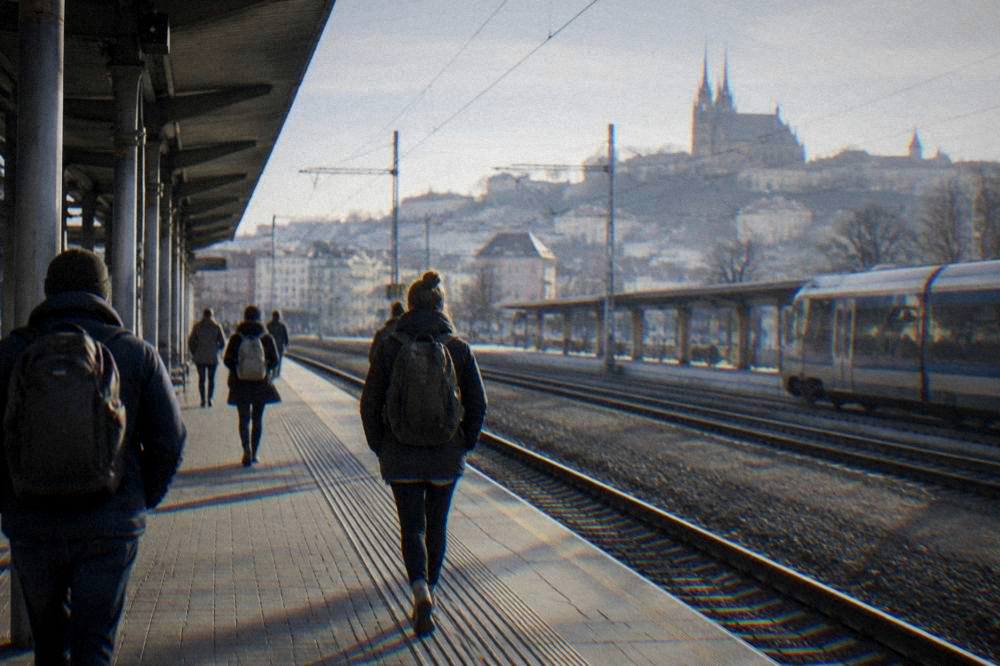
The reasoning follows the payment map above. The two purchases every visitor makes, transit and at least one attraction ticket, are card or online payments at official prices. What remains for cash is the tip reserve, market snacks and the odd counter, a modest amount that a single bank ATM withdrawal covers. Visitors arriving by train find the station in the city centre, and self-service luggage lockers are available there around the clock, per a reported listing, which means a money run into the centre works before or after check-in.
For the arrival itself, the practical pages are the Brno train station guide and, for flyers, the Brno airport guide, with the airport bus to the main station reported at 25 CZK. Vienna-based arrivals have the Vienna to Brno route guide, and Prague arrivals the Prague to Brno guide, each with the crossing from euro or into the Czech system handled at the border of the itinerary rather than at a bureau de change.
Common Questions About Money In Brno
Does Brno use the euro?
No. Brno uses the Czech koruna (CZK). Czechia is an EU and Schengen member but not in the eurozone, so the euro is not official tender in the city and every posted price is in koruna.
How much should I tip in Brno?
Reported Czech practice is 5 to 10 percent of the bill or a rounded-up total for good restaurant table service, with the total, bill plus tip, stated to the server when paying. Counter service carries no set expectation.
Can I pay by card on Brno trams and buses?
Yes. The transit operator's ticketing pages list contactless purchase on board, plus machines, drivers and app purchases, so a full day of riding needs no cash at all.
Is there a tourist tax in Brno?
A tourist tax of 21 CZK per person per night is reported by a third-party page citing the city ordinance, with children under 18 and certain disabled guests exempt. Confirm the amount with your accommodation at booking.
Where should I withdraw koruna in Brno?
Use bank ATMs rather than independent machines, per general Czech guidance, withdraw koruna rather than euros, and decline any terminal offer to convert the amount into your home currency.
Is the Brnopas city card good value?
The card costs 370, 490 and 610 CZK for one, two and three adult days and includes free entry to the Old Town Hall tower, the Ossuary, the Brno Zoo and the cathedral tower plus a selected Špilberk tour, so value depends on how many of those a trip actually visits.