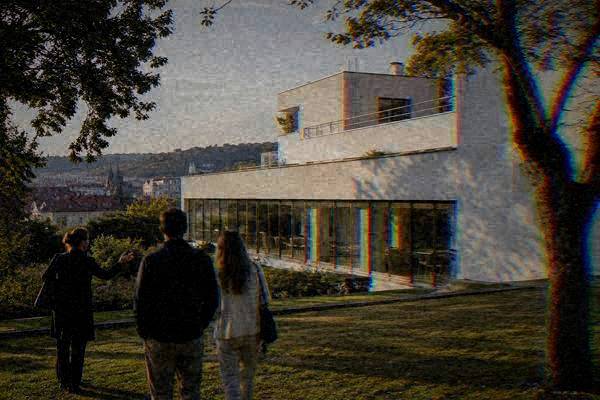
Who Designed The Brno Chair?
The Brno chair carries the city's name and its story runs through Villa Tugendhat, Brno's UNESCO-listed modernist house. What is documented, what is attributed, and how to see the villa today.
Brno, a city of about 404,000 residents in South Moravia, Czechia, gave its name to one of the most recognisable chairs in modern design: a cantilevered seat in tubular steel that appears in design collections around the world under the label "Brno chair". The question of who exactly designed it is genuinely asked, and this page works through what the documented record supports, which in Brno means one building above all: Villa Tugendhat, built between 1928 and 1930 by Ludwig Mies van der Rohe and inscribed on the UNESCO World Heritage list in 2001. What the villa's own pages document precisely is the house, its tours and its ticketing; the attribution of the chair itself is a design-history question that this site does not settle with a name, and readers chasing the definitive answer should check the villa's own documentation and the museum catalogues that study the house.
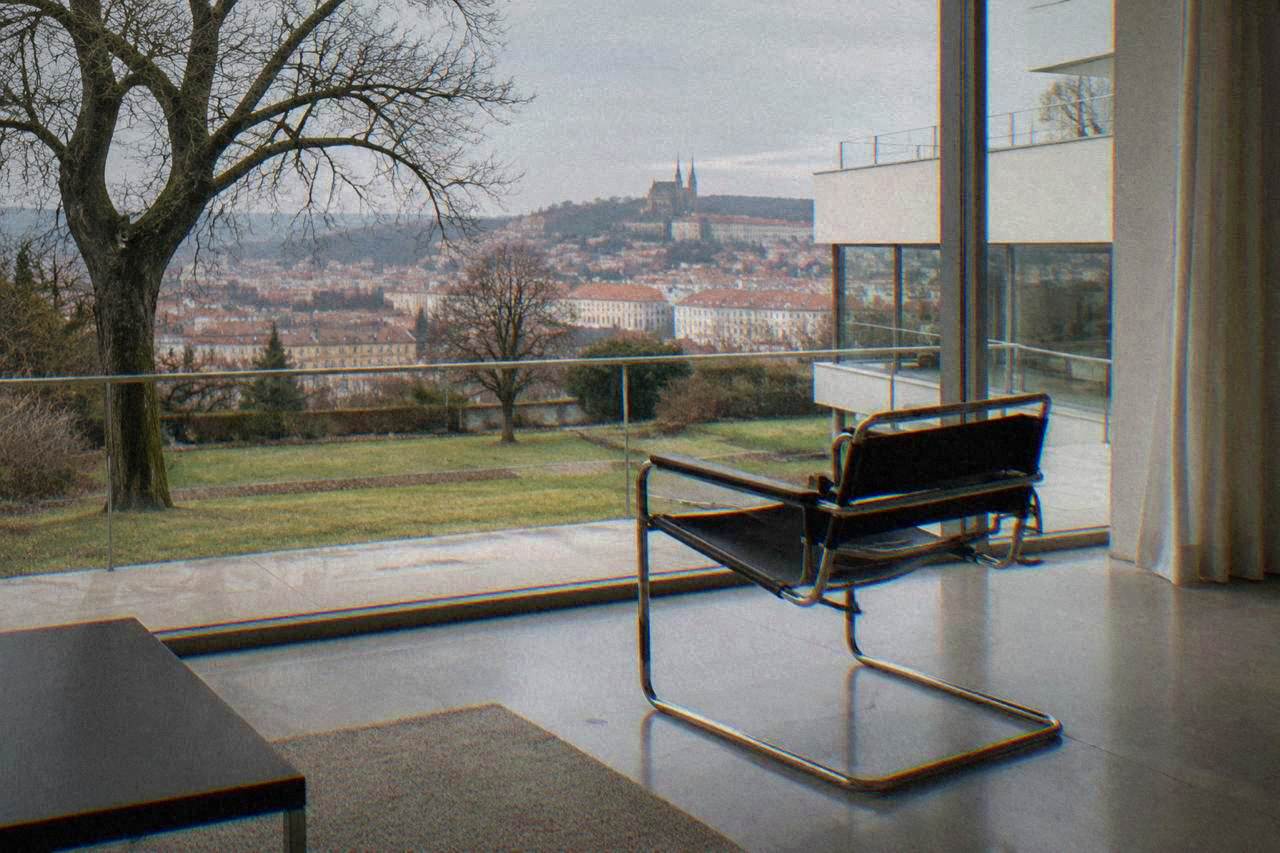
Who Designed The Brno Chair?
The Brno chair takes its name from the city of Brno, Czechia, and its documented story runs through Villa Tugendhat, the house built between 1928 and 1930 by Ludwig Mies van der Rohe, which was inscribed by UNESCO in 2001. This site reports what primary sources document about the villa and its era; the attribution of the chair's design itself is a design-history claim that the primary record leaves without a settled name, so confirm it with the villa's own documentation before repeating it as fact.
That split between the building and the chair matters more than it first appears. The villa's dates, its architect and its UNESCO inscription are stated on the villa's own site and are printed plainly on this page's table below. The chair's authorship, by contrast, circulates in design writing in several versions, and this site's editorial standard is to print only what a primary source states. So the honest answer has two halves: a firmly documented house in Brno that gave the chair its stage, and a contested attribution that each design museum treats in its own catalogue entry.
What is not contested is why the chair matters to visitors. Brno treats its modernist architecture as a living part of the city, not a museum footnote, and the villa is the centrepiece of that story. A page like why Villa Tugendhat is famous covers the house itself in more depth, while this one follows the chair, the era and the practical business of getting inside the building that made the name famous.
Why Does A Chair Carry Brno's Name?
The chair is named after Brno because it is associated with Villa Tugendhat, the house completed in Brno between 1928 and 1930, and the name stuck as the design entered production and museum collections worldwide. The villa is the city's single UNESCO World Heritage site, inscribed in 2001, and the chair's name keeps the city attached to the design wherever the object travels. That much is documented; the finer details of authorship belong to design-history scholarship rather than to a travel page.
Design names of this kind work like place names on wine or cheese: the object travels, the name anchors it to where it came from. In this case the anchor is one of the most studied houses of its era, built for a family in Brno at the end of the 1920s, and the chair entered the world as part of that commission's furniture. The years are firm. Construction ran 1928 to 1930, the architect is named on the villa's own site, and UNESCO followed in 2001.
The 1920s and 1930s were a productive period for architecture in Brno generally, and the villa stands at the head of a wider cluster of modernist work that the city still markets as a reason to visit. Readers planning around that heritage will find the practical outline in how many days do you need in Brno, which balances the villa against the Old Town squares, Špilberk Castle and the day-trip options in South Moravia.
To explore that modernist cluster with a guide, book a private heritage walking tour here.
Can You See Villa Tugendhat In Brno Today?
Yes, and the rules are strict: the interior of Villa Tugendhat in Brno is entered only with a previously purchased ticket booked through Brno iD, the house is open daily except Monday from 10:00 to 18:00, and tours run in Czech and English. The villa's own ticket page lists an Extended tour at 500 CZK full and 320 CZK reduced until 31 December 2026, rising to 550 and 330 CZK on 1 January 2027, with a Basic tour at 450 and 270 CZK rising to 500 and 300.
The booking rule is the one that catches people out. This is not a walk-in attraction: the interior is ticketed in advance, and slots are reported to sell out quickly on release day, so the booking itself is the first task of any visit built around the house. A separate 40-minute outside and garden tour is listed at 200 CZK full, 150 reduced and 400 for a family. Children up to 6, ICOM members and ZTP/P escorts enter free. The prices rise across the board on 1 January 2027, which makes late 2026 the cheaper window. The wider set of guides lives on Brno Travel Guide.
| Villa Tugendhat tour | Length and group size | Full (CZK) | Reduced (CZK) | Family (CZK) |
|---|---|---|---|---|
| Extended tour, to 31 Dec 2026 | 90 min, max 16 per group, max 3 groups per booking | 500 | 320 | 1200 |
| Extended tour, from 1 Jan 2027 | 90 min | 550 | 330 | on the ticket page |
| Basic tour, to 31 Dec 2026 | 60 min | 450 | 270 | 1050 |
| Basic tour, from 1 Jan 2027 | 60 min | 500 | 300 | on the ticket page |
| Outside and garden tour | 40 min | 200 | 150 | 400 |
Every figure above comes from the villa's own ticket page, and the practical summary is simple: book through Brno iD before travelling, expect Monday closures, and treat the 2027 price step as real rather than rumour. For a wider look at the city the house sits in, is Brno worth visiting covers the case for the trip as a whole.
Visitors who want the era explained rather than just seen have options. A guided walk focused on the city's history and landmarks, such as the Check availability link for the Petrov Hill cathedral tour shows, pairs well with a villa booking, since the tour covers the Cathedral of Sts Peter and Paul and the stories around it while the villa covers the modernist century.
What Else Did Brno's Modernist Era Produce?
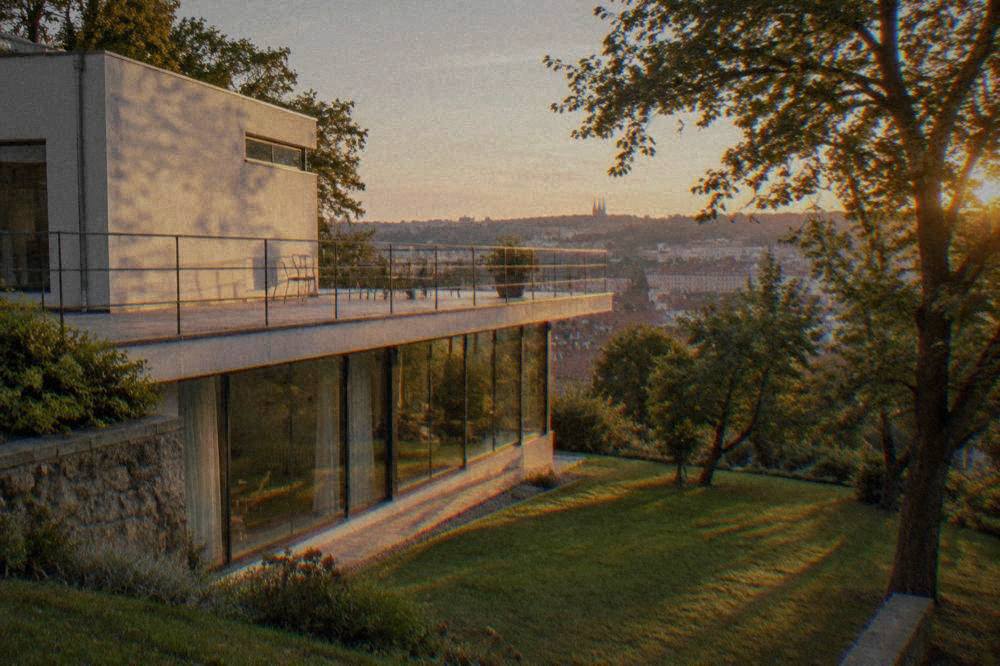
Brno's modernist era is documented in years and buildings rather than personalities: Villa Tugendhat was built 1928 to 1930 and inscribed by UNESCO in 2001, and the same period produced a wider cluster of 1920s and 1930s architecture across the city that Brno continues to promote as heritage. The Exhibition Centre opened in 1928, and functionalist design, of which the Brno chair is one emblem, is treated on the city's own heritage pages as an established association of the city.
The dates give the era its frame. Below is what the record states in plain figures, and it is worth reading as one story: a city that became the administrative capital of Moravia in 1641, and then built its way into design history at the end of the 1920s.
| Year | Documented fact about Brno |
|---|---|
| 1091 | First written mention of Brno |
| 1243 | City privileges granted under Václav I |
| 1641 | Brno becomes the administrative capital of Moravia |
| 1928 | The Exhibition Centre opens in Brno |
| 1928 to 1930 | Villa Tugendhat built by Ludwig Mies van der Rohe |
| 2001 | Villa Tugendhat inscribed on the UNESCO World Heritage list |
The villa is Brno's one UNESCO site inside the city, but the region adds more: Lednice-Valtice, Telč, Třebíč and Kroměříž are all within day-trip range, and a design-minded itinerary can combine the villa with things to do in Brno proper, meaning the Old Town squares, Špilberk Castle and the Cabbage Market. The chair, in other words, is a doorway into a city that has far more than one object to its name, a case made at length in why is Brno famous.
How Should You Plan A Visit Around The Chair And The Villa?
Plan the villa booking first, because entry is only with a pre-purchased ticket through Brno iD, then build the rest of the day around central Brno: Špilberk Castle grounds are open daily 6:00 to 23:00, its museum exhibitions run Tuesday to Sunday 10:00 to 18:00, and a Brnopas city card at 370, 490 or 610 CZK for one, two or three days covers a Špilberk tour plus the Ossuary, the Old Town Hall tower, the Cathedral tower and the Zoo.
The Brnopas arithmetic is worth doing before you buy. A three-day card includes a seasonal boat on the Brno Reservoir route between the Bystrc wharf and Veverská Bítýška, and a Brnopas+ variant bundling the villa exists at 870, 990 and 1110 CZK for one, two or three days. Set against the villa's standalone prices above, the bundle only pays off if the villa and the card's other sights are all on the list, which for a design-focused trip they usually are.
Guided products fill the gaps that a card cannot. The picks below cover the cathedral and its legends, a full-day tailormade trip into the Moravian Karst, and a small-group food walk through the city's tucked-away kitchens: three angles on a city that rewards a couple of days rather than an afternoon.
Common Questions About The Brno Chair
Who designed the Brno chair?
The chair carries Brno's name through its association with Villa Tugendhat, built in the city between 1928 and 1930 by Ludwig Mies van der Rohe. The attribution of the chair's design itself is a design-history question; check the villa's own documentation and museum catalogues before repeating a name as settled fact.
Why is it called the Brno chair?
It is named after Brno, the city in South Moravia, Czechia, where Villa Tugendhat was completed in 1930. The design entered production and museum collections under the city's name, which kept the object tied to its place of origin.
Can you visit Villa Tugendhat without a booking?
No. The interior is entered only with a previously purchased ticket booked through Brno iD, and the villa is open daily except Monday from 10:00 to 18:00. Tours run in Czech and English.
What does Villa Tugendhat cost to visit?
Per the villa's own ticket page: the Extended tour is 500 CZK full and 320 reduced until 31 December 2026, rising to 550 and 330 from 1 January 2027; the Basic tour is 450 and 270 CZK, rising to 500 and 300. Children to 6, ICOM members and ZTP/P escorts enter free.
Is Villa Tugendhat Brno's only UNESCO site?
It is the only UNESCO World Heritage site inside the city of Brno, inscribed in 2001. The wider region adds Lednice-Valtice, Telč, Třebíč and Kroměříž, all reachable as day trips.
Does a city card cover the villa?
Yes, a Brnopas+ variant bundles Villa Tugendhat at 870, 990 and 1110 CZK for one, two or three days, per the card's own page. The standard Brnopas costs 370, 490 and 610 CZK and covers a Špilberk tour, the Ossuary, the Old Town Hall tower, the Cathedral tower and the Zoo without the villa.
The chair, the villa and the city make one itinerary: book the villa through Brno iD, buy the Brnopas tier that matches your list, and give the Old Town and Petrov Hill at least a full afternoon between them. Brno Travel Guide keeps the ticket figures and opening rules on its attraction pages so the plan stays current.