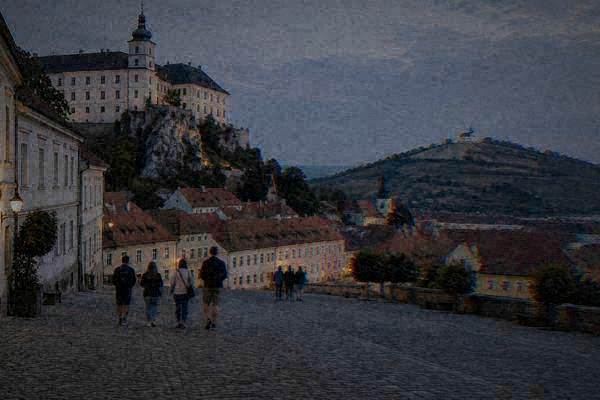
Kutná Hora From Brno: Bone Church And Silver Town
Kutná Hora lies about 128 km from Brno in a straight line and is known for the Sedlec Bone Church and its silver-mining past. This guide sets out what the trip involves and how it compares with the other day trips on Brno's doorstep.
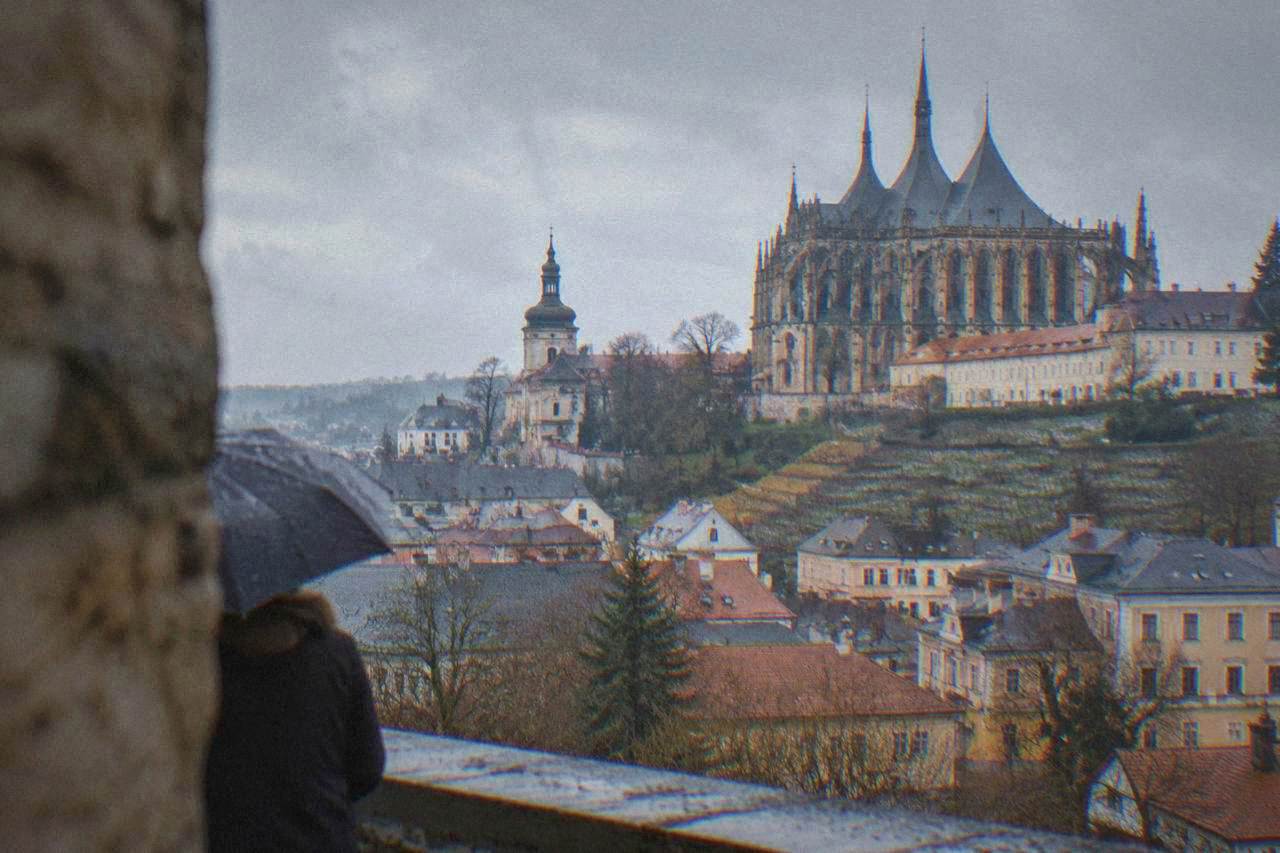
Short answer
Kutná Hora is a day trip of roughly 128 km in a straight line from Brno, reached by train towards Prague. The town pairs the Sedlec Bone Church with the legacy of its silver mines, and it sits far beyond the closer South Moravian destinations such as the Moravian Karst at about 20 km.
Kutná Hora sits about 128 km from Brno in a straight line, far to the west in Central Bohemia, and it is the destination on Brno's day-trip list that trades South Moravian wine country for a silver-mining past and the Sedlec Bone Church. Brno, in South Moravia, Czechia, is an inland city of about 404,000 residents, and every long day trip from it starts at Brno hlavní nádraží or from the coach stops around it. Kutná Hora is the longest regularly discussed rail day trip in this site's list alongside Prague at about 186 km, which makes planning the timing more important than for the near hills of the Moravian Karst at about 20 km.
What Is Kutná Hora And Why Day-Trip There From Brno?
Kutná Hora is a historic silver-mining town in Central Bohemia, about 128 km from Brno in a straight line, and its two headline draws are the Sedlec Bone Church, a chapel decorated with human bones, and the town core that grew rich on silver mining. It is one of the farthest day trips from Brno on this site's list, farther than Olomouc at about 64 km and much farther than the Moravian Karst at about 20 km, so it suits a full free day rather than a half one.
The town's identity is built on silver. The metal was mined here in quantities that made the town wealthy enough to rival Prague as a centre of power in the Bohemian kingdom, and the minting of coinage is part of the town's documented story. That silver wealth is why a town of this size carries grand religious and civic buildings at all, and it is the reason the town appears on international travel lists today.
The second draw is the Sedlec Bone Church, the chapel in the Sedlec district whose interior is decorated with the bones of many thousands of people. Bone-decorated spaces are not unique to Czechia: Brno has its own ossuary at the Church of St James, covered in this site's guide to the Brno Ossuary, and the Capuchin Crypt holds its own mummified remains, described at Capuchin Crypt. Sedlec's version is the one that draws international day-trippers, and it is the single most common reason a visitor based in Brno adds Kutná Hora to a plan.
What the trip offers in exchange for the distance is contrast. Brno's nearest day trips are natural and architectural: the caves and gorges of the Moravian Karst, the chateau landscape of Lednice-Valtice, the wine hills of Mikulov. Kutná Hora is none of these. It is a compact Bohemian town whose interest is historical and slightly macabre, and it pairs naturally with the question of whether to continue to Prague, which lies about 186 km from Brno in a straight line.
How Far Is Kutná Hora From Brno And How Do The Day Trips Compare?
Kutná Hora is about 128 km from Brno in a straight line, computed from place coordinates, which places it among the farthest destinations on this site's day-trip list: beyond Olomouc at about 64 km, beyond Telč at about 84 km, and behind only Vienna at about 111 km, Bratislava at about 123 km and Prague at about 186 km on the same measure. No drive time is printed on this site, because only straight-line distances are listed.
The comparison table below sets out every major day trip from Brno with its straight-line distance, so the real cost of choosing Kutná Hora is visible at a glance.
| Day trip from Brno | Straight-line distance |
|---|---|
| Moravian Karst | about 20 km |
| Slavkov (Austerlitz) | about 20 km |
| Lednice-Valtice | about 46 km |
| Mikulov | about 43 km |
| Třebíč | about 53 km |
| Kroměříž | about 58 km |
| Olomouc | about 64 km |
| Znojmo | about 56 km |
| Zlín | about 76 km |
| Jihlava | about 77 km |
| Telč | about 84 km |
| Vienna | about 111 km |
| Bratislava | about 123 km |
| Kutná Hora | about 128 km |
| Prague | about 186 km |
The pattern is clear. The South Moravian destinations cluster inside about 84 km, Vienna and Bratislava sit near the 111 to 123 km mark across the border, and only Kutná Hora and Prague push the day trip beyond about 123 km inside Czechia. For a visitor using Brno as a base, this matters for one practical reason: the nearer destinations forgive a late start, while a Kutná Hora day is built around fixed departure and return times.
Distances are one measure; character is another. A visitor deciding between Kutná Hora and the Moravian Karst is choosing between a Bohemian historic town and an underground landscape of caves, including the Punkva Caves with their underground boat ride to the base of the Macocha Abyss. A visitor deciding between Kutná Hora and Prague at about 186 km is choosing between a focused half-size town and the capital, and Prague's greater pull is the main reason Kutná Hora is sometimes folded into a Prague itinerary rather than given its own day from Brno. The site's guide to Prague as a day trip covers that option in full.
How Do You Get From Brno To Kutná Hora?
Kutná Hora is reached from Brno by train, running north-west towards Prague. On that axis, the Railjet time from Brno to Prague is 2 h 59 min, and Kutná Hora is reached by leaving that route before the capital, so budget a full day rather than a half. Check current timetables on the operator's site before booking anything, because this site prints no fare and no minute-by-minute connection for this route.
Brno hlavní nádraží is the departure point for every long rail day trip from the city, and it is the station described in this site's guide to Brno's main train station. The station has self-service luggage lockers available 24/7, reported by the storage operator's listing, which is useful on a day-trip day when a hotel room has been given up at midday.
The one long-distance rail figure from Brno on this site is the Railjet to Prague at 2 h 59 min, an advertised ČD figure. Kutná Hora lies off that corridor before Prague, reached with a change of train at Kolín or a direct regional service depending on the timetable of the day, and the connections and fares for that final leg are things to confirm at booking rather than numbers this site states. Fares for Brno to Vienna, Bratislava and Prague are likewise not printed anywhere on this site.
A few practical notes carry over from the transport facts. Brno city transport runs on zones 100 and 101, with paper tickets at 20 CZK for 15 minutes, 25 CZK for 60 minutes and 33 CZK for 90 minutes, and a 24-hour Brno ticket at 90 CZK. Getting to hlavní nádraží from anywhere in the centre therefore costs 20 to 25 CZK. Bolt operates in Brno for app-based rides, reported by local media, while Uber does not operate in the city, so do not plan on it for an early-morning station run.
What Do You Actually See In The Bone Church And The Silver Town?
The Bone Church is the Sedlec chapel whose interior is decorated with human bones arranged into furnishings and ornament, and the silver town is the historic core of Kutná Hora, whose grand churches and civic buildings were funded by the silver mined beneath it; Sedlec sits a short distance from the centre, so a visit involves two stops. Check current hours and ticket prices on the operators' own pages before travelling, because this site prints none for Kutná Hora.
The Bone Church is the draw that travels. Chapel interiors decorated with bones exist across Central Europe, and Brno's own Ossuary at St James, which is free with the Brnopas city card, is the local example, covered in the site's Brno Ossuary guide. Sedlec's chapel is the internationally famous one, and the reason is the completeness of the decoration: bones are formed into chandeliers, coats of arms and other fittings. The historical background is a cemetery at Sedlec that received burials on a very large scale, and the chapel's decoration was assembled from that material.
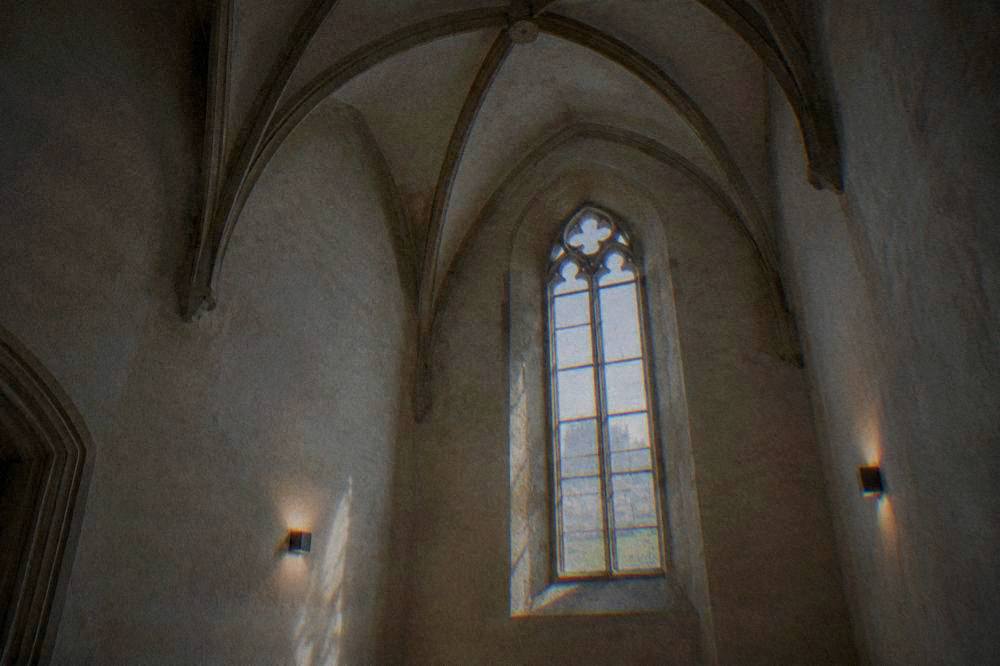
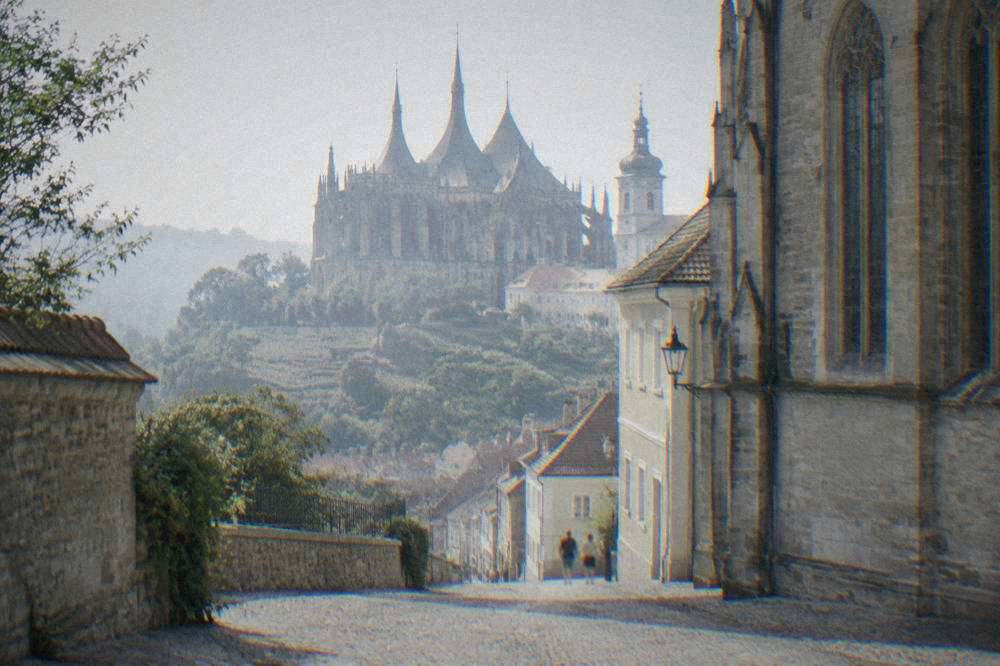
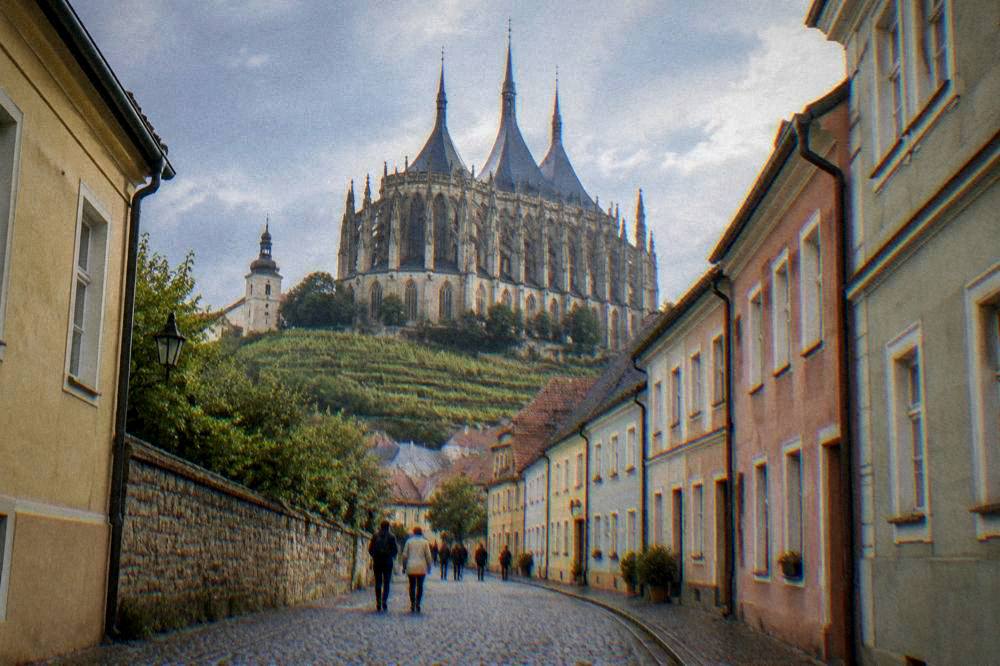
The silver town is the other half. Kutná Hora's wealth came from silver, and the great church of St Barbara, dedicated to the patron of miners, is the building most identified with that wealth. The minting history of the town, the coinage struck from local silver, is part of the documented story. Walking the town is the activity, and it is the same shape of visit as walking Brno's own Old Town squares, Freedom Square and the Cabbage Market, which this site covers in its guide to things to do in Brno.
What this site can and cannot say about the visit matters here. Opening hours, ticket prices and combined tickets for the Bone Church, St Barbara's and the mining-related sights are not covered on this page, so the instruction is simple: check the current price and hours on the official ticket pages before booking, and treat anything read elsewhere as unconfirmed. The same rule applies to the ossuary-type sites in Brno itself, whose hours and prices this site also does not state.
Is Kutná Hora Or The Closer South Moravian Day Trips The Better Choice From Brno?
Kutná Hora is the better choice for a visitor specifically drawn to the Bone Church and mining history who can give up a full day; the closer South Moravian trips are better for anything less, because Kutná Hora at about 128 km in a straight line sits beyond every Moravian destination on the list, while the Moravian Karst at about 20 km, Lednice-Valtice at about 46 km and Mikulov at about 43 km can all be done comfortably as shorter outings from Brno.
The trade-off is distance against distinctiveness. Nothing inside South Moravia offers what Sedlec offers, and nothing in Kutná Hora offers the underground boat ride of the Punkva Caves or the wine landscape of Pálava. A first visit to Brno of two or three days is better spent on the near list, covered in the site's Brno in two days and Brno in three days itineraries, with Kutná Hora reserved for a longer stay or a second visit.
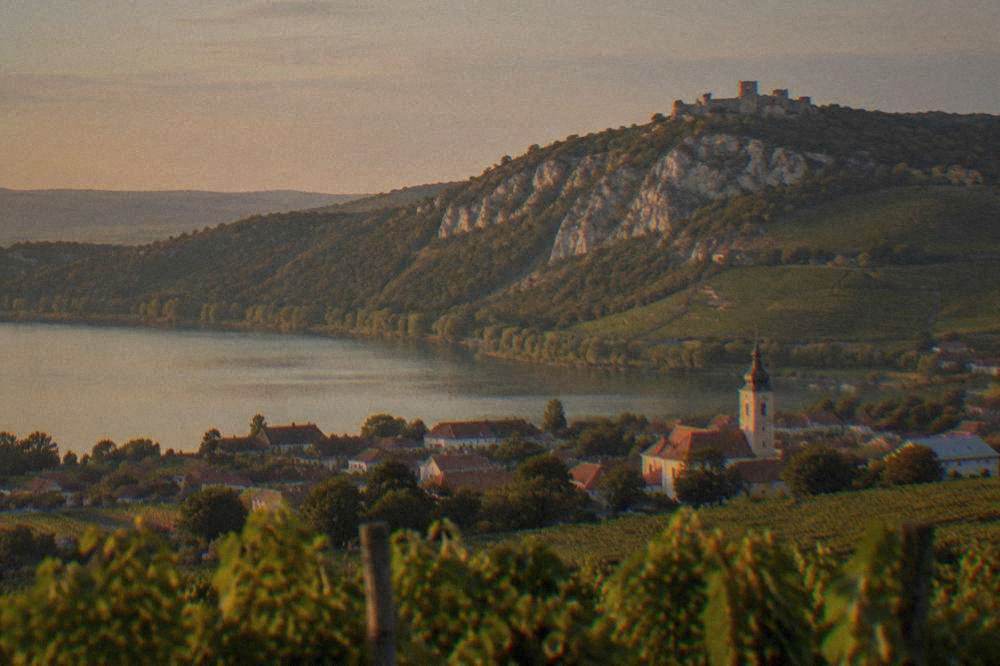
The comparative table below groups the main alternatives by what they deliver, using only the figures presented on this site.
| Day trip | Distance from Brno | What defines it |
|---|---|---|
| Moravian Karst | about 20 km | Caves, underground boat, Macocha Abyss |
| Slavkov (Austerlitz) | about 20 km | Battlefield of 2 December 1805, chateau |
| Mikulov | about 43 km | Castle town on the Pálava wine hills |
| Lednice-Valtice | about 46 km | UNESCO landscape, chateau, park |
| Třebíč | about 53 km | UNESCO Jewish Quarter and basilica |
| Olomouc | about 64 km | Historic Moravian city, about 1 h by train |
| Kutná Hora | about 128 km | Bone Church, silver-mining town |
Two of these carry prices on this site. Lednice Chateau's Tour I State Rooms is 280 CZK full and 200 reduced, Tour II Private Apartments 220 / 160, a combined ticket 420 / 300, with an English audio guide at 50 CZK and the park free, prices listed as indicative on the chateau's own site. Pernštejn Castle, another listed day trip, charges 260 CZK adult, 210 seniors and youth, 80 CZK children 6 to 17, and it is seasonal: it was closed 3 November 2025 to 3 April 2026, with weekend-only autumn hours, so check before planning. No comparable figures exist on this site for Kutná Hora, Telč, Třebíč, Kroměříž, Mikulov or Olomouc. The rest of the planning pages sit on Brno Travel Guide.
How Does A Kutná Hora Day Fit Into A Brno-Based Itinerary?
A Kutná Hora day works best as the single long-haul day of a Brno stay of three or more days, placed after the city's own sights have been covered and not adjacent to another long trip; the pattern this site recommends is one day inside Brno, one short day trip inside about 64 km, then the Kutná Hora or Prague day, because packing two trips beyond 100 km into consecutive days leaves the visit dominated by rail timetables.
Start inside the city. Brno's core sights are walkable and ticketed at modest local prices: Špilberk Castle's grounds are open daily 06:00 to 23:00, its guided Story of the Castle tour is 180 CZK full and 110 reduced with a family ticket at 415 CZK, and Villa Tugendhat, the city's UNESCO site of 2001, is entered only with a ticket booked in advance through Brno iD, at 500 CZK for the Extended tour until 31 December 2026 and 550 CZK from 1 January 2027. Those two anchor a first day, covered in the Špilberk Castle and Villa Tugendhat guides.
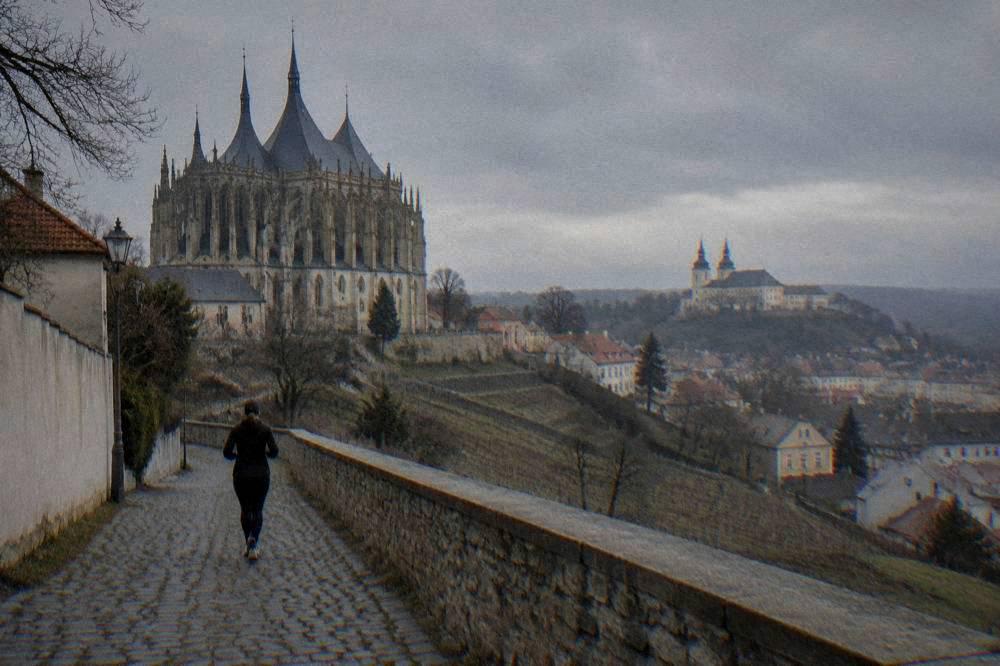
A structured walk is a practical way to cover the centre before or after the long day out, and the site's featured downtown walk is one option: the 3 Themes Walk is the related tour for this page, and it can be Check availability checked for dates that fit around a Kutná Hora outing.
The city card question also belongs here. The Brnopas costs 370 CZK for one day, 490 for two and 610 for three at adult rates, with a Brnopas+ variant bundling Villa Tugendhat at 870 / 990 / 1110 CZK, and it grants free entry to a list that includes the Old Town Hall tower, the Ossuary, the Brno Zoo and the cathedral. It covers Brno, not Kutná Hora, so it is a city-days purchase rather than a day-trip one; the site's Brnopas guide works through the arithmetic.
| Day of a 4-day Brno plan | Focus | Straight-line distance |
|---|---|---|
| Day 1 | Brno centre: Špilberk, squares, cathedral | 0 km |
| Day 2 | Short day trip: Karst, Lednice or Mikulov | 20 to 46 km |
| Day 3 | Kutná Hora: Bone Church and silver town | about 128 km |
| Day 4 | Brno finish: Villa Tugendhat, museums | 0 km |
Can You Combine Kutná Hora With Prague In One Trip From Brno?
Yes, as a two-centre overnight or a long stopover rather than a single day, because Prague lies about 186 km and Kutná Hora about 128 km from Brno in a straight line, with Kutná Hora positioned off the Brno to Prague rail axis; the Railjet time Brno to Prague is 2 h 59 min, so the realistic pattern is a train towards Prague, a stop at Kutná Hora on the way, and an overnight in the capital, not both cities in one daylight window.
The logic of the geography does the deciding. Kutná Hora sits west of Brno and east of Prague, which makes it a natural waypoint on any multi-day run between the two. A single-day attempt to do Brno, Kutná Hora and Prague means two long rail legs plus the local connection into Sedlec and the town centre, and the timetable figures on this site do not support promising that.
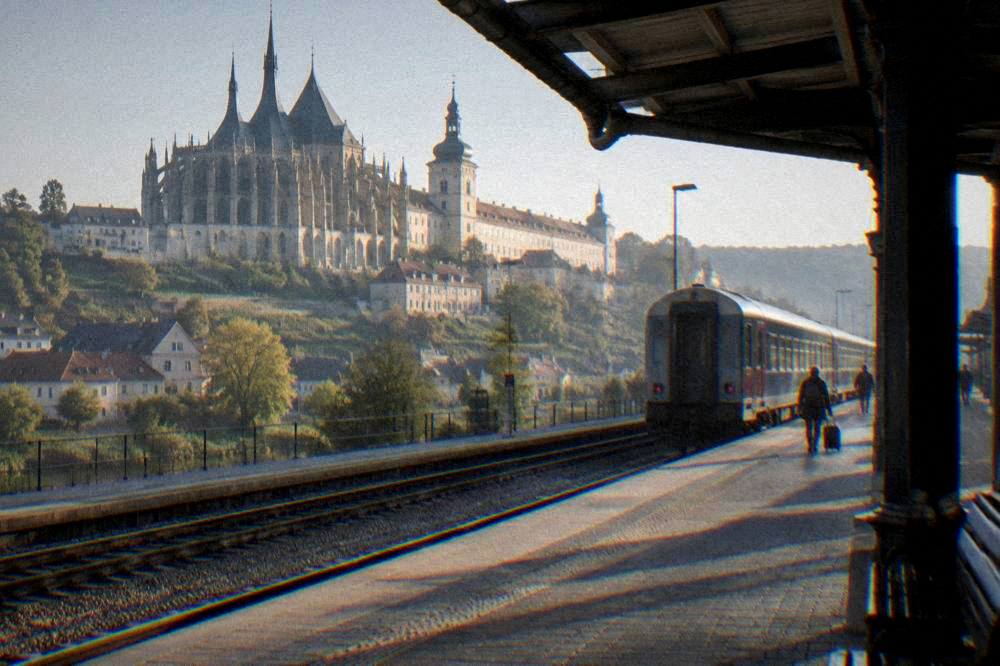
For visitors who prefer to keep Prague as its own outing, the site's Prague to Brno planning guide covers the reverse direction, including the same Railjet figure, and the Vienna and Bratislava guides cover the two cross-border alternatives at about 111 km and about 123 km respectively. Vienna Hbf to Brno by Railjet is reported at about 1 h 31 min, and Vienna Airport buses to Brno run about 1 h 50 to 2 h 40 with fares from about EUR 10, both reported by aggregators, so confirm at the operator before relying on them.
What Should You Know About Money, Timing And Practicalities For The Day?
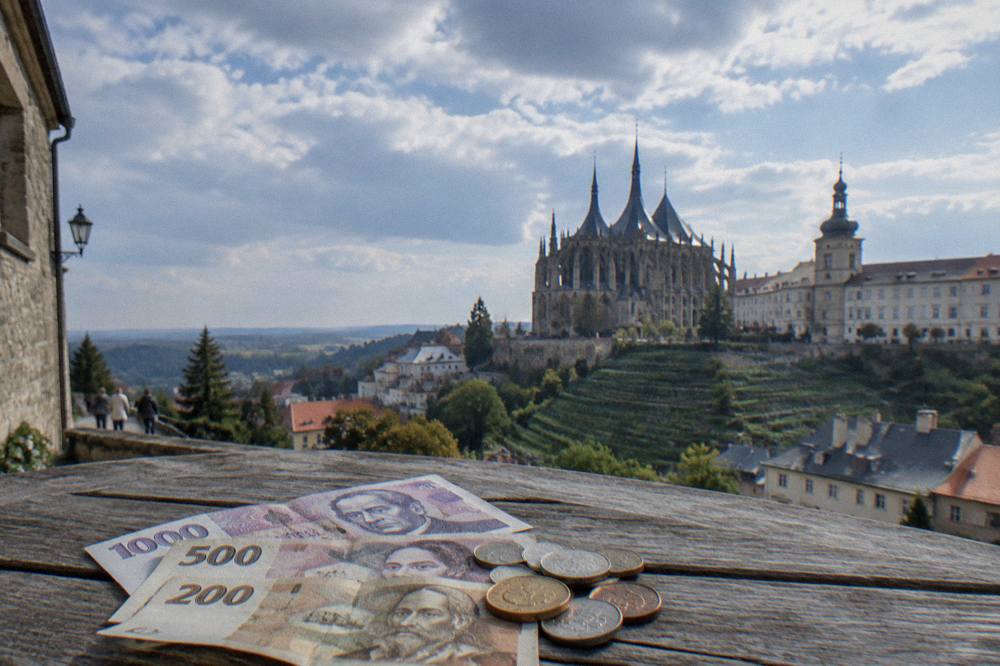
Czechia uses the Czech koruna, CZK, not the euro, and every transaction on a Kutná Hora day, from the station coffee to any admission, happens in koruna or by card; the country is in the EU and Schengen but not the eurozone, so a visitor arriving from Vienna or Bratislava crosses no hard border but does change currency, and Brno's local transport and city prices on this site are all quoted in CZK without conversion.
The practical list is short. Brno's paper transport tickets cost 20 CZK for 15 minutes, 25 CZK for 60 minutes and 33 CZK for 90 minutes, with a 24-hour ticket at 90 CZK. Tipping in Czech restaurants runs 5 to 10 percent or a rounded-up total, reported by Czech etiquette guides. The emergency number across Czechia, including on any day trip, is 112. Tap water is safe to drink by Czech standards, reported by water-quality references. Large shops close on certain public holidays including 1 January, Easter Monday, 8 May, 28 September, 28 October and 25 to 26 December, with Christmas Eve closing at noon, a pattern reported for Czechia generally.
Weather planning uses the same table for every destination in this article, because the ERA5 reanalysis for Brno, 1991 to 2020, is the climate source this site prints. On those modelled normals, July has the highest mean daily high at 25.0 C and January the lowest mean daily low at -3.8 C, while July also carries the highest monthly rainfall at 82.8 mm and February the lowest at 27.9 mm. Kutná Hora lies at a similar continental latitude and inland position, but this site prints climate figures only for Brno's grid cell, so treat the table below as regional guidance, not a forecast for the town.
| Month | Mean daily high C | Mean daily low C | Rain mm |
|---|---|---|---|
| Jan | 1.9 | -3.8 | 33.6 |
| Mar | 8.9 | 0.1 | 39.1 |
| May | 19.2 | 9.6 | 65.8 |
| Jul | 25.0 | 15.3 | 82.8 |
| Sep | 19.5 | 10.8 | 64.2 |
| Nov | 7.5 | 2.1 | 41.5 |
The ERA5 reanalysis, 1991 to 2020, describes a continental pattern: warm summers, cold winters, and a rainfall peak in midsummer. A walking day in a historic town, which is what a Kutná Hora day is, works in any of those months with the right clothing; the underground sights of the Moravian Karst hold a near-constant temperature, but the Kutná Hora visit is outdoors between its two anchors.
How Does Kutná Hora Rank Among Brno's Day Trips For A First-Time Visitor?
For a first-time visitor to Brno, Kutná Hora ranks behind the Moravian Karst, Lednice-Valtice and Mikulov and ahead of only the cross-border cities, because its about 128 km straight-line distance buys a specialist interest rather than a sampler: the Bone Church and the silver town suit a visitor who wants exactly that, while the nearer Moravian destinations deliver caves, chateaus and wine inside a shorter day, and Prague at about 186 km is the only Czech destination on the list that outranks it.
The honest framing is one of fit. A visitor with one day free should stay inside about 64 km: the Karst caves, Lednice-Valtice, Třebíč, Kroměříž or Olomouc, each reachable on a shorter timetable and each carrying a distinct draw, with the UNESCO listings of Telč from 1992, the Třebíč Jewish Quarter and St Procopius Basilica, and the Kroměříž Gardens and Castle all documented as subjects on this site. A visitor with four or more days, or a visitor already committed to the Prague leg of a Czech itinerary, has the room for Kutná Hora and should take it.
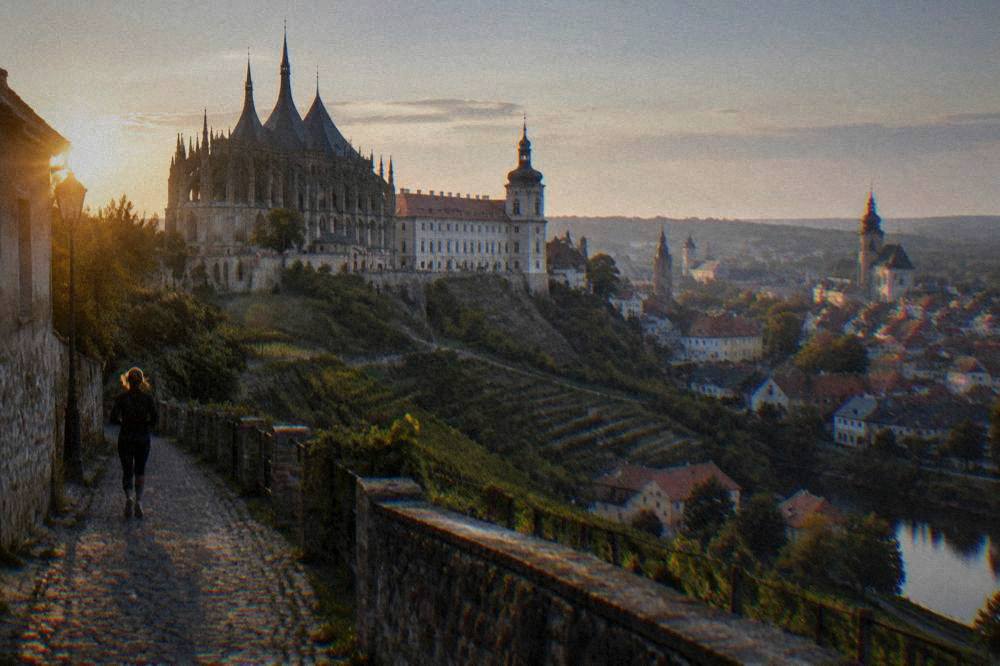
And the Bone Church question resolves the same way every ossuary question does on this site. Brno has its own, the Ossuary at St James, free with Brnopas, and a visitor who wants the bone-decorated interior experience without a 128 km round commitment has it inside the city, with the difference between an ossuary and a catacomb explained on the blog. Sedlec's version is bigger in fame and different in scale of decoration, and the choice between the two is really a choice between a city morning and a full day on the rails west.
Common Questions About Kutná Hora From Brno
How far is Kutná Hora from Brno?
About 128 km in a straight line, computed from place coordinates. It is one of the farthest day trips on this site's list, behind only Prague at about 186 km. No drive time is stated, because only straight-line distances are given; plan with rail timetables instead.
Can you do Kutná Hora as a day trip from Brno?
Yes, with a full day budgeted. The Bone Church and the historic silver town can be covered in one long outing built around fixed departure and return times. Check current timetables and admission details at the operators' own pages before travelling.
What is the Bone Church in Kutná Hora?
The Sedlec Bone Church is a chapel whose interior is decorated with human bones arranged into chandeliers, coats of arms and other fittings, assembled from the burials of the historic Sedlec cemetery. Brno has its own smaller ossuary at the Church of St James, which is free with the Brnopas city card.
Is Kutná Hora or the Moravian Karst better from Brno?
The Moravian Karst is closer at about 20 km and offers caves, an underground boat ride and the Macocha Abyss, so it suits a shorter day. Kutná Hora at about 128 km suits a full free day and a visitor specifically drawn to the Bone Church and silver-mining history.
Can you combine Kutná Hora and Prague in one day from Brno?
Not realistically. Prague is about 186 km from Brno and Kutná Hora about 128 km, with the Railjet time Brno to Prague at 2 h 59 min. The workable pattern is a stop at Kutná Hora on the way to an overnight in Prague.
Do you need Czech koruna for a Kutná Hora day trip?
Czechia uses the Czech koruna, not the euro, and Czechia is in the EU and Schengen but not the eurozone. Cards are usable in the towns, but carrying koruna for small purchases is the practical approach on any Czech day trip.
The plan that survives contact with reality: one Brno day for Špilberk and the squares, one short Moravian outing, and then the long rail day west to the Bone Church and the silver town, with the timetable checked the night before.