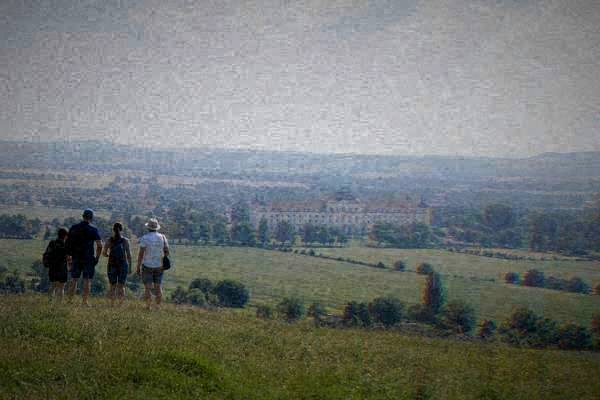
Where Was The Battle Of Austerlitz Fought?
The Battle of Austerlitz was fought on 2 December 1805 near Slavkov u Brna, about 20 km east of Brno in South Moravia. Here is what that means for a visitor today.
The Battle of Austerlitz was fought on 2 December 1805 on the hills and farmland around Slavkov u Brna, a town in South Moravia, Czechia, about 20 km in a straight line east of Brno. Napoleon's victory there took its name from Slavkov's German name, Austerlitz, and the route between the battlefield and Brno was the same corridor his troops moved through before the fighting began.
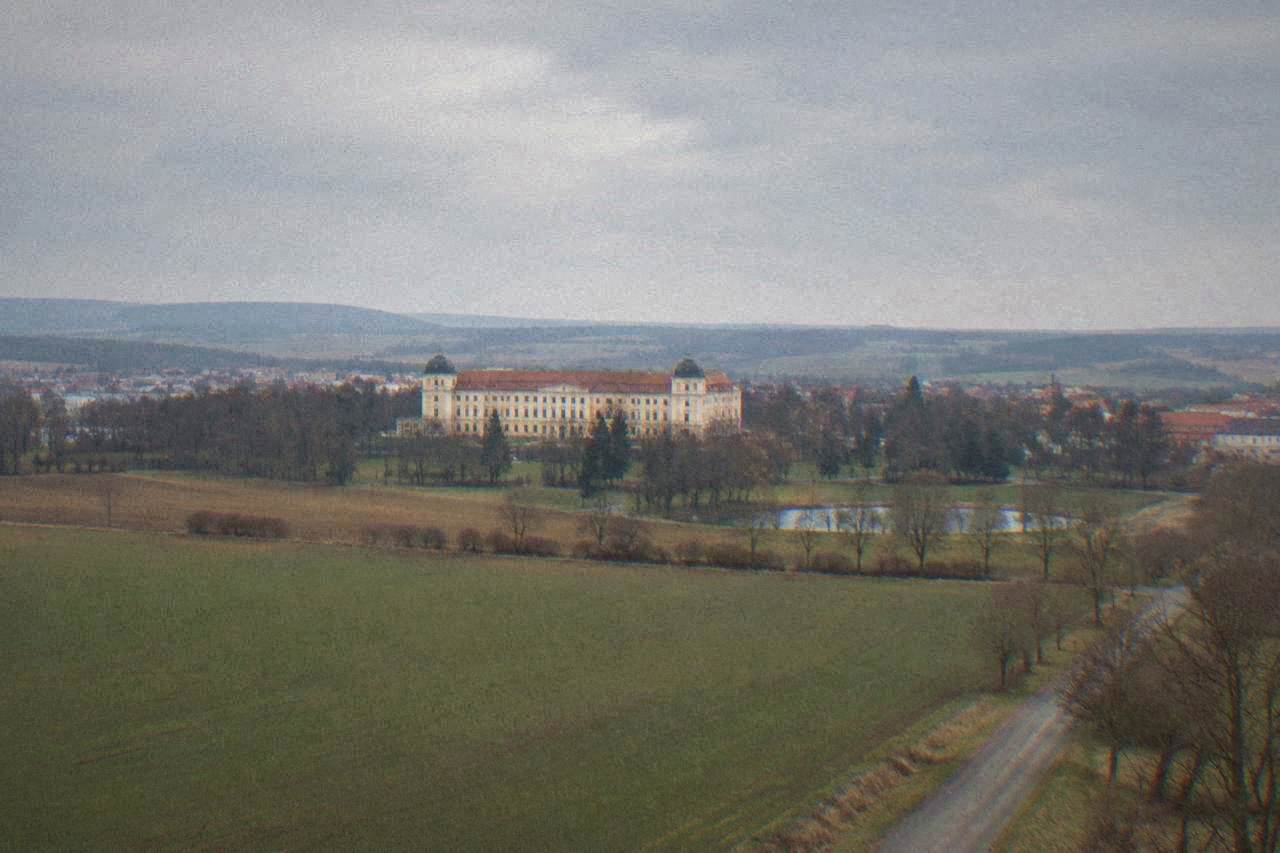
The name can mislead. Travel guides sometimes place Austerlitz vaguely "in Central Europe", but the fighting had a precise geography: the villages, slopes and roads south and east of Slavkov, with Brno itself the anchor city of the region and the base any visitor uses today. Slavkov is inside the South Moravian Region, of which Brno is the administrative centre, and the battlefield is one of the region's most direct connections to a single dated world event. The region is home to roughly 1,228,779 people and Brno to about 404,000 permanent residents, which makes the contrast striking: the decisive clash of a European war was fought in the countryside of a modest market town twenty kilometres from the region's capital. For orientation on the city itself, see where Brno is located on this site.
Where Was The Battle Of Austerlitz Fought?
The Battle of Austerlitz was fought on 2 December 1805 in the countryside around Slavkov u Brna, roughly 20 km in a straight line east of Brno in South Moravia, Czechia. Napoleon's army defeated a combined Austrian and Russian force on ground that stretched across the hills and villages between Slavkov and Brno, and the battle took its better-known name, Austerlitz, from the German form of Slavkov's name.
The link to Brno is not incidental. Troops on both sides moved through Brno before the battle, and the city's position at the centre of South Moravia is what put it on the campaign map that winter. The date, 2 December 1805, is recorded in the Czech UNESCO heritage history of Brno, which also notes the battle as Napoleon's victory near the city.
What that means for a visitor is simple: there is no single "Austerlitz castle and battlefield" gate in one spot. The battle happened across open landscape, and the modern ways of seeing it are the memorial sites on that landscape, the town of Slavkov with its chateau, and the ground between Slavkov and Brno. This site's Slavkov and Austerlitz day-trip guide covers the individual places in detail.
One further point of orientation: the Czech form of the town's name, Slavkov u Brna, literally says "Slavkov by Brno", and that is the form on road signs and railway timetables. Any journey planned around the Czech name and any book written around the German one land in the identical place.
How Far Is The Battlefield From Brno?
Slavkov u Brna, the town at the centre of the battlefield area, lies about 20 km in a straight line east of Brno, a distance computed from mapped coordinates rather than road measurements. Train and bus connections between Brno and Slavkov take roughly 20 to 30 minutes, which puts the battlefield among the shortest day trips from the city, closer than the Moravian Karst at about 20 km or the Lednice-Valtice area at about 46 km in a straight line.
For comparison, here is where Slavkov sits against the other classic day trips out of Brno. All distances are straight-line kilometres computed from mapped coordinates, not road distances.
| Day trip from Brno | Straight-line distance | Train or bus time (about) |
|---|---|---|
| Slavkov u Brna (Austerlitz) | 20 km | 20 to 30 minutes |
| Moravian Karst | 20 km | not stated |
| Mikulov | 43 km | 45 to 60 minutes |
| Lednice-Valtice | 46 km | not stated |
| Olomouc | 64 km | 1 hour |
| Prague | 186 km | 2.5 hours |
The practical reading of that table: Austerlitz is a half-day-or-full-day destination, not an overnight one. A guided option such as the Austerlitz battlefield trip from Brno handles the transfer and the storytelling in one package, with Check availability showing current dates and pricing on the operator's live listing. Independent travel by train or bus is also realistic at 20 to 30 minutes each way.
What Can You See At The Battlefield Today?
The main landmark on the battlefield is the Cairn of Peace (Mohyla míru), a memorial raised on the Pratec hill area where the fighting centred, joined by marked positions across the surrounding villages and by Slavkov Chateau in the town itself, which has its own official visitor site with tours and online tickets. The landscape is working farmland crossed by memorial points rather than a fenced park, so a visit is part sightseeing and part walking open country.
Slavkov Chateau is the formal sight in the town: an official site exists with tours and online booking, and the current ticket prices sit on that site rather than in any fixed list here, so check the chateau's own pages before planning a visit. The Cairn of Peace memorial likewise sells its own entry, and the December reenactment of the battle, when it runs, is announced locally rather than on a fixed published date.
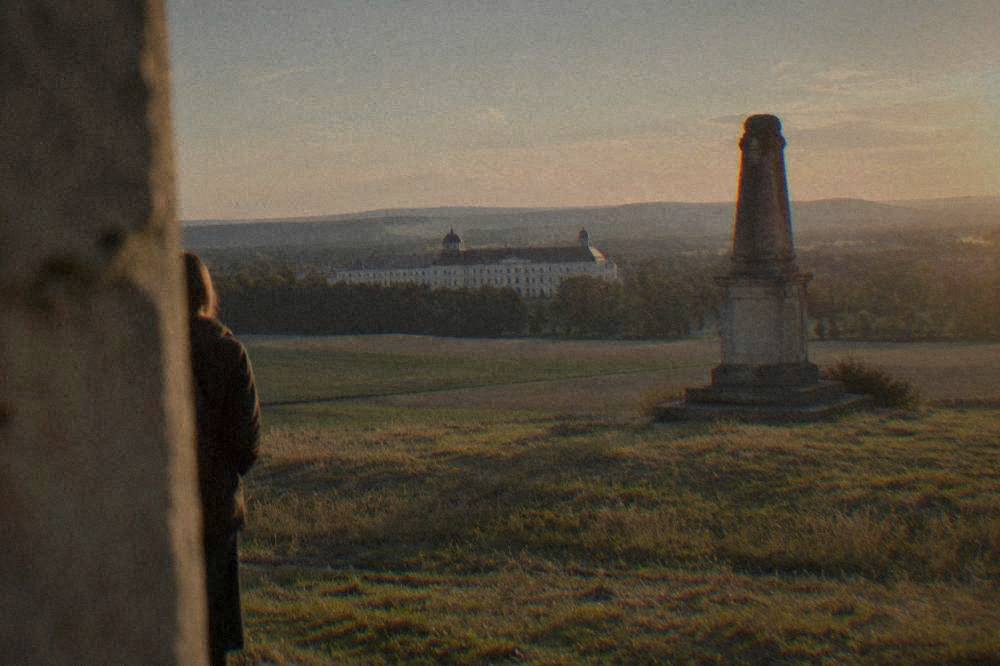
A rough way to split a day:
| Stop | What it is | Tickets |
|---|---|---|
| Cairn of Peace | War memorial on the battlefield ground | Sold on site; check the current price before going |
| Battlefield viewpoints | Marked positions across the hills and villages | Open landscape |
| Slavkov Chateau | Baroque chateau with guided tours in the town | Online via the chateau's official site |
| Slavkov town square | Small town centre with cafés and shops | Free |
None of these stops needs a car if a tour or train-and-bus combination is used, but the memorial points are spread out, and guided transport covers the ground without the walk between them. Visitors who prefer to keep the day flexible should treat the chateau's own site as the single source for opening days, since seasonal closures there follow the heritage-property calendar rather than a year-round pattern.
If you would rather drive yourself between the sites, book a rental car here.
How Do You Get From Brno To Slavkov?
Trains and buses run from Brno to Slavkov in roughly 20 to 30 minutes, making it one of the quickest excursions out of the city. Brno hlavní nádraží is the rail hub, local public transport within Brno runs on zones 100 and 101 with a 60-minute paper ticket at 25 CZK and a 24-hour ticket at 90 CZK, and the regional leg to Slavkov is bought separately from the operator or its app.
Inside Brno itself, the standard tickets from the transport authority are 20 CZK for 15 minutes, 25 CZK for 60 minutes and 33 CZK for 90 minutes on paper, with the 24-hour Brno ticket at 90 CZK, valid from 1 October 2026. The regional train or bus to Slavkov is a separate fare, and schedules are checked on the national journey planner rather than assumed. For anyone weighing the car, straight-line distance is the only figure this site prints; no drive time is stated. The full index of guides sits on Brno Travel Guide.
The guided alternative removes the planning layer entirely. A battlefield tour from Brno collects the memorial sites and the town in one loop, which matters because the points of interest are scattered across open country rather than grouped in one walkable centre.
Why Does The Battle Have A German Name?
The battle is named after Austerlitz, the German form of Slavkov's name, because German was an administrative language in Moravia when the battle was fought in 1805, and the name entered international history books in that form before the Czech form was widely used abroad. The Czech name of the town is Slavkov u Brna, literally Slavkov by Brno, and both names refer to exactly the same place.
That naming split still shows up in modern usage. The railway station and road signs say Slavkov, while films, books and even a famous Moscow railway station carry Austerlitz. Nothing about the town changed except the language of the label: the battlefield ground, the memorial and the chateau are all in and around today's Slavkov u Brna.
The practical consequence for a traveller is small but real. Search a booking site for "Austerlitz" and the results point at the same South Moravian countryside; search "Slavkov u Brna" and they point there too. Anyone reading older histories, novels or films set around the battle should simply hold both names in mind as one destination about twenty kilometres east of Brno.
How Does Austerlitz Fit Brno's Wider History?
Austerlitz belongs to a cluster of dated events that sit directly on Brno's timeline: the city's first written mention in 1091, its privileges granted in 1243, the Swedish sieges of 1643 and 1645, and then the battle of 2 December 1805 fought in the countryside just east of it. The battle is the region's one decisive military date, and it sits alongside the 1928 to 1930 Villa Tugendhat and its 2001 UNESCO inscription as the anchors visitors actually come to see.
Reading the battlefield alongside the city sharpens both. Brno held out against the Swedish siege of 1645, an episode the cathedral bells still mark by ringing at 11:00 rather than noon, and the same stubborn geography that made the city worth besieging made it the staging point of the 1805 campaign. Gregor Mendel, born in 1822, published his heredity work in Brno in 1865, sixty years after the guns at Slavkov; the city's modern identity, universities and functionalist architecture, grew on ground that two empires had fought over. A visitor who takes the short trip east to the Cairn of Peace and then walks Petrov Hill or Špilberk Castle in the afternoon sees both halves of that story in a single day.
Planning A Battlefield Day Trip From Brno
A workable plan is a half or full day: a morning train or bus from Brno hlavní nádraží to Slavkov in about 20 to 30 minutes, time at the Cairn of Peace and the battlefield positions, then the chateau and the town square before returning. An alternative is a guided day trip that covers the same ground with a guide and transport included, which suits travellers who want the narrative of 2 December 1805 explained on the ground itself.
Two things decide the shape of the day. The first is transport: the memorial sits away from the town, so travellers without a car either walk between points or join a tour. The second is season: the reenactment, when it runs, is a December event tied to the battle date, and its schedule is announced locally rather than published far ahead.
For a longer stay in the region, the battlefield combines naturally with the city itself. Start with things to do in Brno, add Špilberk Castle and the Cathedral of Sts Peter and Paul on Petrov Hill, and slot Austerlitz in as the history excursion east. Visitors undecided on length can read how many days you need in Brno before booking anything.
Common Questions About The Austerlitz Battlefield
Where Was The Battle Of Austerlitz Fought?
On 2 December 1805, on the hills and farmland around Slavkov u Brna, about 20 km in a straight line east of Brno in South Moravia, Czechia.
Is Austerlitz the same place as Slavkov?
Yes. Austerlitz is the German form of the name of the same town, Slavkov u Brna, and the battle's international name comes from that older form.
How far is the battlefield from Brno?
Slavkov lies about 20 km in a straight line east of Brno, and trains or buses cover the leg in roughly 20 to 30 minutes.
Can you visit the battlefield on a day trip from Brno?
Yes. The short transfer makes it a half or full day trip, either independently by train and bus or with a guided battlefield tour from Brno.
What is the Cairn of Peace?
A war memorial standing on the battlefield ground near Slavkov, and the main landmark of the site today. Entry details sit with the memorial's own channels, so check the current price before going.
The battlefield at Slavkov remains one of the few places within twenty kilometres of Brno where a single date, 2 December 1805, changed the map of Europe, and the short train ride from the city makes it an easy excursion for anyone curious about that morning.