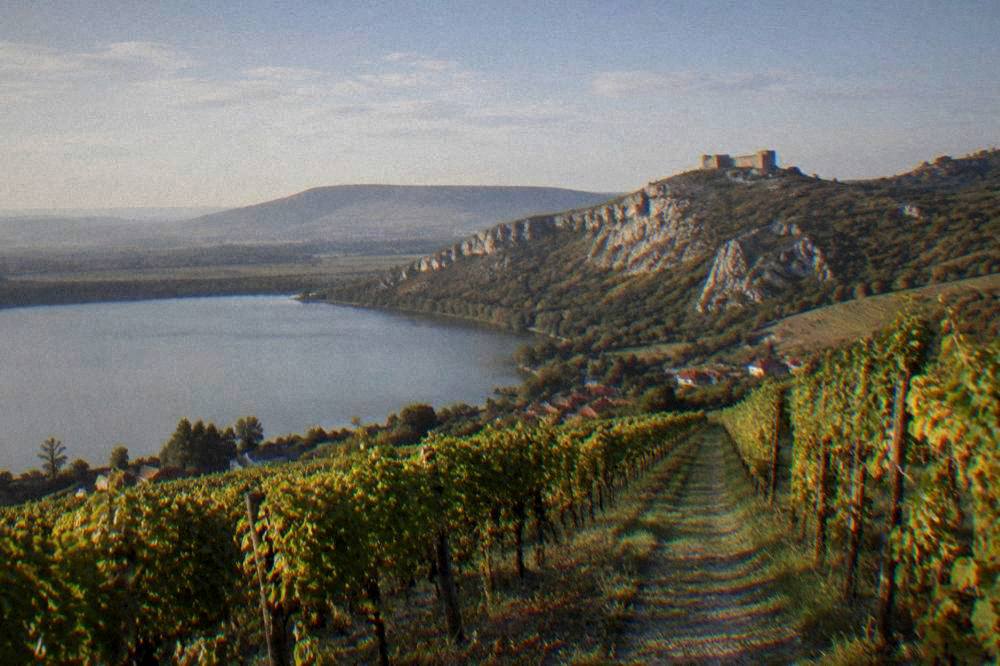
Pálava Hills: Pavlov, Dolní Věstonice And The Vineyard Ridge
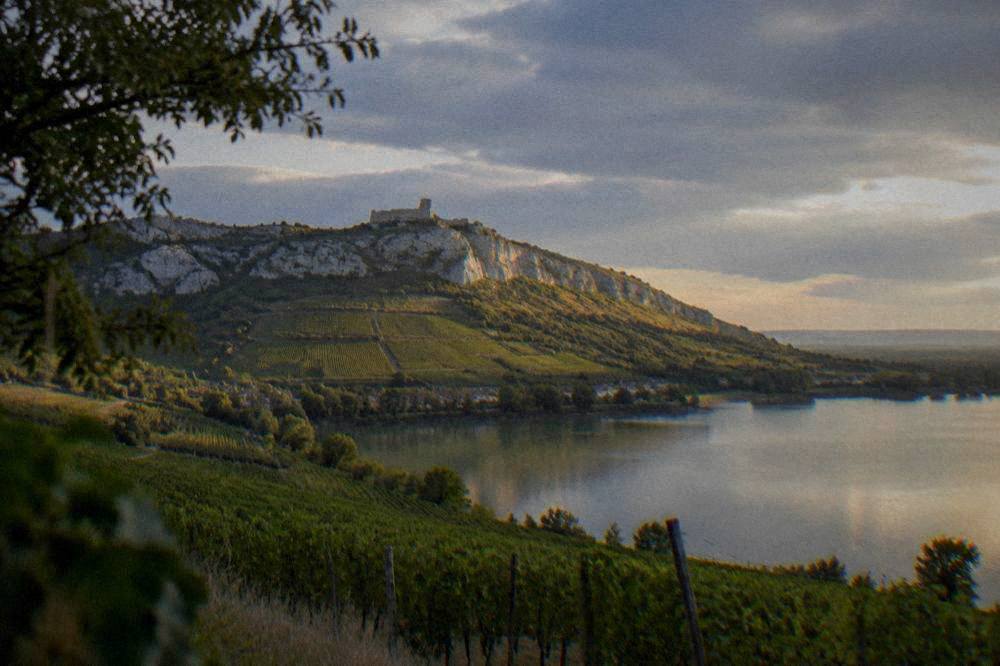
The Pálava hills rise about 36 km south of Brno in a straight line, a limestone ridge above the vineyards of South Moravia, with Pavlov and Dolní Věstonice at its foot and Mikulov just beyond.
Short answer
The Pálava hills sit about 36 km south of Brno in a straight line, in South Moravia, Czechia. Pavlov and Dolní Věstonice lie at the foot of the ridge, Mikulov castle is about 43 km from Brno, and the whole area is reached by train or bus in under an hour.
The Pálava hills stand south of Brno, about 36 km from the city centre in a straight line, a ridge of white limestone that rises out of the South Moravian plain between vineyards, apricot orchards and the villages of Pavlov and Dolní Věstonice. This is not alpine country: the hills are low, warm and dry, and the landscape around them is one of the wine heartlands of Czechia. Brno, the city this site is about, is an inland city of about 404,000 residents in South Moravia, and Pálava is one of its classic day trips, alongside the Moravian Karst, Lednice-Valtice and Mikulov. This guide sets out what the sources say about the ridge, the two villages at its foot, the wine country around it, and how the practical side of the trip works.
Where Are The Pálava Hills And How Far From Brno?
The Pálava hills lie about 36 km south of Brno in a straight line, on the western edge of South Moravia near the Austrian border, with the town of Mikulov about 43 km from Brno and the Lednice-Valtice park about 46 km away. Pavlov and Dolní Věstonice sit directly under the ridge on the shore of the Nové Mlýny reservoirs. Brno itself is inland; no sea or lagoon is involved anywhere in this region.
The straight-line distances are computed figures, not driving distances, and the card prints no drive times for any of them. What they show is that the whole wine belt sits close together: Pálava, Mikulov and Lednice-Valtice form a triangle roughly 7 to 10 km across, which is why a single day can reasonably cover a ridge walk in the morning and a chateau or cellar town in the afternoon. The wider day-trip ring from Brno, for comparison, runs from the Moravian Karst at about 20 km out to Prague at about 186 km.
The Pálava landscape is a UNESCO biosphere reserve; the day-trip research file records the Pálava reserve's hiking as free, and reports it with that attribution. The hill country is protected, which in practice shapes what you can do there: walking the ridge and visiting the villages are the core activities, and the protected status is the reason the slopes stay covered in dry grassland and vineyards rather than development. Beyond the hills themselves, the plain holds the Nové Mlýny reservoirs, the water bodies that sit between Pavlov, Dolní Věstonice and the wine villages on the east side.
| Place | Straight-line distance from Brno centre |
|---|---|
| Pálava hills | about 36 km |
| Mikulov | about 43 km |
| Lednice-Valtice | about 46 km |
| Znojmo | about 56 km |
| Moravian Karst | about 20 km |
| Vienna | about 111 km |
For readers planning a wider trip, the site's Brno day trips overview lists the full ring, and the Mikulov guide covers the town on the far side of the hills.
What Can You See In Pavlov And Dolní Věstonice?
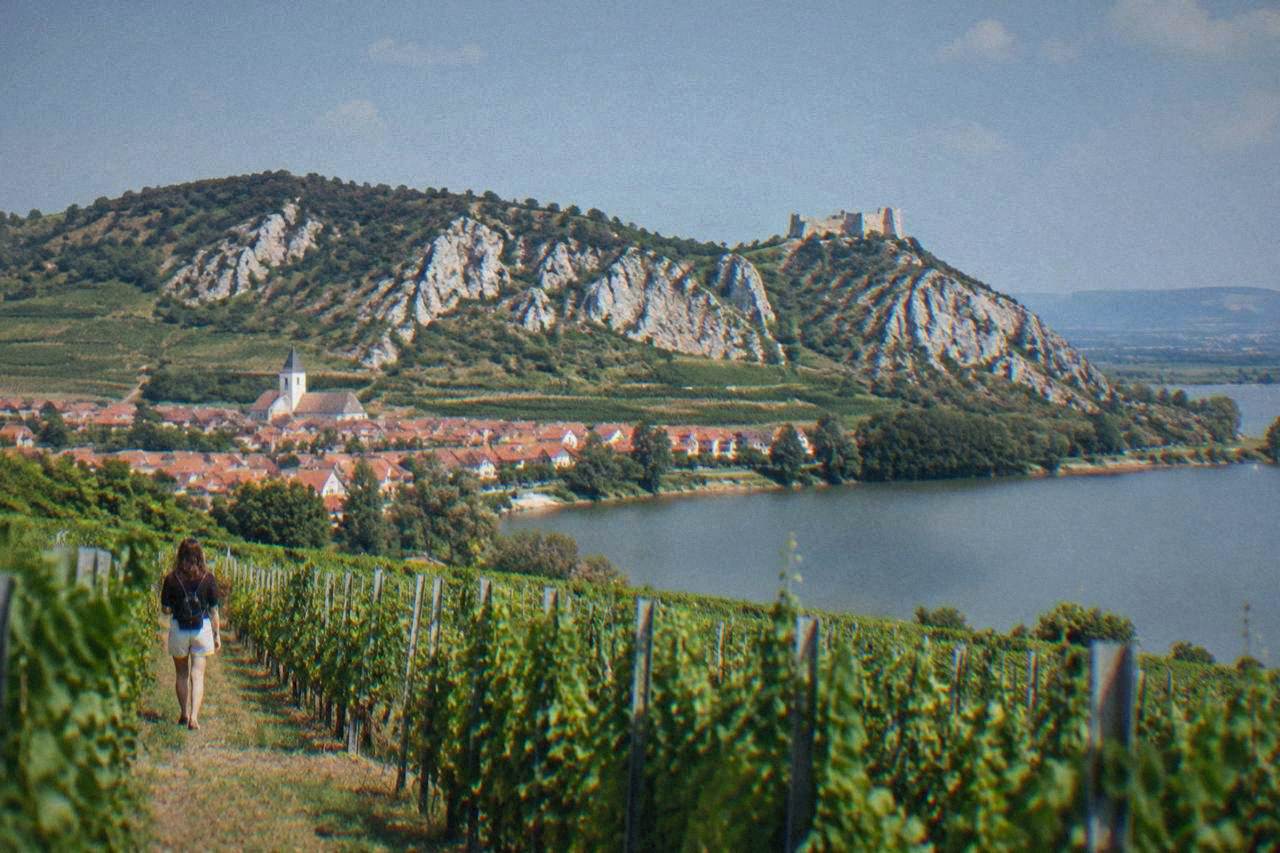
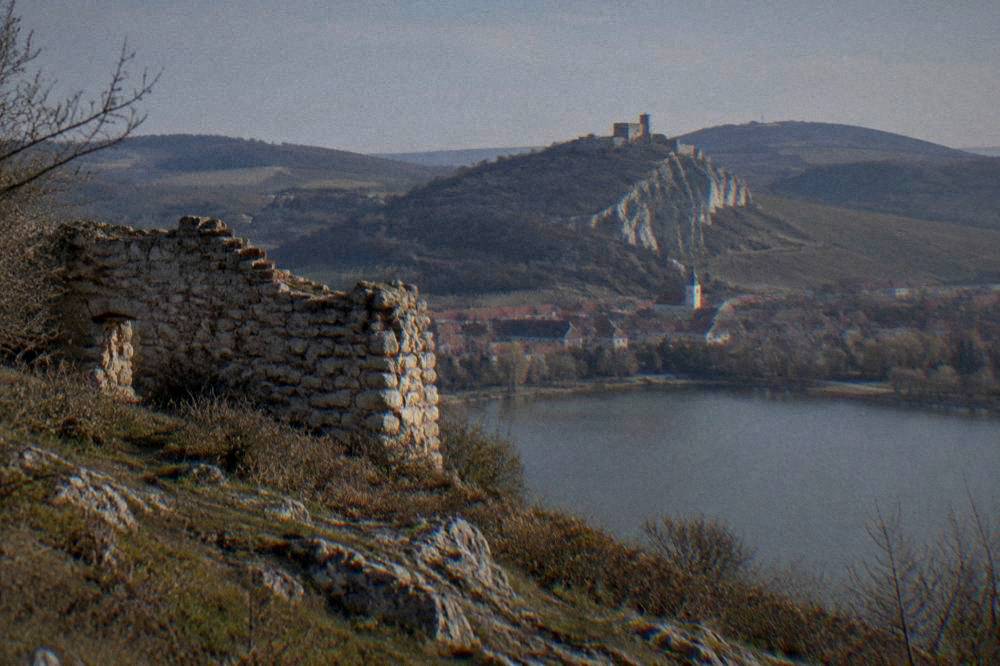
Pavlov is a wine village pressed against the limestone slope of the Pálava ridge, and Dolní Věstonice is the neighbouring village on the plain by the Nové Mlýny reservoirs, known for its archaeological past; the two sit a short walk apart under the ridge, and neither has the scale of a town, so a half day covers them at walking pace with the ridge above as the main draw.
The card licenses no interior details, museum prices or exhibition contents for either village, so this page stays with what it holds. Pavlov's role in the region is wine: the village is one of the recognised wine centres of the Pálava area, its cellars and terraced slopes part of the South Moravian wine country that runs from here through Mikulov to Lednice-Valtice. Dolní Věstonice lies below the ridge by the water, in an area whose prehistoric archaeology is the reason the site is internationally known among researchers. Specific excavation details, museum entry prices and opening hours are not in this page's constraints, so treat the village museums as check-locally items.
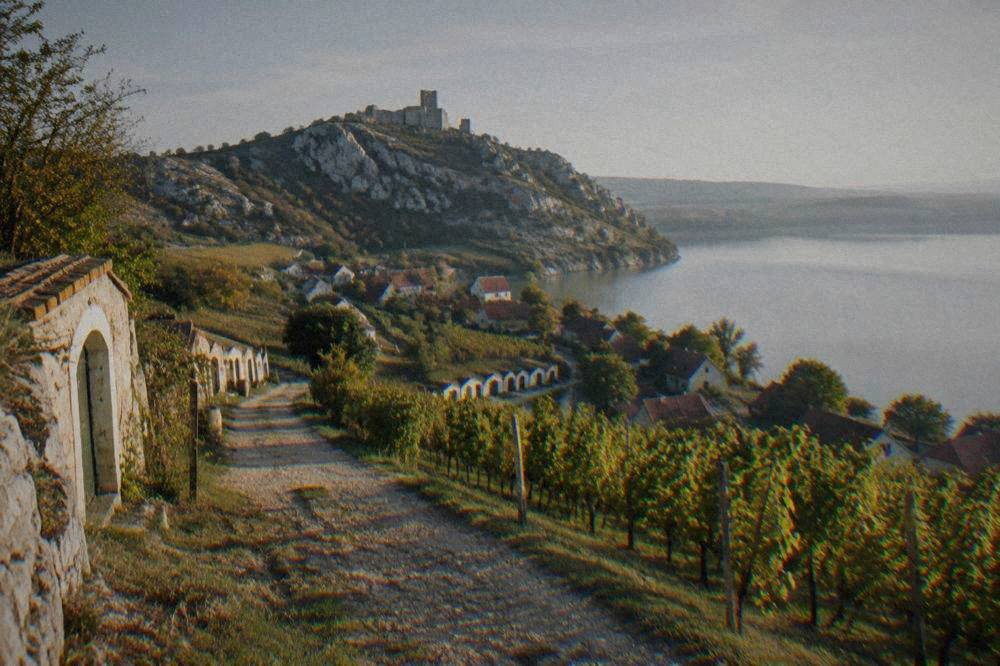
The ridge above the villages is the sight that brings day trippers out from Brno. The Pálava hills are limestone, bright in daylight, and the walking routes run along their top with the vineyard plain on one side and the reservoirs on the other. The research file gives no route lengths, ascent figures or walking times, and this page prints none. What can be said plainly is that the reserve's hiking is free, per the day-trip research, and that the villages below are the natural base for setting out.
Above Pavlov the slope carries the vineyards that give the area its wine reputation; grape varieties, vintages, producer names and tasting prices are outside this page's sourced facts, so the wine section below sticks to what is licensed. The Lednice-Valtice guide covers the other half of the wine landscape, the chateau park 10 km to the north.
How Do You Get From Brno To The Pálava Hills?
Trains and buses run from Brno to Mikulov in about 45 to 60 minutes, reported by the day-trip research, and the same corridor serves the Pálava villages on the Mikulov line; from Brno hlavní nádraží the whole wine belt is a single-ride trip, with the plain and the villages connected by local roads once you are off the train. Fares for the journey are not given.
The 45-to-60-minute figure for Brno to Mikulov is a reported approximation, rounded, and the card asks readers to confirm current timetables before travelling. The railway corridor south from Brno runs through the wine country toward the Austrian border, and Mikulov is the main town of the area, about 43 km from Brno in a straight line. For Pavlov and Dolní Věstonice the practical pattern is the same corridor with a local connection at the end; the card gives no specific bus lines or frequencies for the villages, so nothing is stated.
Within Brno itself, a 60-minute paper ticket costs 25 CZK, a 90-minute ticket 33 CZK, and the 24-hour Brno ticket covering zones 100 and 101 costs 90 CZK. Those get you to Brno hlavní nádraží, where the regional trains and the long-distance buses depart. RegioJet and FlixBus both serve the wider region from Brno, including connections onward toward Vienna and beyond, and both are options for the southbound wine corridor as well.
| Brno city ticket | Price (CZK) |
|---|---|
| 15 minutes, 2 zones | 20 |
| 60 minutes, 2 zones | 25 |
| 90 minutes, 3 zones | 33 |
| 24 hours, zones 100 + 101 | 90 |
| Day-trip destination from Brno | Straight-line distance | Journey time (reported) |
|---|---|---|
| Pálava hills | about 36 km | via Mikulov corridor, about 45 to 60 min |
| Mikulov | about 43 km | about 45 to 60 min |
| Lednice-Valtice | about 46 km | about 45 to 60 min by bus or train |
| Slavkov (Austerlitz) | about 20 km | about 20 to 30 min |
| Olomouc | about 64 km | about 1 h |
| Prague | about 186 km | Railjet 2 h 59 min |
The Railjet time to Prague, 2 hours 59 minutes, is included here to show the scale: Pálava is one of the closest of Brno's headline day trips, far nearer than the capital. The Brno train station guide neighbours on this site carry the long-distance detail; this page keeps to the southern corridor.
When Is The Best Time Of Year For The Pálava Ridge?
The warm months carry the Pálava year: the ERA5 reanalysis for Brno, 1991-2020, shows mean daily highs rising from 14.9 C in April to 25.0 C in July and back to 19.5 C in September, with the rainfall peak at 82.8 mm in July, so late spring and early autumn pair the warmest walking weather with less rain than midsummer. The wine harvest events of the region, including Brno's own Vinobraní, sit in late September and early October.
The climate figures are modelled normals from the ERA5 reanalysis, 1991-2020, for the Brno grid cell, and the Pálava hills lie in the same warm, dry corner of the country; the table below is the only climate source this page uses. July and August are the warm months, with mean highs of 25.0 and 24.9 C, but July also carries the year's highest monthly rainfall total at 82.8 mm. May, at a 19.2 C mean high and 65.8 mm of rain, and September, at 19.5 C and 64.2 mm, are the balanced months for ridge walking. Winter mean highs sit at 1.9 C in January, with the lowest mean low of the year at -3.8 C.
| Month | Mean high (C) | Mean low (C) | Rain (mm) |
|---|---|---|---|
| April | 14.9 | 4.5 | 40.4 |
| May | 19.2 | 9.6 | 65.8 |
| June | 22.9 | 13.3 | 74.8 |
| July | 25.0 | 15.3 | 82.8 |
| August | 24.9 | 15.2 | 67.6 |
| September | 19.5 | 10.8 | 64.2 |
| October | 13.6 | 6.3 | 43.5 |
Two dated anchors matter for the wine calendar. The burčák season, the period when the young fermenting wine is legally sold, runs 1 August to 30 November, a reported general rule for Czechia. And Brno's own Vinobraní wine festival ran 25 September to 3 October in 2026 on Náměstí Svobody, which places the region's wine high season squarely in early autumn. No 2027 dates for wine events are licensed on this page.
Which Walking Routes Cover The Ridge?
The ridge above Pavlov is walked from the villages below, with the reserve's hiking reported as free and no entry gate on the hill country; the research file for this page carries no route names, lengths, ascent figures or walking times for Pálava, so this page prints none and describes only the shape of the terrain: a limestone ridge with the vineyard plain on one side and the Nové Mlýny reservoirs on the other.
What the sources support is modest and worth saying clearly. The hills are a protected reserve, walking is the area's core activity, and the villages of Pavlov and Dolní Věstonice sit at the foot of the slope as the natural starting points. The ridge itself is low limestone, dry and grassy, the character that makes the area's wines and its steppe flora what they are. Beyond that, route detail belongs to the local trail markers and visitor information in Mikulov or Pavlov, and the honest move is to check there rather than carry a route description this page cannot source.
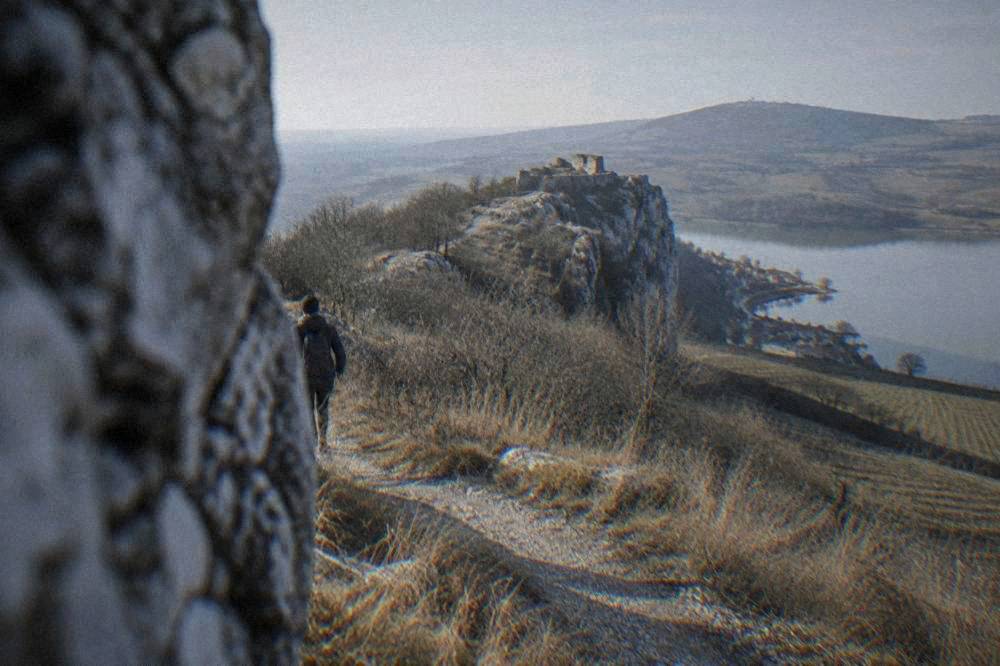
Footwear and water are the practical notes: July and August mean highs sit near 25 C, and the limestone slopes hold little shade, a fact of terrain rather than a claim about crowds. For walkers who want a structured day in the region instead, the guided options include a chateau-and-wine day trip whose live listing carries the current price and timing: Check availability. The site's review of that tour, covering the Lednice Chateau and the wine trails around it, sits alongside this guide.
What Does Wine Country Around Pálava Offer?
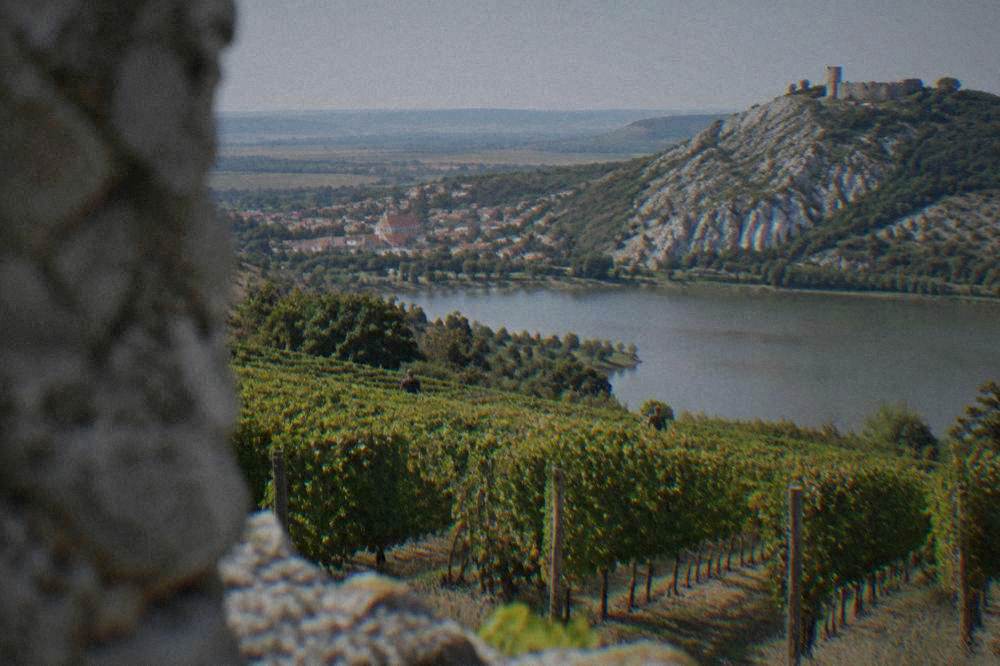
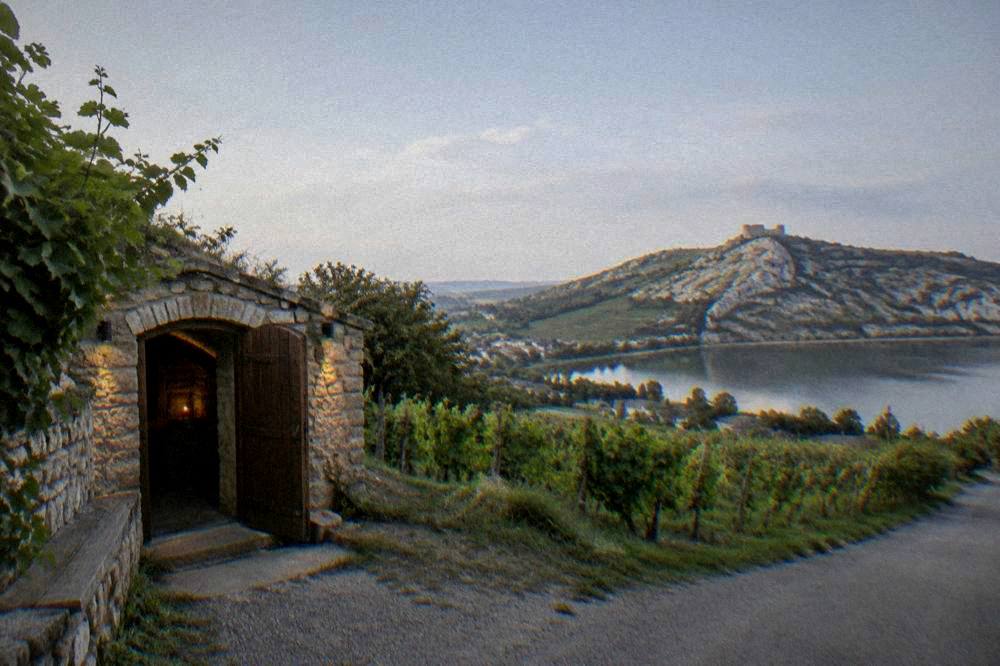
The wine belt from Pálava through Mikulov to Lednice-Valtice lies 35 to 46 km from Brno in a straight line, and its offer is cellars, vineyard villages and the two chateau landscapes of Lednice and Valtice; this page's sourced facts for wine specifics are limited to that geography plus the burčák window of 1 August to 30 November.
That last point is deliberate. Wine pages fill quickly with grape names and cellar recommendations that no source in this page's constraints supports, and the site's policy is to stay with the facts. The wine country hugs the Pálava hills and the Lednice-Valtice park, the whole belt sits within a day trip of Brno, and the Mikulov side of the hills is the region's wine town, with its castle above the rooftops. The Mikulov day-trip guide carries that side of the trip.
The Lednice side has the region's price list. The Lednice Chateau, run by the national heritage authority, charges 280 CZK for Tour I, the State Rooms, with a reduced ticket at 200 CZK; Tour II, the Private Apartments, is 220 / 160 CZK; a combined ticket is 420 / 300 CZK; the English audio guide is 50 CZK; the park is free. These are indicative prices from the chateau's own visitor site. Valtice, the second chateau of the UNESCO landscape, has its own official visitor site with tours and online booking; its current entry price is a check-at-booking item.
| Lednice Chateau ticket | Full (CZK) | Reduced (CZK) |
|---|---|---|
| Tour I, State Rooms | 280 | 200 |
| Tour II, Private Apartments | 220 | 160 |
| Combined ticket | 420 | 300 |
| English audio guide | 50 | 50 |
| Park entry | free | free |
For a guided version of the wine country, the tour roster includes a Wine Culture and UNESCO Gems day covering the Lednice-Valtice area and Mikulov, plus the Lednice Chateau trip featured below. Both run from Brno and both leave the driving to the operator.
For the chateau on its own, book a Lednice Chateau tour here.
What Else Combines Well With Pálava In One Day?
Mikulov, about 43 km from Brno, is the natural pair for Pálava, sitting on the far side of the hills with its castle and cellars; Lednice-Valtice, about 46 km, adds the chateau and the free park; and the whole triangle is compact enough that a single day can hold one ridge walk plus one town or chateau, which is the standard shape of a South Moravian wine-country day trip from Brno.
The pairing logic is geographic before it is anything else. Pavlov and Dolní Věstonice sit under the ridge; Mikulov is a short hop beyond; Lednice and Valtice lie north of the hills. The straight-line distances, 36, 43 and 46 km from Brno, mean the area behaves as one destination with three faces: hills, wine town, chateau park. Reported journey times of about 45 to 60 minutes by train or bus to Mikulov, and the same order for the Lednice corridor, put all three within a morning's travel of Brno hlavní nádraží.
Other price anchors in the wider region, for readers building a multi-day plan from Brno, include Pernštejn Castle to the north, whose basic tour is 260 CZK adult, 210 CZK for seniors and youth, and 80 CZK for children 6 to 17, with under-5s free; Pernštejn is seasonal, closed over winter 2025-26 and running weekend-only autumn hours, so its opening schedule is a check-before-going item. The Moravian Karst and its caves are covered in the site's Moravian Karst and Punkva Caves guides.
| Regional sight | Verified entry price (CZK) | Note |
|---|---|---|
| Lednice Chateau Tour I | 280 full / 200 reduced | indicative, chateau visitor site |
| Lednice Chateau combined | 420 / 300 | indicative |
| Lednice park | free | year-round grounds |
| Pernštejn basic tour | 260 / 210 / 80 | seasonal opening, check ahead |
| Mikulov castle | price not in verified set | check official site |
| Valtice Chateau | price not in verified set | online tickets on official site |
How Much Does A Pálava Day Trip Cost?
The sourced costs are few and firm: getting to Brno's station costs 25 to 33 CZK in city transport, the regional journey to Mikulov is reported at under an hour, hiking in the Pálava reserve is free per the day-trip research, and the region's entry prices run from free parkland at Lednice to 420 CZK for a combined chateau ticket, with Mikulov and Valtice prices to be checked at booking.
A do-it-yourself day therefore carries a small, legible cost structure. The city legs are priced exactly: 20, 25 or 33 CZK for paper tickets by duration, or 90 CZK for a 24-hour Brno ticket if the day starts and ends with several tram rides. The region's own currency is the Czech koruna throughout, since Czechia is in the EU and Schengen but not the eurozone. On the ground, the ridge walk costs nothing, and the paid items are the chateau and castle interiors, whose prices are tabled above.
Wine tasting is the line item this page cannot price: tasting fees, cellar visits and bottle prices are outside the sourced set, so the planning move is a range check on the spot in Pavlov or Mikulov. One Brno city-card fact is worth carrying for readers extending the trip backwards into the city: the Brnopas visitor card runs 370, 490 and 610 CZK for one, two and three days, and a Brnopas+ variant bundled with Villa Tugendhat entry exists at higher tiers, though Tugendhat is a Brno sight, not a Pálava one. The Villa Tugendhat tickets guide neighbour pages carry that detail.
Guided day trips reprice the day around a single operator figure, which the live listing carries; the constraint on this site is that product prices render from the operator's listing rather than from this page's prose. What can be described is coverage: the wine-country day trips from the roster visit the Lednice-Valtice area and Mikulov, and the chateau day trip centres on Lednice itself.
Should You Visit The Pálava Hills From Brno?
Yes, if the trip's purpose is landscape and wine country within an hour of the city: the ridge is about 36 km from Brno in a straight line, the walking costs nothing, the wine villages sit at its foot, and Mikulov and Lednice-Valtice complete a compact triangle; no, if the day demands interior sightseeing at every stop, because several of the region's entry prices and opening details are seasonal, and the ridge itself is the main event.
The honest framing is that Pálava is a walking-and-wine destination, not a museum corridor. Its strengths are the limestone ridge, the reservoir plain, the villages and the cellars, and its schedule risk is that the castle and chateau interiors run seasonal calendars, Pernštejn-style, that need checking before a fixed itinerary. Readers who want a structured version can take a guided wine-country day; readers who want the ridge alone can build it on a reported sub-hour train or bus ride and a pair of walking shoes.
The wider South Moravian set of day trips is covered across this site, from the Slavkov battlefield to the Telč and Třebíč UNESCO towns, and the Brno Travel Guide homepage holds the full index. Pálava's place in that set is simple: it is the closest thing Brno has to a warm, southern, vine-covered horizon, and the numbers above are what make the day work.
Common Questions About The Pálava Hills
How far are the Pálava hills from Brno?
About 36 km south of Brno in a straight line, with Mikulov about 43 km and Lednice-Valtice about 46 km. These are computed straight-line distances; no drive times are stated.
How long does it take to get from Brno to Mikulov or Pálava?
Trains and buses cover Brno to Mikulov in about 45 to 60 minutes, a reported approximation; confirm current timetables before travelling.
What is there to see in Pavlov and Dolní Věstonice?
Pavlov is a wine village under the limestone ridge, and Dolní Věstonice lies beside the Nové Mlýny reservoirs in an area known for its prehistoric archaeology. The ridge walk above both villages is the main draw, and hiking in the reserve is reported as free.
When is the best time to visit the Pálava hills?
May and September balance warmth and rain in the ERA5 reanalysis 1991-2020 normals, with mean highs of 19.2 and 19.5 C against July's rainfall peak of 82.8 mm. The burčák season runs 1 August to 30 November, and Brno's Vinobraní ran 25 September to 3 October in 2026.
What does entry cost in the Pálava region?
Hiking in the reserve is free per the reported research. The chateau prices are at Lednice: Tour I at 280 CZK full, Tour II at 220 CZK and a combined ticket at 420 CZK, with the park free. Mikulov and Valtice entry prices are check-at-booking items.
Can you combine Pálava with Mikulov and Lednice in one day?
Yes. The three sit roughly 7 to 10 km apart within the wine belt, all within a day trip of Brno, and a common plan is a ridge walk in the morning and a chateau or town in the afternoon.